Blog
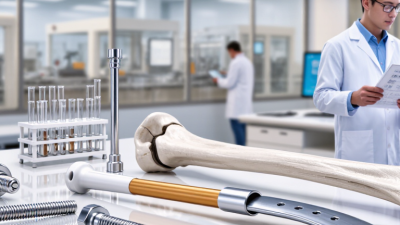
Who Are the Best Orthopedic Implant Manufacturers in China
Choosing among orthopedic implant manufacturers in China requires more than comparing product catalogs or factory size. An implant may look straightforward in a brochure, yet its design, material specifications, production controls, and clinical support all affect how it performs in practice. This guide explores who may deserve consideration and explains how to assess manufacturers using evidence rather than promotional claims.
A useful comparison examines the implant range, quality-management systems, product traceability, available clinical evidence, and regulatory documentation relevant to the intended market. Buyers should also consider whether a company can provide clear technical files, consistent communication, and dependable support after delivery. Ask specific questions. For example, request current certificates, product specifications, and information about manufacturing controls; then confirm details with qualified professionals and the relevant authorities. Requirements can differ by product and destination.
A high-profile brand is not automatically the right fit, and a lower price alone says little about long-term value. That matters. Company capabilities and product portfolios can change, so any shortlist should be checked against current records. No list stays perfect. This overview is intended as a starting point, not a substitute for clinical judgment, independent verification, or a careful review of each device’s intended use. The goal is a balanced view of orthopedic implant manufacturers in China, with practical criteria that help readers ask better questions and make more informed comparisons.
Read more »
 By:Clara
- November 5, 2026
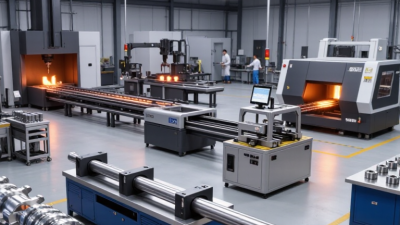
2026 Top Orthopedic Implant Factory Types for Global Buyers?
Choosing an orthopedic implant factory in 2026 means evaluating more than product catalogs. Global buyers may compare original equipment manufacturers, contract manufacturers, specialist machining facilities, and vertically integrated producers. Each type offers a different balance of design support, production capacity, customization, and supply-chain control. Some factories focus on titanium implants. Others handle stainless steel, precision instruments, or multiple production stages under one roof.
The distinction matters. An orthopedic implant factory may use CNC machining, forging, additive manufacturing, or a carefully managed combination. Buyers should examine documented quality systems, material traceability, process validation, and inspection records. Ask how the factory controls each step, from incoming metal stock to finished components. A polished showroom is not proof. Neither is a long client list. W. Edwards Deming, a leading manufacturing quality expert, wrote, “Quality comes not from inspection, but from improvement of the production process.” That principle applies directly to implant production, where small process variations can affect fit and consistency.
This guide compares factory types and the capabilities global buyers should assess before shortlisting suppliers. It also considers production scale, engineering collaboration, lead times, and communication across borders. Details matter. A factory suited to a high-volume implant line may not fit a low-volume, custom project. And no category guarantees a good partnership. Buyers still need to verify claims, review relevant documentation, and ask difficult questions. That takes time. Sometimes, the best choice is less obvious than expected.
Read more »
By:Clara
- October 31, 2026

How to Choose an Orthopedic Implant Company in 2026?
Choosing an orthopedic implant company in 2026 requires more than comparing product catalogs or polished conference booths. Hospitals and surgeons must examine evidence, manufacturing discipline, clinical support, and long-term accountability. A femoral stem may look impressive in a brochure, yet its real value appears years later, through survivorship data, revision rates, and patient function.
Dr. Daniel J. Berry, an internationally recognized orthopaedic surgeon and former president of The Hip Society, has emphasized a practical truth: “The best implant is the one that is right for the patient.” That principle should guide every evaluation. A reliable orthopedic implant company should explain which patients suit each design, not promise one solution for everyone.
Look for peer-reviewed studies, transparent clinical registries, and clearly documented outcomes. Ask how the company validates materials, sterilization, packaging, and lot traceability. Review its response process for complaints, recalls, and unexpected clinical findings. Training also matters. A well-designed implant can still fail when surgical technique, instrumentation, or follow-up support is inadequate.
Supply continuity deserves attention too. Hospitals need dependable delivery, replacement instruments, and responsive technical teams. Small details matter. Can the representative answer a surgeon’s question during a difficult case? Can the company provide complete documentation within hours, not weeks?
No supplier is perfect. That is worth admitting. Marketing language can simplify complicated evidence. Buyers should challenge attractive claims and request context. The strongest orthopedic implant company is not necessarily the largest or newest. It is the partner that combines measurable performance, honest communication, responsible innovation, and consistent patient-centered support.
Read more »
 By:Amelia
- October 26, 2026
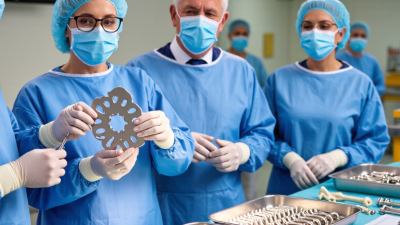
7 Tips to Choose an Orthopedic Device Manufacturer?
Choosing an orthopedic device manufacturer is not a simple purchasing decision. It can affect surgical consistency, patient safety, and long-term clinical results.
A reliable evaluation begins with evidence, not polished brochures. Examine the manufacturer’s quality system, engineering experience, material controls, and device traceability. Ask how design changes are reviewed and how production batches are documented. Certifications such as ISO 13485 may support confidence, but they should not end the investigation. Site audits, technical records, and customer references often reveal more.
Clinical suitability matters just as much. A manufacturer should understand anatomy, surgical workflow, sterilization requirements, and the practical demands of hospitals. Request validation data, risk-management documentation, and clear instructions for use. Review how complaints, adverse events, and product improvements are handled after delivery. Strong post-market support shows responsibility beyond the initial sale.
No supplier is perfect. Even experienced teams can communicate poorly or overlook a small detail. That is why structured questions and direct conversations matter. Consider lead times, customization limits, training, service responsiveness, and contingency planning. A low price may look attractive beside a detailed quotation, yet hidden delays can cost far more. This guide presents seven practical tips for assessing an orthopedic device manufacturer with professional judgment, documented evidence, and patient-focused care. Use the framework carefully. Your final decision should reflect clinical needs, operational reality, and the evidence available today.
Read more »
By:Amelia
- October 21, 2026
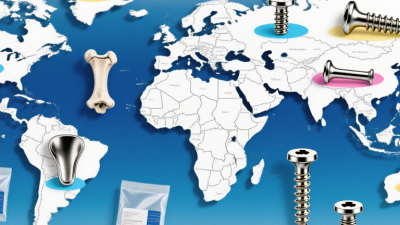
10 Best Orthopedic Implant Suppliers Worldwide
Choosing the right orthopedic implant supplier requires more than comparing catalog prices. Hospitals need evidence, traceable materials, dependable logistics, and responsive clinical support. Implant quality appears in small details: polished joint surfaces, secure packaging, clear lot numbers, and instruments that fit the surgeon’s hand.
Market estimates show why supplier selection matters. Grand View Research valued the global orthopedic implants market at approximately USD 48.6 billion in 2023. It projects continued growth through 2030, driven by aging populations, sports injuries, and expanding joint-replacement procedures. Fortune Business Insights reports different figures because its market scope and product categories differ. That difference deserves attention. Reports are useful, but they are not perfectly interchangeable.
Dr. Steven M. Kurtz, an orthopedic implant researcher and co-founder of the Implant Research Center, has said, “The implant is only one part of the reconstruction.” His observation remains practical. Surgical training, patient selection, sterilization, and follow-up also influence outcomes. Therefore, this guide examines ten leading orthopedic implant supplier companies worldwide through a broader lens. It considers product depth, regulatory maturity, research activity, manufacturing consistency, surgeon support, and post-market reliability. Public rankings can simplify a complex industry. They can also miss regional strengths or smaller specialists. Readers should verify current certifications, clinical evidence, recall histories, and local service capacity before making procurement decisions.
Read more »
By:Amelia
- October 16, 2026

China Top 10 Orthopedic Surgical Instrument Manufacturers
The global orthopedic surgical instruments market is expanding with hospital investment, aging populations, sports injuries, and demand for minimally invasive procedures. MarketsandMarkets estimates that the global orthopedic devices market could grow from approximately USD 47.8 billion in 2024 to USD 63.1 billion by 2029. Grand View Research also reports steady growth across orthopedic implants, surgical tools, and navigation systems.
The numbers deserve careful reading. Market reports often combine instruments, implants, robotics, and related services. Definitions differ. Still, the direction is clear. Surgeons need sharper cutting edges, dependable handles, ergonomic designs, and instruments that withstand repeated sterilization. A reliable orthopedic surgical instruments manufacturer must also demonstrate material traceability, quality controls, clinical feedback, and regulatory compliance. A polished catalog is not enough.
Stryker CEO Kevin Lobo has repeatedly connected innovation with better healthcare, reflecting the manufacturer’s stated mission: “Together with our customers, we are driven to make healthcare better.” That principle matters in orthopedic manufacturing. A slightly misaligned guide or poorly balanced retractor can affect a demanding procedure. Details matter.
This ranking examines China’s leading manufacturers through practical criteria, including product range, machining capability, quality management, export experience, customization, and after-sales support. Public data is incomplete, and some company claims are difficult to compare. That limitation should remain visible. Buyers should verify certifications, inspection records, sterilization compatibility, and surgeon references before choosing a supplier. The strongest manufacturers are not always the loudest. Sources include MarketsandMarkets, Orthopedic Devices Market—Global Forecast to 2029, and Grand View Research, Orthopedic Devices Market reports.
Read more »
 By:Ethan
- October 11, 2026
10 Best Orthopedic Implants and Instruments Suppliers?
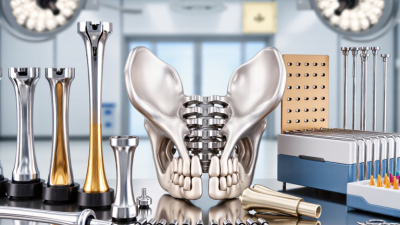
Choosing among the 10 Best Orthopedic Implants and Instruments Suppliers requires more than comparing product catalogs. Hospitals must examine clinical evidence, manufacturing consistency, surgeon feedback, and long-term patient outcomes. A polished website is not proof of dependable performance.
Orthopedic implants and instruments support demanding procedures, from trauma fixation to joint replacement. Their quality can affect alignment, stability, operating time, and rehabilitation. Experienced buyers therefore inspect material grades, sterilization controls, traceability systems, and technical support. They also ask practical questions. Can the supplier deliver matching instruments? Are replacement components available? Does the company respond quickly when a case changes?
Professor Sir John Charnley, a pioneer of modern hip replacement, famously emphasized, “The aim of surgery is to restore function.” That principle still matters. A supplier should serve the patient’s recovery, not merely promote a new device.
This guide evaluates leading suppliers through a clinical and operational lens. It considers innovation, regulatory discipline, surgeon training, distribution reach, and documented experience. However, no ranking can fit every hospital. A large manufacturer may offer reliable logistics, while a specialized company may provide more responsive engineering support. Both strengths deserve attention.
There is no perfect shortlist. Product availability and regional approval can change. Some public claims also require closer verification. Readers should confirm current certifications, published clinical data, and local procurement requirements before making a decision. The strongest choice is usually the supplier that combines credible evidence, consistent service, and clear accountability.
Read more »
By:Clara
- October 6, 2026
What Is an Orthopedic Implants Supplier?
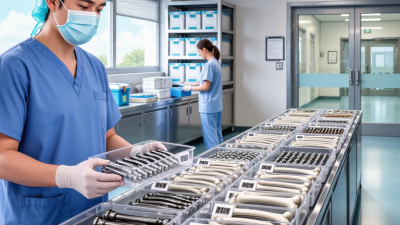
An orthopedic implants supplier provides devices and support used in procedures such as joint replacement and fracture repair. Its role reaches beyond shipping boxes. It may help hospitals source implants, maintain product records, and coordinate delivery with clinical teams. For a surgeon, the difference can be practical: the correct implant system, instruments, and sizes need to be available when scheduled. Small details matter. Clear labeling and traceable lot information help staff verify what arrived.
Choosing a supplier calls for more than comparing prices or reading a polished brochure. Healthcare quality expert and surgeon Atul Gawande wrote, “Better is possible. It does not take genius. It takes diligence. It takes moral clarity. It takes ingenuity. And above all, it takes a willingness to try.” His words are not specifically about suppliers, but they offer a useful lens for evaluating them. Ask how the supplier handles product documentation, staff training, delivery changes, and questions about compatibility. Check whether its claims are specific and verifiable. No supplier is flawless. That is worth remembering. A careful evaluation should also consider what happens when plans change, because real clinical workflows rarely follow a perfect script. Understanding these responsibilities makes it easier to see what an orthopedic implants supplier does—and what hospitals should reasonably expect from one.
Read more »
By:Amelia
- September 29, 2026
Who Are the Top Orthopedic Implant Manufacturers in China?
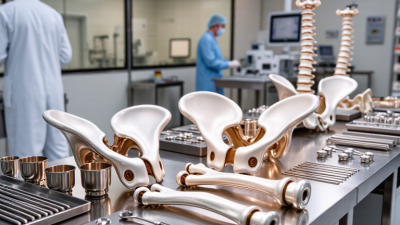
China’s orthopedic implant market includes manufacturers of hip and knee replacements, trauma plates, spinal systems, and surgical instruments. Comparing them takes more than scanning a product catalog. A polished implant is only the visible part. Behind it are material controls, machining tolerances, sterilization records, and evidence from clinical use.
Biomedical engineer Steven M. Kurtz, known for research on orthopedic biomaterials, offers a useful perspective through his work: implant performance should be assessed over time, not inferred from material claims alone. That principle helps frame any review of orthopedic implant manufacturers in China. Look for specific, verifiable information: product indications, quality-system certifications, traceability, clinical data, and the support available to surgeons and hospitals. Details matter. A certificate is not a substitute for outcome evidence, and a broad product range does not prove consistent quality. Company size and export reach can offer context, but neither guarantees clinical suitability.
This guide introduces notable Chinese manufacturers and the factors that distinguish their portfolios and capabilities. It is not a definitive ranking; public information varies, and product lines change. Some comparisons will remain imperfect. That is worth acknowledging. Readers should confirm current certifications and product details directly with manufacturers and assess devices against local clinical requirements. The aim is a clearer starting point, not a shortcut to a purchasing decision.
Read more »
By:Ethan
- September 29, 2026
Top 10 Orthopedic Implants Manufacturers for Global Buyers
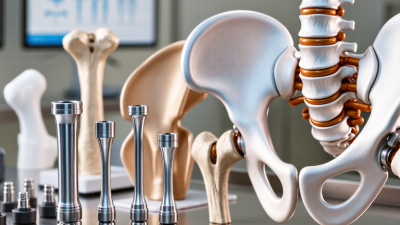
Choosing an orthopedic implants manufacturer is a clinical and supply decision, not just a price comparison. Buyers must weigh implant materials, design options, quality systems, clinical evidence, and dependable delivery. The details matter: a hip stem must match a patient’s anatomy, while a knee component must support stable movement and fit the surgeon’s technique.
Demand is substantial. The World Health Organization reports that about 1.71 billion people worldwide live with musculoskeletal conditions. Grand View Research estimated the global orthopedic implants market at approximately US$47.7 billion in 2023 and projected continued growth through 2030. These figures describe broad market estimates, not guaranteed sales or clinical outcomes. Still, they help explain why buyers face a crowded field of established brands and newer suppliers.
Evidence deserves close attention. Orthopedic surgeon and researcher Daniel J. Berry’s published work offers a practical reminder: outcomes depend on patient selection and surgical technique as well as implant design. That is a paraphrase, not a direct quotation. No implant fits every patient. This guide compares ten manufacturers through factors global buyers can investigate, including product portfolios, manufacturing capabilities, regulatory documentation, and support after purchase. Company claims should be checked against current product records and independent clinical evidence. A polished brochure is not proof. The right shortlist begins with the procedure, the patient population, and the evidence required by the purchasing team.
Read more »
By:Amelia
- September 29, 2026