0%

Choosing among the 10 Best Orthopedic Implants and Instruments Suppliers requires more than comparing product catalogs. Hospitals must examine clinical evidence, manufacturing consistency, surgeon feedback, and long-term patient outcomes. A polished website is not proof of dependable performance.

Orthopedic implants and instruments support demanding procedures, from trauma fixation to joint replacement. Their quality can affect alignment, stability, operating time, and rehabilitation. Experienced buyers therefore inspect material grades, sterilization controls, traceability systems, and technical support. They also ask practical questions. Can the supplier deliver matching instruments? Are replacement components available? Does the company respond quickly when a case changes?

Professor Sir John Charnley, a pioneer of modern hip replacement, famously emphasized, “The aim of surgery is to restore function.” That principle still matters. A supplier should serve the patient’s recovery, not merely promote a new device.

This guide evaluates leading suppliers through a clinical and operational lens. It considers innovation, regulatory discipline, surgeon training, distribution reach, and documented experience. However, no ranking can fit every hospital. A large manufacturer may offer reliable logistics, while a specialized company may provide more responsive engineering support. Both strengths deserve attention.

There is no perfect shortlist. Product availability and regional approval can change. Some public claims also require closer verification. Readers should confirm current certifications, published clinical data, and local procurement requirements before making a decision. The strongest choice is usually the supplier that combines credible evidence, consistent service, and clear accountability.
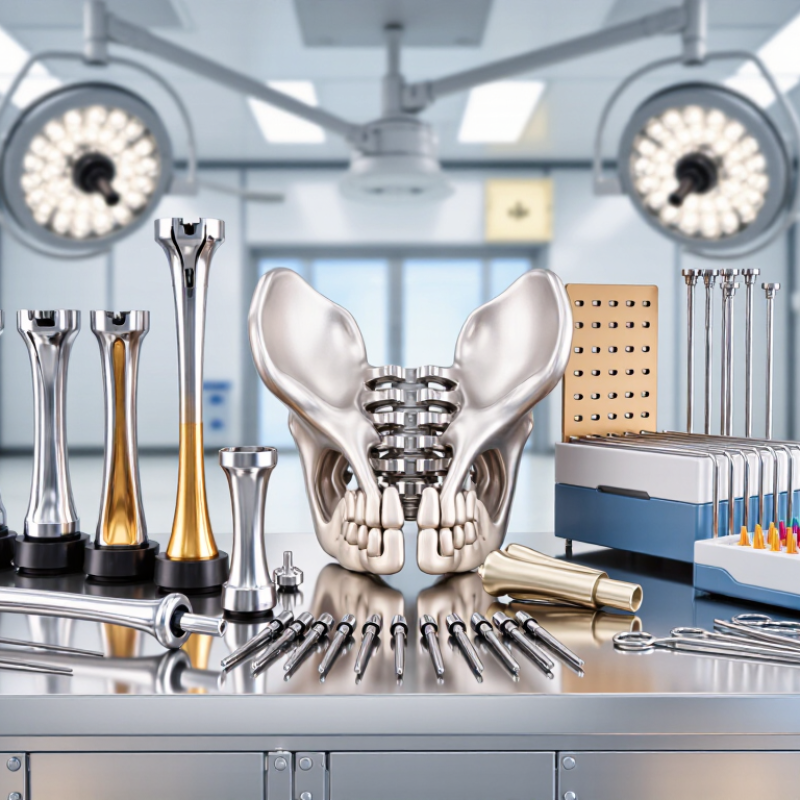
10 Best Orthopedic Implants and Instruments Suppliers?

What Are Orthopedic Implants and Instruments?

Orthopedic implants are medical devices placed inside the body to repair, support, or replace damaged bone and joints. Common examples include bone plates, screws, intramedullary nails, spinal cages, and joint replacement components. Instruments are the tools used to prepare bone and position these devices. They include drills, reamers, cutting guides, trial components, clamps, and depth gauges.

Materials often include titanium alloys, cobalt-chromium alloys, stainless steel, and medical-grade polymers. Each material has different strength, weight, wear, and imaging characteristics. The U.S. FDA classifies many orthopedic implants as medical devices requiring strict safety controls.

Fortune Business Insights estimated the global orthopedic implants market at about USD 43.12 billion in 2023. Its report projects growth to USD 61.19 billion by 2030. These figures show demand, but market size does not prove clinical quality. The distinction between advanced design and useful design can be blurry.

Tips: Evaluate suppliers through documented testing, traceability, sterilization records, and surgeon feedback. Confirm compatibility between implants and instruments before surgery. Review fatigue, corrosion, and wear data, not just promotional claims. ISO 10993 biocompatibility evidence also matters for patient-contacting materials. A technically impressive instrument may still feel awkward in a crowded operating field. That practical detail is easy to overlook. Product selection should consider anatomy, procedure type, training needs, and revision planning. Titanium is not automatically best, either.

How to Evaluate Orthopedic Suppliers and Their Product Quality

How to Evaluate Orthopedic Suppliers and Their Product Quality

Choosing among the 10 best orthopedic implant and instrument suppliers requires more than comparing catalogs. The World Health Organization estimates that 1.71 billion people live with musculoskeletal conditions worldwide. That demand increases pressure on suppliers, but volume should never replace quality. Request ISO 13485 certification, device-specific validation records, and evidence of regulatory clearance. Review material certificates, sterilization validation, and lot-level traceability. A missing document is a warning.

Clinical evidence matters more than polished sales presentations. The American Joint Replacement Registry’s 2024 Annual Report includes data from over 3.2 million hip and knee procedures, showing why long-term follow-up supports better purchasing decisions. Ask suppliers for revision rates, complaint trends, and documented corrective actions. Compare results by implant type, patient population, and follow-up period.

“Strong evidence only.”

Short-term claims can hide late failures.

Audit the factory when possible. Watch how workers label trays, inspect instruments, and separate nonconforming products. Test whether a supplier can identify one affected lot within minutes, not days. Review supplier continuity, training records, and response times for damaged instruments. Price still matters, especially for smaller hospitals, but a low bid may conceal training costs or replacement delays. I would also score communication, because even excellent products fail operationally when updates arrive late. No checklist is perfect. A practical audit should be repeated after complaints, design changes, or ownership changes.

Ten Leading Orthopedic Implants and Instruments Suppliers

Ten Leading Orthopedic Implants and Instruments Suppliers

Choosing among ten leading orthopedic implants and instruments suppliers requires more than comparing prices. Experienced surgeons often examine implant materials, instrument balance, sterilization compatibility, and reliable delivery records. The strongest suppliers usually provide trauma plates, joint replacement components, spinal systems, surgical drills, cutting guides, and fixation instruments. They also maintain clear product traceability and practical training for operating-room teams.

A dependable supplier should support its claims with clinical evidence, technical files, inspection reports, and responsive after-sales service. Hospital buyers may ask about titanium grades, cobalt-chromium composition, polymer performance, packaging integrity, and shelf-life controls. Instrument fit matters too. A slightly loose driver can slow a procedure and increase frustration. Some suppliers offer excellent products but weak documentation. That weakness should not be ignored.

Tips: Request sample instruments, review sterilization instructions, and check delivery performance over several months. Ask surgeons to test grip, visibility, and handling under simulated conditions. Compare warranty terms carefully. Local technical support can prevent avoidable delays. It is also wise to review adverse-event procedures and recall communication. No supplier is perfect, and early assumptions can be wrong. Procurement teams should record these findings before approving any orthopedic supplier.

10 Best Orthopedic Implants and Instruments Suppliers? - Ten Leading Orthopedic Implants and Instruments Suppliers

Comparison based on widely used orthopedic product categories, materials, quality systems, and regulatory requirements. Supplier identities and brands are intentionally omitted.
Rank Supplier Profile Primary Product Scope Common Implant Materials Instrument Categories Typical Quality Requirements Typical Clinical Applications Best-Fit Buyer
01 Profile A — Large Joint Reconstruction Specialist Primary hip and knee replacement systems, revision components, and fixation accessories Cobalt-chromium alloys, titanium alloys, ultra-high-molecular-weight polyethylene, and ceramic components Reamers, broaches, trial components, alignment guides, impactors, and extraction tools ISO 13485 quality management; biocompatibility evaluation under ISO 10993; sterilization validation where applicable Primary and revision total hip and total knee arthroplasty High-volume hospitals
02 Profile B — Trauma Fixation Specialist Fracture plates, intramedullary nails, screws, wires, and external fixation systems Titanium alloys and stainless steel commonly used for trauma fixation devices Drill guides, depth gauges, reduction forceps, screwdrivers, tapping tools, and targeting jigs Mechanical testing, dimensional inspection, corrosion considerations, and documented traceability Long-bone, periarticular, clavicle, ankle, wrist, and pelvic fracture treatment Trauma centers
03 Profile C — Spinal Implant Specialist Pedicle screw systems, interbody cages, rods, plates, and spinal fixation accessories Titanium alloys, polyether ether ketone, cobalt-chromium alloys, and stainless steel Rod benders, screwdrivers, taps, distractors, spreaders, and insertion instruments Fatigue and static testing, imaging compatibility assessment, material characterization, and design controls Spinal fusion, deformity correction, degenerative disease, and fracture stabilization Spine-focused practices
04 Profile D — Sports Medicine Specialist Soft-tissue anchors, interference screws, ligament fixation devices, and suture-based implants Titanium alloys, bioabsorbable polymers, polyether ether ketone, and medical-grade polymers Tibial and femoral guides, punches, cannulas, rasps, shavers, and arthroscopic instruments Pull-out strength testing, insertion-force evaluation, biocompatibility, and sterilization controls Anterior cruciate ligament reconstruction, rotator cuff repair, and shoulder stabilization Sports medicine clinics
05 Profile E — Hand and Small-Joint Specialist Miniature plates, hand screws, small-joint implants, wires, and fixation accessories Titanium alloys, stainless steel, cobalt-chromium alloys, and silicone elastomers for selected applications Mini-drivers, low-profile retractors, drill guides, bending tools, and precision measuring tools Small-component dimensional control, fatigue testing, surface-finish inspection, and material traceability Hand, wrist, finger, foot, and selected small-joint reconstruction procedures Specialty surgical units
06 Profile F — Custom and Patient-Specific Solutions Provider Custom implants, patient-specific cutting guides, complex revision components, and anatomical models Titanium alloys, cobalt-chromium alloys, and medical-grade polymers selected by design requirements Patient-specific guides, trial models, positioning instruments, and revision extraction tools Design verification, additive-manufacturing process control, dimensional validation, and device history records Complex trauma, oncology reconstruction, severe bone loss, and revision surgery Tertiary-care hospitals
07 Profile G — Minimally Invasive Instrumentation Specialist Cannulated implants, percutaneous fixation systems, guidewires, and minimally invasive access solutions Titanium alloys, stainless steel, cobalt-chromium alloys, and radiolucent polymer components Cannulated drills, guidewire systems, reduction instruments, targeting arms, and access cannulas Instrument durability, cleaning validation, compatibility testing, and ergonomic design verification Percutaneous trauma fixation and minimally invasive spinal procedures Minimally invasive programs
08 Profile H — Arthroscopy Instrumentation Specialist Arthroscopic implants, suture anchors, repair devices, and reusable surgical instruments Titanium alloys, polyether ether ketone, bioabsorbable polymers, and stainless steel Graspers, punches, cannulas, suture passers, probes, shavers, and arthroscopic trays Reusable-device cleaning and reprocessing instructions, corrosion testing, and functional-cycle testing Shoulder, knee, hip, ankle, and elbow arthroscopy Ambulatory surgery centers
09 Profile I — Dental and Maxillofacial Implant Specialist Maxillofacial plates, craniofacial fixation systems, dental implants, and bone-grafting accessories Titanium and titanium alloys, resorbable polymers, and selected ceramic materials Plate benders, cutting guides, implant drivers, surgical drills, and fixation screwdrivers Surface characterization, sterilization validation, biocompatibility assessment, and precise dimensional inspection Jaw reconstruction, facial fracture repair, cranial fixation, and dental implant procedures Oral and maxillofacial centers
10 Profile J — OEM and Contract Manufacturing Partner Private-label implants, precision-machined components, surgical instruments, and complete instrument sets Titanium alloys, stainless steel, cobalt-chromium alloys, aluminum, and engineering polymers Custom trays, cutting tools, trial instruments, drivers, guides, and sterilization containers ISO 13485 systems, process validation, supplier qualification, inspection records, and regulatory documentation support Multiple orthopedic specialties requiring customized or private-label solutions Device manufacturers

How the Suppliers Compare in Products, Technology, and Service

Comparing the 10 best orthopedic implant and instrument suppliers requires more than a catalog review. Product breadth matters: trauma plates, joint components, spinal systems, drills, guides, and reusable trays should match the hospital’s case mix. Experienced buyers inspect alloy specifications, surface treatments, size ranges, and instrument ergonomics. They also check whether trial components are clearly identified and whether packaging protects sterile barriers. A wide portfolio is useful, but excessive choice can slow training and increase inventory errors.

Technology separates capable suppliers from ordinary distributors. Look for digital planning support, patient-specific workflows, navigation compatibility, and instruments designed for accurate alignment. Manufacturing evidence matters too. Ask for material certificates, lot traceability, dimensional inspection records, and validated cleaning instructions. Some suppliers present impressive software but provide weak technical support. That gap appears during a difficult revision case. New technology is not automatically better; surgeons need evidence, training, and dependable backups.

Service often decides whether a supplier remains practical. Measure response times for urgent instrument requests, representative availability, loaner-set logistics, and replacement policies. Ask how quickly missing components can be located. Clear communication helps operating-room teams prepare without guesswork. Pricing deserves attention, yet the lowest quote may conceal training fees, delayed repairs, or limited stock. No supplier performs perfectly. A careful evaluation should record failures, not hide them, and revisit the score after real cases.

10 Best Orthopedic Implants and Instruments Suppliers: How Suppliers Compare in Products, Technology, and Service

This 100-point evaluation framework compares the factors commonly used when assessing orthopedic implant and instrument suppliers. Product breadth and regulatory quality receive the greatest weight, followed by technology integration, clinical evidence, instrument compatibility, and service capability.

The percentages represent assessment weights rather than company-specific scores, allowing suppliers to be compared consistently without displaying brand or company data.

What to Consider Before Choosing an Orthopedic Supplier

Choosing among orthopedic implant and instrument suppliers requires more than comparing catalogs or prices. Start by examining clinical experience, manufacturing controls, and documentation. A dependable supplier should provide material specifications, sterilization information, inspection records, and clear instructions for use. Traceability matters. Each implant should be linked to a production batch and quality record.

Ask how the supplier manages design changes, complaints, recalls, and delivery delays. Review evidence of compliance with applicable medical-device regulations, including a current quality-management certification where appropriate. Speak with surgeons, operating-room staff, and procurement teams who have used similar products. Their practical feedback may reveal handling issues that brochures never mention. Check instrument ergonomics, implant compatibility, sizing options, and staff training. A polished website proves little.

Tips: Request samples for controlled evaluation. Confirm lead times in writing. Compare total costs, not unit prices. Examine packaging closely. It should protect sterile barriers and remain easy to identify. Ask whether replacement instruments are available quickly. No checklist is perfect. Even experienced teams can overlook service response time or inconsistent inventory. Build a small trial process before making a long-term commitment. Document every concern, including minor fit problems or unclear labeling. These details can affect surgical workflow, patient safety, and future purchasing decisions.

FAQS

What should hospitals compare when reviewing orthopedic implant and instrument suppliers?

Compare materials, product range, instrument balance, documentation, delivery records, and technical support. Price alone can mislead.

Which products should a dependable supplier provide?

The portfolio may include trauma plates, joint components, spinal systems, drills, guides, and fixation instruments. Match products to real case needs.

How can buyers assess implant material quality?

Request alloy specifications, polymer data, surface-treatment details, material certificates, and lot traceability records. Ask for inspection evidence.

Why does instrument ergonomics matter during surgery?

Grip, visibility, and driver fit can affect workflow. A loose driver may slow the procedure. Small details matter.

What technical evidence should suppliers provide?

Request clinical evidence, technical files, inspection reports, validated cleaning instructions, and sterilization compatibility data. Impressive software is not enough.

How should hospitals test instruments before approval?

Request sample instruments and simulate procedures with surgeons. Check handling, alignment, tray organization, and clearly marked trial components. Real use reveals flaws.

How important are service and delivery performance?

Track urgent-response times, loaner-set logistics, repairs, replacements, and stock availability over several months. Delays become expensive quickly.

What mistakes should procurement teams avoid?

Do not hide failures or trust early assumptions. Record warranty limits, training costs, recall communication, and missing components. Our first score may be wrong.

Conclusion

This article provides a practical overview of orthopedic implants and instruments, explaining how they support bone repair, joint reconstruction, trauma treatment, and other orthopedic procedures. It outlines the main categories of products, including fixation devices, joint replacement components, surgical tools, and supporting systems. Readers will also learn how to evaluate suppliers by examining material quality, manufacturing precision, sterilization processes, regulatory compliance, product consistency, clinical support, and supply reliability.

The article then introduces ten leading types of orthopedic suppliers without focusing on specific brand names, comparing them according to product range, technical capabilities, innovation, customization options, service quality, and delivery performance. It concludes with key considerations for selecting a suitable supplier, such as clinical requirements, surgeon preferences, hospital budgets, training resources, after-sales support, and long-term cooperation potential. This guidance helps healthcare organizations make informed, safe, and practical purchasing decisions.

Clara

Clara

Clara is a professional marketing specialist with a strong understanding of the company’s products, their practical applications, and the needs of the customers they serve. She regularly contributes expert articles to the company website, sharing clear, useful insights on product features, industry......