Featured Medical Implants & Orthopedic Surgical Systems
Engineered from medical-grade Ti-6Al-4V ELI titanium alloy and implant-grade PEEK. Optimized for high-strain anatomical sites and compliant with rigorous global trauma standards.
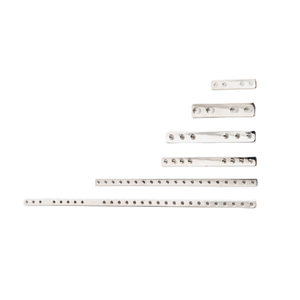
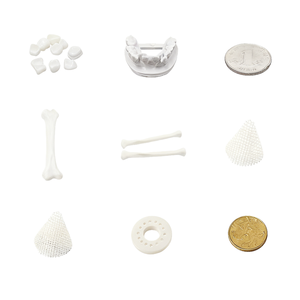
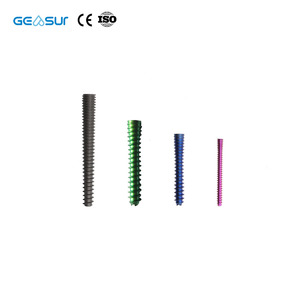
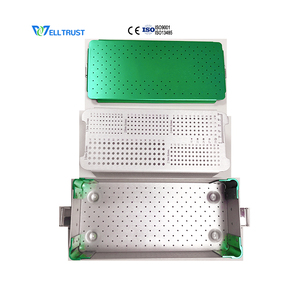
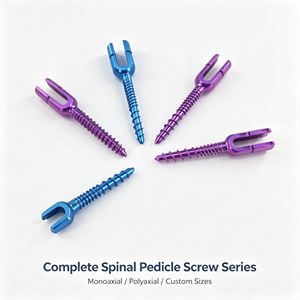
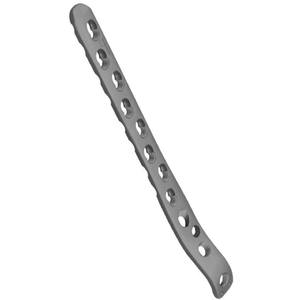
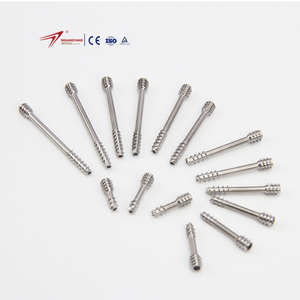
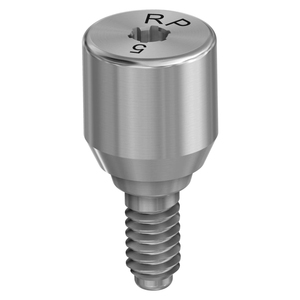
Engineering Mastery: Biomechanics of Variable Angle (VA) Polyaxial Locking Systems
In modern trauma reconstruction, fixed-angle mono-axial locking compression plates (LCP) often constrain surgical flexibility, particularly when addressing complex periarticular intra-articular fractures, osteoporotic bone beds, or revisions. As a premier China Variable Angle Locking Plate System Supplier & Exporter, our engineering architecture centers around advanced polyaxial locking technology. Unlike traditional mono-axial mechanisms restricted to a singular 90-degree insertion angle relative to the plate plane, our Variable Angle (VA) locking mechanisms empower orthopedic surgeons with a continuous ±15° trajectory cone (total 30° polyaxial freedom).
Technical Information Gain: Threaded Friction Lock vs. Standard Mono-Axial Coupling
Our Variable Angle Locking Plate System utilizes high-precision CNC multi-start micro-threads within the plate holes combined with cold-work hardened Ti-6Al-4V ELI (ASTM F136) locking screw heads. When driven off-axis, the specialized thread profile creates controlled plastic deformation along the plate-screw interface, yielding an uninterrupted rigid mechanical construct without compromising structural yield strength or pre-disposing the construct to micro-fretting corrosion.
Metallurgical Precision & Biocompatibility Standard
Orthopedic implants deployed in weight-bearing anatomical segments must withstand millions of micro-cyclical stress loads. We source certified raw materials: Extra Low Interstitial Titanium Alloy (Ti-6Al-4V ELI per ASTM F136) and Commercially Pure Titanium (CP-Ti Grade 4 per ASTM F67). The lower concentration of oxygen, nitrogen, and iron in ELI-grade titanium dramatically enhances fracture toughness and fatigue resistance, mitigating catastrophic implant failure in high-load trauma applications.
| Biomechanical Parameter | Standard Mono-Axial Locking Plates | Orthovana Variable Angle (VA) Locking System |
|---|---|---|
| Screw Insertion Freedom | Fixed 90° Vector Only | Continuous 30° Polyaxial Cone (±15°) |
| Articular Surface Avoidance | High risk of intra-articular screw penetration | Surgeon can adjust trajectory around subchondral bone |
| Primary Material Grade | Standard Ti-6Al-4V / 316L Stainless | Ultra-Pure Ti-6Al-4V ELI (ASTM F136) + Type II Anodization |
| Construct Stiffness in Osteopenic Bone | Rigid fixed point; risk of pull-out | Multi-directional converging/diverging anchor vectors |
| Plate Contour Adaptation | Requires extensive intra-operative bending | Anatomically pre-contoured; low-profile smooth edges |
Localized Application Scenarios Across South Africa's Trauma Sector
South Africa presents a unique orthopedic healthcare environment characterized by a high volume of complex trauma cases. From high-velocity road traffic accidents (RTAs) along major transport corridors (such as the N1, N3, and N2 highways) to industrial trauma in mining sectors (Gauteng, North West, Limpopo) and high-density urban emergency departments, the demand for versatile trauma hardware is critical.
Public Healthcare Tenders (NDoH & Provincial Health)
Public sector tertiary centers such as Chris Hani Baragwanath Academic Hospital (Johannesburg), Groote Schuur Hospital (Cape Town), and King Edward VIII Hospital (Durban) process extraordinary volumes of complex acute fractures. Public hospital procurement requires cost-efficient, robustly certified trauma systems supplied with durable, color-coded, modular surgical instrument sets that minimize operating room turnover times and reduce sterilization overhead.
Private Healthcare Networks (Netcare, Mediclinic, Life Healthcare)
Private hospital networks and independent orthopedic specialists demand premium anatomical contouring, low-profile implant design to avoid soft-tissue irritation, and versatile fixation options for reconstructive procedures, periarticular distal radius, proximal humerus, distal femur, and complex tibial plateau fractures. Our VA locking plate systems give private hospital surgeons the precision handling expected of Tier-1 global brands at competitive manufacturer-direct pricing.
Key Clinical Indications for SA Trauma Surgeons
Distal Radius VA Fixation
Polyaxial screws allow target placement into small styloid fragments while steering clear of the radiocarpal joint space.
Proximal Humerus Philos-Type
Diverging screw patterns capture osteoporotic humeral head bone stock, offering superior resistance against varus collapse.
Complex Distal Femur & Tibia
Combines dynamic compression slots with variable-angle locking holes for anatomical bridge plating in comminuted shaft fractures.
South African Orthopedic Market Trends & Regulatory Landscape (2025–2030)
Navigating the South African medical device market demands absolute compliance with the South African Health Products Regulatory Authority (SAHPRA) under the Medicines and Related Substances Act (Act 101 of 1965). As an experienced exporter serving South African medical distributors, we align our manufacturing technical documentation with global regulatory frameworks.
Strategic SAHPRA Licensing & Technical File Alignment
All Class C and D high-risk orthopedic implants require robust Technical Construction Files (TCF) formatted to STED guidelines. We supply our South African distribution partners with full regulatory dossiers, including ISO 13485:2016 audit reports, CE compliance certificates, raw material mill certificates (heat lot traceability), biocompatibility testing (ISO 10993 series), and validated steam sterilization protocols (ISO 17665).
Major Macro Trends Shaping South African Procurement
Why Partner With Us: Direct China Manufacturer Strengths
Operating advanced manufacturing facilities equipped with 5-axis Swiss-type CNC automatic lathes, DMG MORI machining centers, and automated wire EDM systems, our enterprise delivers sub-micron precision for medical hardware worldwide.
Rigorous Quality Assurance
Every production batch undergoes 100% optical CMM measurement, torque-to-failure testing, and dynamic fatigue testing according to ASTM F382 standards.
Custom OEM / ODM Flexibility
From laser-etching local South African brand logos and custom SKU batch codes to tailored tray layouts and private-label packaging.
Supply Chain Reliability
We maintain safety stock of medical-grade titanium bars and standardized plate blanks, enabling rapid order fulfillment for bulk tender requirements.
Frequently Asked Questions for South African Importers & Procurement Teams
Clear answers regarding SAHPRA compliance, logistics, minimum order volumes, and custom manufacturing.
Partner with China's Premier Orthopedic Implant Exporter
Expand your South African orthopedic portfolio with SAHPRA-ready, high-precision Variable Angle Locking Systems. Contact our international export department today for catalogs, technical files, and factory-direct wholesale pricing.