Featured Certified Surgical Implants for Export
Every medical device is manufactured from medical-grade titanium (Ti-6Al-4V ELI / CP Titanium) and implant-grade PEEK, complete with Certificate of Free Sale (FSC) documentation for COFEPRIS registration in Mexico.
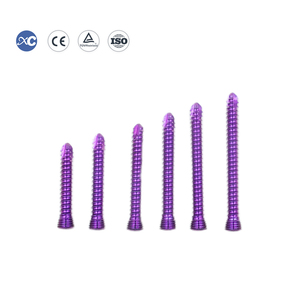
XC MEDICO Veterinary Orthopedic Implants 2.7mm AO Locking Screw Implant Orthopedic Implant
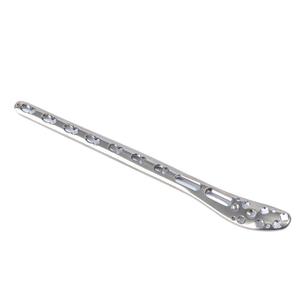
Cnc Custom Medical Titanium Implants Veterinary Orthopedic Hip Implant Cnc Services
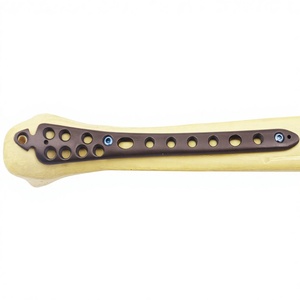
Orthopedic Titanium Trauma Implant Distal Tibial Medial Locking Plate Bone Fracture Internal Fixation Medical CE ISO Certified
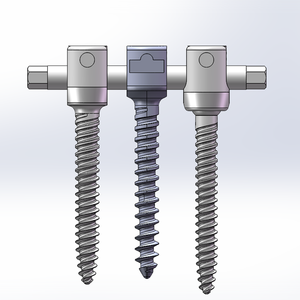
High Quality New Generation Titanium CoxII Orthopedic Surgery Implant Factory Direct Sales Spinal Nail Implants Interventional
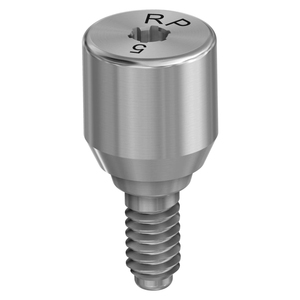
Custom Prosthetic Abutment OEM Internal Hex Conical Morse Taper Compatible Implant Titanium CNC Dental Laboratory Factory
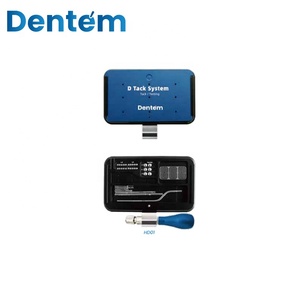
Dentem D Tack System GBR Kit Guided Bone Regeneration Titanium Screw Dental Implant Kit Reusable Surgical Tool Instrument
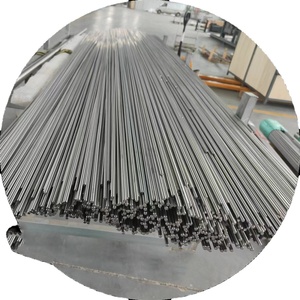
Titanium bar Grade 5 Eli Orthopedic Implants 3mm 4mm 5mm Dental Surgical Implant Price Per kg
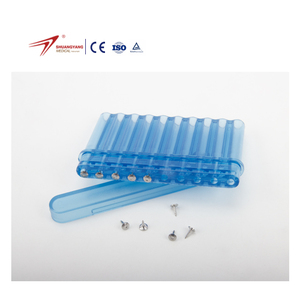
Shuangyang Orthopedic Implant Titanium Alloy Screw Gbr Membrane Bone Tack System Dental Hospital Use CEISO Certified 1 Year
Why Top Mexican Medical Importers Partner With Us
We bridge the gap between high-precision Chinese medical manufacturing and strict Mexican regulatory demands, providing full Certificate of Free Sale (CFS) verification and complete technical dossiers.
Full Certificate of Free Sale (FSC) & Regulatory Dossier Packaging
In accordance with Mexican COFEPRIS (Comisión Federal para la Protección contra Riesgos Sanitarios) requirements, medical devices imported into Mexico require valid legal proof of market authorization in their country of origin. We issue authentic Certificate of Free Sale (CFS) issued by the National Medical Products Administration (NMPA) and verified by China Council for the Promotion of International Trade (CCPIT), legalized via Hague Apostille or the Mexican Embassy in China.
Biocompatible Materials Science
All surgical trauma plates, bone screws, pedicle screw systems, and dental abutments are crafted from implant-grade Titanium Ti-6Al-4V ELI (ASTM F136), Commercially Pure Titanium (ASTM F67), and Radiopaque PEEK-OPTIMA. Excellent fatigue resistance and zero cytotoxic reactivity for human and veterinary applications.
5-Axis CNC Precision Machining
Utilizing high-end DMG MORI and Swiss-type Citizen multi-axis CNC machines, we ensure micro-level dimensional stability across complex variable-angle locking threads, Morse taper dental interfaces, and low-profile CMF anatomical contours.
Surgery-Ready Instrument Kits
Our trauma and spinal fixation ranges ship with standardized, color-coded stainless steel instrument trays, ergonomic quick-coupling drivers, depth gauges, and autoclavable aluminum sterilization cases designed for direct operating theatre deployment.
Direct Shipping to Mexico Ports
Experienced in logistics pathways to Mexico City (MEX), Guadalajara (GDL), Monterrey (MTY), and maritime freight to Manzanillo or Veracruz. Full customs declaration compliance under HS Code Chapter 9021 (Orthopedic Appliances and Surgical Implants).
Executive Overview: The Strategic Imperative of FSC-Certified Medical Devices for Mexico
As the second-largest healthcare market in Latin America, Mexico represents a dynamic and expanding landscape for medical device distribution, private hospital chains, and public sector tenders managed by IMSS (Instituto Mexicano del Seguro Social), ISSSTE, and PEMEX Healthcare Services. However, entering and operating within Mexico’s healthcare framework requires strict adherence to regulatory protocols overseen by the Comisión Federal para la Protección contra Riesgos Sanitarios (COFEPRIS).
A primary bottleneck for Mexican medical device importers, distributors, and procurement groups is securing valid regulatory documentation from overseas manufacturers. Chief among these mandatory documents is the Certificate of Free Sale (CFS / Certificate of Free Sale), which serves as formal evidence that the medical device is legally manufactured, registered, and authorized for unrestricted distribution in its country of origin.
As a leading Chinese medical device manufacturer and exporter specializing in orthopedic trauma locking plates, titanium bone screws, spinal fixation systems, craniomaxillofacial (CMF) mini-plates, and dental implantology systems, our facility operates under a rigorous ISO 13485:2016 quality management ecosystem. We provide Mexican partners with NMPA-approved Certificates of Free Sale, legalized through CCPIT authentication and Hague Apostille protocols, ensuring a smooth registration path with COFEPRIS and guaranteeing uncompromised clinical performance across Mexican public and private healthcare institutions.
COFEPRIS Regulatory Ecosystem & Certificate of Free Sale (FSC) Demystified
Navigating medical device import clearance in Mexico requires a thorough understanding of the COFEPRIS classification spectrum. According to the General Health Law Guidelines (Ley General de Salud) of Mexico, medical devices are categorized into three primary risk classes:
- Class I Medical Devices: Low-risk products, including manual surgical instruments, basic external fixation components, and non-invasive diagnostic tools.
- Class II Medical Devices: Moderate-risk devices that contact the human body internally or long-term, including titanium trauma locking plates, cannulated compression screws, GBR bone tack kits, and veterinary orthopedic implants.
- Class III Medical Devices: High-risk implantable devices intended for permanent anatomical structural support or life-sustaining functions, such as spinal pedicle screw systems, interbody fusion PEEK cages, cervical plates, and structural hip joint replacement prostheses.
| Device Category | COFEPRIS Class | Core Material Standard | Mandatory Export Certificates |
|---|---|---|---|
| Orthopedic Trauma Locking Plates & Screws | Class II / Class III | Ti-6Al-4V ELI (ASTM F136) / CP Ti Grade 4 | ISO 13485, NMPA FSC, CCPIT Legalization, Test Report |
| Spine Solution (Pedicle Screws, PEEK Cages) | Class III | Titanium Grade 5 ELI / Radiopaque PEEK | ISO 13485, NMPA Class III FSC, Full Biocompatibility Pack |
| Craniomaxillofacial (CMF) Plating Systems | Class II | Pure Titanium (ASTM F67) | ISO 13485, NMPA FSC, Hague Apostille Verification |
| Dental Implants & GBR Bone Tack Kits | Class II / Class III | Ti-6Al-4V ELI / Surgical Stainless Steel | ISO 13485, FSC, Material Mill Certificates, Sterilization Protocol |
Why the Chinese Certificate of Free Sale (CFS) is Critical for Mexican Registration
Mexican law dictates that foreign-manufactured medical devices must undergo equivalence evaluation or traditional dossier review before a Registro Sanitario (Sanitary Registration) is granted. COFEPRIS assessors scrutinize the Certificate of Free Sale to verify that the exporting factory is not merely a trading company or an unregulated toll-manufacturer, but a genuine certified production facility subject to national health authority surveillance.
Our export documentation package provided to Mexican buyers includes:
- NMPA Issued Certificate of Free Sale (CFS): Certified by China’s state authority, confirming that our orthopedic and dental devices meet national medical device manufacturing standards (GMP).
- CCPIT Chamber of Commerce Authentication: Verifying the legal standing and signature authenticity of the factory documents.
- Hague Apostille / Consular Legalization: Certified for immediate submission to COFEPRIS without administrative rejection risks.
- Complete Technical Dossier (STED Format): Including mechanical fatigue testing reports (ASTM F382 for bone plates, ASTM F543 for bone screws, ASTM F1717 for spinal constructs), biocompatibility reports (ISO 10993 series), and cleanroom validation certificates (ISO 14644 Class 7).
Materials Engineering & Manufacturing Mastery: Metallurgy Behind Surgical Performance
Surgical implants must withstand demanding bio-mechanical stress inside the human body. In trauma surgery, bone plates experience cyclic bending loads; in spinal fusion, pedicle screws bear compressive and torsional loads; in dental bone augmentation, GBR tacks must maintain rigid membrane stability against soft tissue tension.
1. Medical-Grade Titanium Alloys (ASTM F136 Ti-6Al-4V ELI)
Titanium Alloy Grade 5 Extra Low Interstitial (ELI) is the gold standard for structural orthopedic trauma and spine implants. The controlled interstitial elements (oxygen, nitrogen, hydrogen, and iron) significantly enhance fracture toughness and fatigue resistance compared to standard industrial grade titanium. With a tensile strength exceeding 860 MPa and an elastic modulus closer to human cortical bone than stainless steel, Ti-6Al-4V ELI minimizes stress shielding, accelerating bone healing and osseointegration.
2. Commercially Pure Titanium (ASTM F67 Grade 4)
For craniomaxillofacial (CMF) mini-plates and delicate hand/wrist trauma systems, malleable contouring is paramount. ASTM F67 Grade 4 pure titanium offers optimal ductility, allowing surgeons to bend and shape plates intra-operatively to match complex craniofacial or distal radius anatomy without inducing micro-cracks or material fatigue failure.
3. Polyether Ether Ketone (PEEK-OPTIMA) in Spine Interbody Cages
Our spinal interbody fusion cages (TLIF, PLIF, and Cervical cages) are machined from implant-grade PEEK. PEEK possesses an elastic modulus (~3.6 GPa) closely matching human cancellous and subchondral bone, reducing the risk of cage subsidence into adjacent vertebral endplates. Furthermore, PEEK is radiolucent, allowing orthopedic surgeons in Mexico to monitor fusion progress clearly via postoperative X-ray and CT imaging without metallic artifact distortion. Embedded radiopaque tantalum markers provide precise intra-operative positioning guidance under fluoroscopy.
Localized Application Scenarios Across Mexican Healthcare Infrastructure
Understanding the clinical application scenarios across Mexico’s distinct healthcare delivery tiers allows us to supply customized product portfolios for specific institutional demands.
Public Hospital Networks: IMSS, ISSSTE, and Regional General Hospitals
Public sector healthcare providers in Mexico treat high volumes of acute trauma cases resulting from motor vehicle collisions, industrial accidents, and severe fall injuries. Key clinical demands in public facilities include:
- Distal Tibia & Femoral Locking Compression Plates: High-strength trauma systems capable of spanning complex comminuted fractures. Anatomically pre-contoured profiles reduce intra-operative bending time in high-turnover operating rooms.
- Pedicle Screw Fixation for Thoracolumbar Trauma: Standardized top-loading pedicle screw systems featuring polyaxial and monoaxial configurations with robust rod-locking mechanisms to streamline emergency spine stabilization.
- Cost-Effective Cannulated Screw Systems: 3.5mm, 4.5mm, and 6.5mm titanium cannulated screws for femoral neck fracture fixation and ankle joint fusion procedures.
Private Hospital Chains: Grupo Ángeles, Médica Sur, Christus Muguerza, and Star Médica
Private hospital networks in Mexico City, Guadalajara, Monterrey, and Puebla prioritize premium aesthetic surgical outcomes, minimal incision morbidity, and advanced minimally invasive surgery (MIS) options. Preferred systems include:
- Low-Profile Craniomaxillofacial (CMF) Systems: Ultra-low profile 1.5mm / 2.0mm mini-plates with smooth rounded countersunk screw holes designed for midface reconstruction, orthognathic surgery, and facial trauma restoration without palpable hardware under the skin.
- Guided Bone Regeneration (GBR) Tack Kits & Dental Abutments: High-precision Morse taper internal hex titanium abutments and reusable surgical GBR tack driver kits for advanced periodontics and implantology clinics in Mexico's major metropolitan hubs.
- Variable Angle Locking Plates (Hand & Wrist): Multi-directional locking capabilities allow surgeons to target specific small fracture fragments in distal radius intra-articular procedures.
Veterinary Surgical Centers & Orthopedic Specialty Clinics
The veterinary surgical sector in Mexico has experienced rapid growth, particularly in urban centers. Veterinary surgeons demand specialized AO-standard 1.5mm, 2.0mm, 2.7mm, and 3.5mm locking plate systems and custom CNC hip implants designed specifically for canine and feline orthopedic reconstruction, ACL repair (TPLO/TTA procedures), and fracture fixation.
Localized Development Trends & Market Outlook in Mexico (2025–2030)
The Mexican medical device market is undergoing significant structural changes, driven by economic, demographic, and geopolitical factors:
1. Acceleration of Nearshoring & Local Distribution Hubs
With global supply chains shifting toward nearshoring, northern Mexican industrial states such as Nuevo León, Baja California, and Chihuahua are becoming key logistics and manufacturing corridors. Mexican medical importers are establishing regional distribution hubs to serve both domestic hospitals and cross-border medical tourism centers in Tijuana and Juárez. Reliable Chinese manufacturing partners who offer stable lead times and volume production are critical to keeping these distribution pipelines filled.
2. Rise of Private Label & OEM Branding in Latin America
Leading Mexican medical device distributors are increasingly seeking to establish their own proprietary brands to capture higher market margin and build brand equity. Through our flexible OEM/ODM manufacturing services, we provide custom laser marking (distributor logo, lot numbers, Matrix UDI codes), customized sterile packaging design, and tailor-made surgical instrument trays aligned with the distributor's market positioning.
3. High Demand for Cost-Efficient High-Quality Alternatives
Historically dominated by expensive US and European brands, Mexican procurement committees are actively transitioning toward high-quality, ISO-certified Chinese medical device manufacturers who offer identical raw material specifications (ASTM F136 Titanium) and equivalent manufacturing tolerances at significantly more competitive price points. This transition allows Mexican health systems to expand surgical capacity while maintaining strict patient safety standards.
Comprehensive FAQ for Mexican Medical Device Procurement Officers
To assist procurement managers, regulatory directors, and medical importers in Mexico, we have addressed the most common inquiries regarding import procedures, quality verification, and legal certification.
Corporate Strengths: Quality Assurance & Traceability Infrastructure
Quality management at our manufacturing plant is anchored by zero-defect philosophy and continuous process monitoring. From raw material intake to final cleanroom packaging, every surgical component undergoes comprehensive inspection protocols:
- Raw Material Gate Control: Spectrometric material composition verification and ultra-sonic flaw detection on every titanium bar batch before CNC machining begins.
- In-Process Dimensional Inspection: Optical coordinate measuring machines (CMM) and video measuring systems audit critical thread pitch, locking taper angles, and plate thickness tolerances every hour during production runs.
- Surface Finishing & Anodization: Electrochemical surface anodization provides color-coded sizing identification (e.g., gold, blue, green, magenta) for rapid surgeon identification while enhancing surface corrosion resistance.
- Batch Traceability System: A strict 100% batch traceability system links every single bone screw or plate back to its specific raw material heat number, machine operator log, inspection report, and sterilization lot.
By pairing world-class CNC precision engineering with complete regulatory compliance documentation (ISO 13485 + Certificate of Free Sale), we stand as the ideal manufacturing partner for Mexican medical device distributors, procurement agencies, and healthcare providers seeking to elevate their market presence across Latin America.
Partner With China's Premier Medical Device Exporter to Mexico
Expand your product catalog with certified trauma, spine, CMF, and dental surgical solutions. Contact our Latin American export team today for complete product catalogs, FSC regulatory dossier samples, and factory-direct quotation sheets.