Direct Export Implants & Specialized Instrumentation
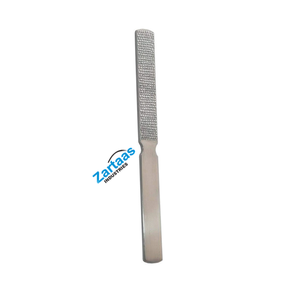
Stainless Steel Bone File and Raspatories 20mm 22cm Orthopedic Instruments Grade CE Certified Class I Surgical Instruments
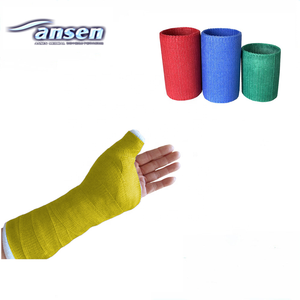
OEM Service Hospital Consumable Orthopedic Fiberglass Cast Medical Distributors Wanted
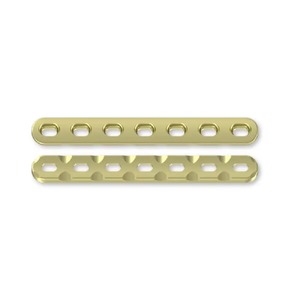
Titanium Orthopedic Implant – Manufacturer Direct, Limited Compression Surgical Implant & Interventional Material CE Certified
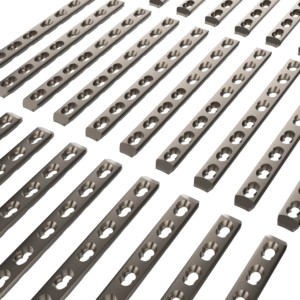
CANWELL 4.5mm Locking Compression Plate Narrow Humerus Femur Tibia Fixation Orthopedic Implant Manufacturer CE ISO OEM Supplier
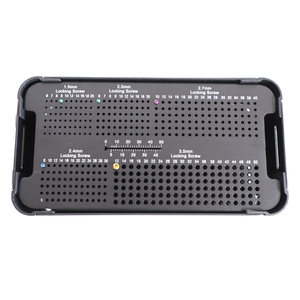
Orthopedic Veterinary Implant Plates Locking Screw Sterilization Box
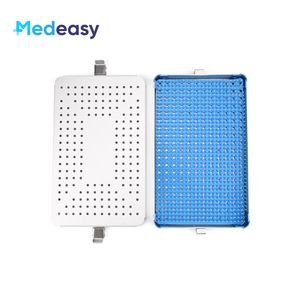
Medeasy Cheap Orthopedic Dental Implant Instruments Sterilization Box Aluminum Autoclavable Disinfection Tray
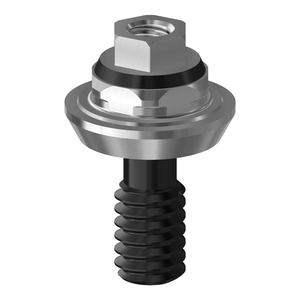
Dental Implant Compatible Parts Internal Connection Titanium Healing Abutment Scan Post Crown Restoration Multi-Platform
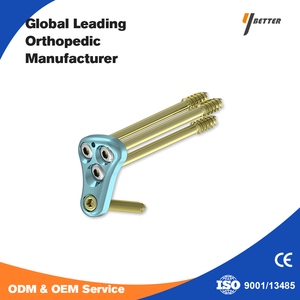
Ortho Implant Titanium Orthopedic Implants Multiaxial Compression Proximal Femur Locking Plate
Navigating the Bangladeshi Orthopedic Implant Ecosystem
An in-depth analysis of orthopedic trauma, spine, and maxillofacial implant procurement across Dhaka, Chittagong, Sylhet, and regional healthcare networks.
1. Macro Demand Drivers in Bangladesh Orthopedic Sector
The People's Republic of Bangladesh is undergoing a major transformation in its surgical healthcare landscape. Driven by rapid urban infrastructure development, rising industrial activity, and high-density traffic corridors (such as the Dhaka-Chittagong and Dhaka-Sylhet highways), trauma surgical interventions have escalated significantly over the past decade. According to clinical data from the National Institute of Traumatology and Orthopaedic Rehabilitation (NITOR) in Dhaka, emergency admissions for complex periarticular fractures, shaft fractures, and spinal injuries have grown at a compound annual growth rate (CAGR) exceeding 8.4%.
Furthermore, Bangladesh's healthcare economy features a dual-tier structure: public sector tenders managed under the Directorate General of Defence Purchase (DGDP), Central Medical Stores Depot (CMSD), and medical college hospitals (such as Dhaka Medical College Hospital and BSMMU); and a rapidly expanding private tertiary healthcare sector led by institutions like Evercare Hospital, Square Hospital, Labaid Specialized Hospital, and United Hospital. Procurement teams in both sectors face a common challenge: securing international-grade Ti-6Al-4V ELI (ASTM F136) titanium locking plates, pedicle screw systems, and PEEK interbody cages that balance strict clinical tolerances with realistic pricing structures.
Orthopedic Implants Price List Benchmark for Bangladesh (2025 Edition)
Comparative factory direct FOB prices vs landed CIF Chittagong cost estimations for high-demand surgical implant categories.
| Implant Category & System Specification | Material Standard | Factory FOB Price (USD) | Est. Landed CIF Chittagong (USD) | DGDA Registration Tier |
|---|---|---|---|---|
| Trauma Locking Compression Plate (LCP) Small/Large Fragment (3.5mm / 4.5mm) |
Ti-6Al-4V ELI (ASTM F136) / CP Titanium | $14.50 – $38.00 | $17.20 – $43.50 | Class C (Medical Device) |
| Polyaxial & Monoaxial Pedicle Screw System Spinal Fixation (5.5mm / 6.0mm Rod System) |
Titanium Alloy Grade 5 / Anodized | $18.00 – $42.00 | $21.50 – $48.00 | Class C (Invasive Implant) |
| PEEK Lumbar Interbody Fusion Cage TLIF / PLIF Cages with Tantalum Markers |
Implant-Grade PEEK (ASTM F2026) | $35.00 – $75.00 | $40.00 – $84.00 | Class C High Precision |
| Cannulated Compression Screw System 2.7mm / 4.0mm / 7.3mm Self-Tapping |
Ti-6Al-4V ELI / SS 316L Medical Grade | $6.50 – $16.00 | $7.80 – $18.90 | Class B / Class C |
| Maxillofacial Mini & Micro Plating System 1.5mm / 2.0mm Low Profile Reconstruction |
Commercially Pure Titanium (ASTM F67) | $8.00 – $22.00 | $9.50 – $25.50 | Class C CMF Grade |
| Intramedullary Interlocking Gamma Nail System Femoral / Tibial Interlocking Nails |
Titanium Alloy / High-Strength SS | $45.00 – $95.00 | $52.00 – $108.00 | Class C Major Trauma |
* Note: Prices reflect factory-direct wholesale tiers for minimum order quantities (MOQ). Actual landed prices in Bangladeshi Taka (BDT) fluctuate based on Bangladesh Bank exchange rates, customs duty (HS Code 9021.10.00), local clearance fees, and inland transit to Dhaka/Chittagong.
Top 10 Orthopedic Implant Factories & Exporters Criteria
How Bangladeshi medical importers, tenders, and clinical distributors evaluate international manufacturing partners.
1. DGDA Regulatory Dossier Support
The Directorate General of Drug Administration (DGDA) in Bangladesh enforces strict registration under the Medical Device Rules 2017. Top export factories provide complete Free Sale Certificates (FSC), ISO 13485 certificates, CE conformity declarations, raw material mill certificates, and validated sterilisation protocol data.
2. Materials Integrity & Traceability
Biocompatibility is paramount. Top exporters utilize certified ASTM F136 Ti-6Al-4V ELI titanium and Solvay/Invibio PEEK OPTIMA polymers. Batch-level barcode laser marking ensures 100% trace-back from finished surgical screw to initial titanium ingot heat number.
3. L/C Payment Terms Flexibility
Given Bangladesh Bank's foreign currency regulations, leading export factories must be equipped to handle Irrevocable Letters of Credit (L/C at sight) processed through major Bangladeshi financial institutions like Sonali Bank, Eastern Bank Limited (EBL), and Standard Chartered Bangladesh.
Orthovana Medical: Premier OEM/ODM Manufacturing Partner
Orthovana Medical Co., Ltd operates state-of-the-art multi-axis Swiss CNC machining centers dedicated exclusively to orthopedic trauma, spinal instrumentation, and maxillofacial reconstruction systems. Engineered for international healthcare buyers, our factory provides complete OEM white-label solutioning and custom surgical tray configurations.
Factory Capabilities Overview
- ✓ 100,000-Level Cleanroom Packaging Facilities
- ✓ Biocompatibility Certified Raw Materials (ASTM F136 / F67 / PEEK)
- ✓ ISO 13485:2016 Certified Quality Management System
- ✓ Comprehensive OEM Laser Marking & Custom Labeling
- ✓ Direct Air/Sea Shipment to Chittagong (CGP) & Dhaka (DAC)
Clinical Application Scenarios in Bangladeshi Hospitals
Targeted anatomical solutions engineered to address high-volume traumatic injuries and degenerative spine cases across South Asian patient demographics.
High-Energy Long Bone & Periarticular Fixation
Road traffic accidents along major Bangladeshi transit arteries frequently result in severe comminuted shaft fractures of the femur, tibia, and humerus. Systems like the CANWELL 4.5mm Narrow Locking Compression Plate and Multiaxial Proximal Femur Plates offer essential combi-holes, allowing surgeons at NITOR or divisional medical colleges to achieve dynamic axial compression or angular stable locking. Anatomically contoured plate head profiles minimize soft tissue irritation and eliminate the need for laborious intra-operative plate bending.
Thoracolumbar & Cervical Fusion Systems
With an aging agrarian workforce and increasing incidence of spinal cord trauma, lumbar degenerative disc disease and spondylolisthesis are widely prevalent in Bangladesh. Modern surgical protocols utilize Polyaxial Pedicle Screw Fixation Systems coupled with TLIF / PLIF PEEK Lumbar Cages. The PEEK polymer's modulus of elasticity closely matches natural human cancellous bone, reducing stress-shielding while radiolucent properties allow clear post-operative radiographic fusion assessment.
Facial Trauma & Mandibular Reconstruction
Industrial injuries and physical trauma frequently necessitate immediate midface and mandibular stabilization. Low-Profile Maxillofacial Titanium Plating Systems (1.5mm / 2.0mm) provide ultra-thin plate profiles with micro self-tapping screws. These systems ensure rigid internal fixation while remaining non-palpable under facial soft tissues, critical for long-term aesthetic outcomes in specialized CMF surgical units in Dhaka and Chittagong.
Autoclavable Sterilization & Instrument Packs
Hospital infection control standards in Bangladesh require robust sterilization infrastructure. High-grade Autoclavable Aluminum Sterilization Boxes equipped with silicone holding inserts protect fragile bone files, raspatories, drill bits, and depth gauges through repeated high-temperature steam sterilization cycles (134°C), ensuring long service life in busy operating theaters.
Key Trends Reshaping Bangladesh Implants Procurement
Future-proofing medical device import strategies over the next five years.
1. Decentralization of Trauma Care
Surgical trauma centers are expanding beyond Dhaka into district-level Sadar hospitals and medical colleges in Sylhet, Rajshahi, Rangpur, and Barisal, multiplying localized demand for complete implant sets.
2. Shift Toward Titanium over SS
While stainless steel 316L remains popular due to entry-level pricing, clinical preference is shifting rapidly toward Ti-6Al-4V ELI titanium alloy owing to superior MRI compatibility and lower revision rates.
3. Strict DGDA Market Enforcement
Unregistered grey-market imports are being phased out as DGDA mandates strict NOC validation, standardized UDI labeling, and audited manufacturer site registrations for all Class C medical devices.
Bangladeshi Importer & Distributor Technical FAQ
Addressing regulatory, financial, and logistical queries for importing orthopedic implants into Bangladesh.
How does your factory support DGDA registration under Bangladesh Medical Device Rules 2017?
What are the common payment methods and L/C conditions accepted for Bangladesh shipments?
What HS codes apply to orthopedic plates, screws, and instruments, and what is the typical import tariff structure?
Do you offer OEM private-label branding for Bangladeshi medical device distributors?
What is the standard production and shipping lead time for an order delivered to Dhaka or Chittagong?
How do you ensure instrument compatibility with your implant systems?
Expand Your Orthopedic Portfolio in Bangladesh
Connect directly with our international export engineering team to receive complete product catalogs, factory-direct price quotes (FOB/CIF), and DGDA regulatory support dossiers.