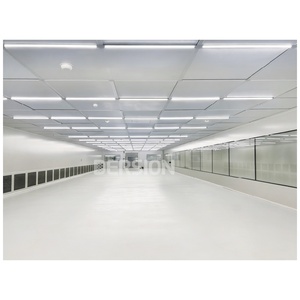
Precision OEM Manufacturing Portfolio
Featured Orthopedic Implant Solutions for Japanese Distributors
Standardized & custom-engineered surgical components manufactured under Class 100,000 cleanroom environments, compliant with ISO 13485 and Japan PMDA technical specifications.
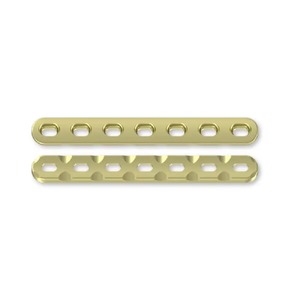
Titanium Limited Compression Surgical Implant & Interventional Material
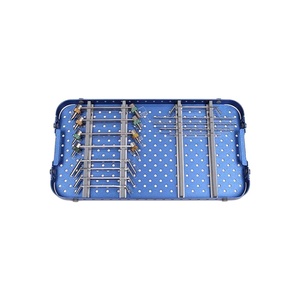
1.5/2.0/2.4/2.7/3.5mm Veterinary Micro Orthopedic Instrument Kit
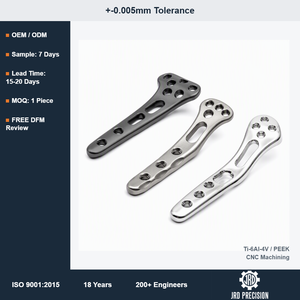
Precision 5-Axis CNC Machined ±0.005mm Titanium Ti6Al4V Implants
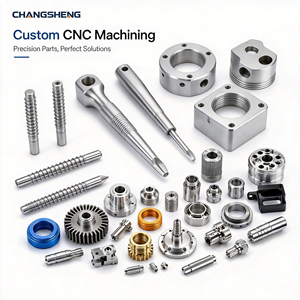
Custom OEM High-Precision Medical Stainless Steel Surgical Tools
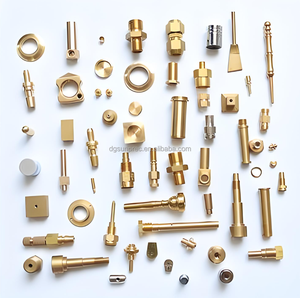
High-Precision 5-Axis Titanium CNC Custom OEM Components
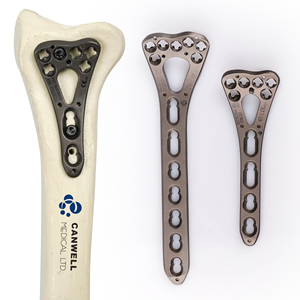
2.4/2.7mm VA Titanium Distal Palmar Radius Volar Locking Plate
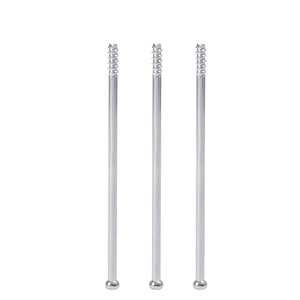
Stainless Steel Custom OEM Straight Neutral/Lengthen Bone Plate
±0.005 mm
Micro CNC Precision
Class 100k
ISO Cleanroom Standard
100%
CMM & Lot Traceability
ISO 13485
Medical Device QMS
Industry Whitepaper & Strategic Analysis
Navigating the Japanese Orthopedic Implants Market: OEM/ODM Sourcing Framework
Japan represents one of the largest and most sophisticated medical device markets globally. Driven by a rapidly aging demographic—where over 29.1% of the population is aged 65 or older—the clinical demand for orthopedic trauma plates, spinal pedicle screw systems, osteotomy devices, and joint replacement implants continues to expand at an unprecedented rate. However, entry into the Japanese healthcare supply chain demands strict adherence to rigorous quality standards overseen by the Pharmaceuticals and Medical Devices Agency (PMDA) under the Ministry of Health, Labour and Welfare (MHLW).
Key Insight for Importers & Distributors in Japan: Japanese orthopedic surgeons require ultra-low-profile implants with superior micro-surface finishes, high fatigue strength, and zero dimensional variation across manufacturing lots. Foreign OEM manufacturers must demonstrate compliance with ISO 13485:2016, JIS T 0311/ASTM F136 titanium standards, and robust STED (Summary Technical Documentation) filing support.
1. The Japanese Local Healthcare Landscape & Orthopedic Demand Drivers
The Japanese orthopedic landscape is defined by distinct epidemiological trends and anatomical considerations that directly influence OEM contract manufacturing specifications:
- Geriatric Fracture Management: High incidence of osteoporotic fragility fractures (e.g., distal radius, proximal femur, and vertebral compression fractures) requires specialized locking plates with multi-axial variable angle (VA) screw capabilities to secure fixation in osteopenic bone.
- Anatomical Contour Optimization: Implants designed for Western patient demographics often fail to match the smaller bone morphology of Japanese patients. Leading OEM factories serving Tokyo, Osaka, and Fukuoka healthcare networks specialize in pre-contoured, low-profile plates that minimize soft-tissue irritation.
- Minimally Invasive Surgery (MIS) Preference: Japanese surgical techniques heavily emphasize small-incision trauma surgery and MIS spinal fusion. This drives demand for cannulated screw systems, percutaneous pedicle screw instrumentation, and lightweight titanium/PEEK interbody cages.
2. PMDA Regulatory Compliance & Quality System Alignment
To successfully market foreign-manufactured orthopedic implants in Japan, Japanese distributors and original equipment manufacturers (OEMs) must complete the Shonin (marketing approval) or Ninsho (certification) process. Overseas OEM manufacturing facilities must achieve accreditation as a Foreign Medical Device Manufacturer (外国製造業者登録).
A top-tier OEM manufacturing partner serving Japan provides a complete technical dossier, including:
- Raw Material Traceability: Mill test certificates compliant with ASTM F136 (Ti-6Al-4V ELI), ASTM F67 (Unalloyed Titanium), and ASTM F2026 (PEEK for surgical implants).
- Biocompatibility & Mechanical Testing Reports: Dynamic fatigue testing under ISO 14801 / ASTM F382 (bone plates) and ASTM F543 (metallic medical bone screws).
- Validated Cleanroom Packaging: Double-pouch Tyvek sterile packaging produced within an ISO Class 7 / Class 100,000 cleanroom to prevent endotoxin contamination.
Market Leadership & Vendor Analysis
Top 10 Orthopedic Implant OEM Factories & Exporters Serving Japan
Evaluated based on micro-machining capabilities, cleanroom automation, PMDA registration support, raw material purity, and export performance to Japanese medical device brands.
01
Orthovana Medical OEM Manufacturing Hub
Industry-leading medical device exporter specializing in 5-axis CNC titanium machining (±0.005mm tolerance), Class 100,000 cleanroom production, and complete STED technical dossiers for Japanese PMDA registration. Complete line of trauma, spine, and veterinary implant kits.
Ti6Al4V ELI
ISO 13485
Cleanroom ISO 7
CMM Inspection
02
Kanto Micro-Precision Surgical Tools Co.
Specialized in silica sol investment casting for 17-4PH medical stainless steel surgical tools and custom orthopedic instrument handles. Serves top-tier hospital distributors in Tokyo and Kanagawa.
17-4PH Steel
Silica Sol Casting
Instrument Kits
03
Kansai Titanium Bio-Tech OEM Factory
Focused on limited compression trauma locking plates and cannulated compression screws. Features Type II anodization line for color-coded surgical identification matched to Japanese clinical preference.
Locking Plates
Type II Anodize
Trauma Fixation
04
Chubu 5-Axis Medical CNC Milling Corp.
Advanced Swiss-type CNC precision milling center producing high-complexity spinal pedicle screws, rods, and cervical anterior plates with zero defect rate targets for Nagoya OEM buyers.
Swiss CNC
Spine Pedicle Screws
±0.005mm
05
Kyushu PEEK & Bio-Polymer Implants Ltd.
Dedicated implant-grade PEEK (ASTM F2026) manufacturing facility producing TLIF, PLIF, and cervical interbody cages equipped with tantalum radiopaque markers for clear intraoperative visualization.
PEEK Cage
Tantalum Markers
Spinal Fusion
06
Tohoku Maxillofacial Micro-Plating Solutions
Ultra-low profile 1.5mm / 2.0mm titanium mini-plate systems engineered for cranial, midface, and mandibular reconstruction. Designed specifically for East Asian facial anatomy.
CMF Plating
Micro-screws
Low Profile
07
Shinshu Veterinary Orthopedic OEM Exporters
Premier provider of veterinary orthopedic instrument kits, TPLO plates, and straight neutral bone plates serving companion animal surgical centers across Japan.
Veterinary Trauma
TPLO Plates
Micro Kits
08
Hokkaido Joint Replacement Component Factory
High-volume precision manufacturing partner for hip femoral stems, acetabular cups, and knee tibial trays utilizing automated CMM dimensional verification.
Joint Arthroplasty
CoCrMo / Ti
Automated CMM
09
Chugoku Thoracic & Sternal Fixation Systems
Specialized manufacturer of rib fracture locking plates and sternal closure systems designed for rapid surgical application following thoracotomy.
Rib Fixation
Sternal Closure
Flexible Ti
10
Tokyo Medical Device OEM Engineering Group
Custom contract manufacturer focusing on private-label branding, laser marking, custom sterilization tray layout, and rapid prototyping for Japanese medical startups.
OEM / ODM
Laser Marking
Sterilization Trays
Technical Evaluation Matrix
OEM Manufacturing Capabilities vs. Japanese Quality Standards
Direct technical comparison showing how top-tier OEM factories meet and exceed Japanese PMDA and industrial requirements.
| Evaluation Parameter | Standard Global Export Benchmark | Japanese PMDA / Market Requirement | Orthovana OEM Factory Standard |
|---|---|---|---|
| Raw Titanium Material | ASTM F136 / ISO 5832-3 | JIS T 0311 / ASTM F136 ELI (Low interstitial) | 100% Certified Ti-6Al-4V ELI (ASTM F136) |
| Machining Accuracy | ±0.010 mm to ±0.020 mm | ±0.005 mm (Micro-threads & locking angles) | ±0.005 mm (5-Axis Swiss CNC Machining) |
| Cleanroom Packaging | ISO Class 8 (Class 100,000) | ISO Class 7 / Class 8 validated endotoxins | ISO Class 7 (Class 10,000 / 100,000) Cleanroom |
| Quality Inspection | AQL 1.0 Sampling Inspection | 100% Critical Feature & Thread Verification | 100% CMM + Optical Comparator Verification |
| Surface Finishing | Standard Anodization / Mechanical Polish | Type II Anodization (Anti-galling, Bio-inert) | Type II Anodizing + Micro-bead Blasting |
| Documentation Support | Basic ISO Certificate & CoA | Full STED Dossier & Foreign Manufacturer Reg. | Complete STED Dossier + PMDA Audit Files |
Manufacturing Excellence
Why Leading Japanese Medical Importers Partner With Us
Combining advanced European & Swiss machining hardware with rigorous East Asian quality management discipline.
5-Axis CNC Precision Swiss Machining
Our ultra-precision 5-axis CNC machining centers enable single-setup manufacturing of complex anatomical locking plates, polyaxial pedicle screw heads, and intricate spinal rod connectors with strict ±0.005mm tolerances.
Class 100,000 Sterile Cleanroom Complex
All final cleaning, bio-burden decontamination, and double-pouch Tyvek heat sealing are conducted inside validated ISO Class 7/8 cleanrooms, adhering strictly to ISO 11607 packaging standards.
100% CMM Dimensional Verification
Every production batch undergoes 100% dimensional audit using automated Coordinate Measuring Machines (CMM) and optical profile projectors to eliminate non-conforming screw pitch or locking hole geometry.
Comprehensive Lot Traceability & Documentation
We guarantee complete traceability from raw titanium/PEEK ingot heat numbers down to individual packaged pouches, supported by full Material Test Reports (MTR) and certificates of conformity (CoC).
Silica Sol Precision Surgical Tool Casting
For specialized surgical instruments, bone retractors, and benders, our silica sol investment casting technology utilizes 17-4PH stainless steel, ensuring high hardness, corrosion resistance, and ergonomic weight distribution.
Custom OEM/ODM Rapid Development Pipeline
Our dedicated engineering support team works directly with Japanese R&D departments to transform 3D CAD models into sterile, market-ready surgical implant kits in as little as 4 to 6 weeks.
Localized Application Scenarios
Anatomically Adapted Applications for Japanese Hospitals & Clinics
Successful orthopedic clinical outcomes depend heavily on matching implant mechanical behavior to specific patient profiles. In Japan, OEM solutions must address four main clinical application scenarios:
Scenario A: Distal Radius Fracture Fixation in Geriatric Patients
Distal radius fractures represent one of the most frequent trauma indications in Japan due to the high proportion of elderly female patients with osteoporosis. Standard straight locking plates often cause flexor tendon irritation.
- OEM Solution: 2.4mm / 2.7mm Variable Angle (VA) Titanium Distal Palmar Radius Volar Locking Plates (CANWELL design compatible).
- Clinical Benefit: Anatomical volar contouring eliminates the need for intraoperative bending, while variable-angle locking screws allow surgeons to target intact subchondral bone blocks without penetrating the radiocarpal joint.
Scenario B: Minimally Invasive Lumbar Interbody Fusion (MIS-TLIF/PLIF)
Japanese spinal surgeons prioritize minimally invasive approaches to shorten postoperative hospital stay and preserve paraspinous muscle architecture.
- OEM Solution: Radiolucent PEEK Lumbar Cages paired with Low-Profile Titanium Pedicle Screw Systems.
- Clinical Benefit: Implant-grade PEEK (ASTM F2026) provides an elastic modulus closely matching natural human cancellous bone, reducing risk of cage subsidence. Integrated tantalum pins allow precise X-ray positioning under fluoroscopy.
Scenario C: Maxillofacial & Cranial Trauma Reconstruction
Reconstructive surgeries following facial trauma or oncological resection in Japanese university hospitals require delicate micro-fixation systems that do not create visible contour deformities beneath thin East Asian soft tissues.
- OEM Solution: 1.5mm / 2.0mm Titanium Micro & Mini Plating Systems with self-tapping micro-screws.
- Clinical Benefit: Ultra-low profile plate thickness (0.6mm - 1.0mm) combined with high-ductility titanium enables precise three-dimensional hand-bending along complex orbital rims and zygomatic arches.
Scenario D: Companion Animal & Veterinary Orthopedic Surgery
Japan’s pet care market has experienced rapid growth, with dog and cat owners seeking advanced surgical care for cruciate ligament tears (TPLO) and long-bone fractures.
- OEM Solution: 1.5/2.0/2.4/2.7/3.5mm Veterinary Orthopedic Instrument Kits & Stainless Steel/Titanium Straight Neutral/Lengthen Plates.
- Clinical Benefit: Color-coded surgical tray systems allow small-animal veterinary clinics in Tokyo and Osaka to perform rapid fracture stabilization with surgeon-friendly instrumentation.
Procurement FAQ
Frequently Asked Questions by Japanese Medical Buyers
Addressing regulatory compliance, quality verification, shipping logistics, and private-label customization.
What specific materials are utilized for your titanium implants and cages?
Our trauma plates and bone screws are precision-machined from medical-grade Titanium Alloy (Ti-6Al-4V ELI compliant with ASTM F136 / ISO 5832-3) and Commercially Pure Titanium (CP Grade 2 / Grade 4 compliant with ASTM F67). For spinal interbody fusion cages, we use implant-grade Polyetheretherketone (PEEK-OPTIMA / ASTM F2026) embedded with radiopaque tantalum markers per ASTM F560.
How do you support Japanese distributors with PMDA (Shonin/Ninsho) registration?
We provide complete regulatory support packages including STED dossiers, ISO 13485:2016 certificates, raw material mill test reports (MTR), mechanical fatigue testing reports (ASTM F382 / ASTM F543 / ISO 14801), biocompatibility evaluation reports (ISO 10993), sterilization validation data (ISO 11137 / ISO 11607), and full manufacturing process flowcharts necessary for Foreign Medical Device Manufacturer Accreditation.
Are your orthopedic implants compatible with standard surgical instrument sets?
Yes. All our locking plate systems, pedicle screws, and micro-plates are engineered according to standardized international dimensional interfaces. We also manufacture matching custom surgical instrument sets—including torque-limiting screwdrivers, drill bits, depth gauges, and anodized aluminum sterilization caddies—delivering surgery-ready configurations directly to hospital procurement departments.
What is your typical production lead time and Minimum Order Quantity (MOQ)?
For standard OEM catalog products, our stock buffer enables shipment dispatch within 7 to 14 business days. For customized ODM projects or private-label laser-marked orders, typical production lead time ranges between 30 and 45 days. Minimum order quantities are flexible depending on product complexity, starting at 100 units per plate specification or 500 units for standardized locking screws.
Do you offer OEM private labeling and custom color-coded anodization?
Absolutely. We provide comprehensive OEM/ODM customization options including high-resolution fiber laser marking for your brand logo, lot sequence numbers, GS1 DataMatrix UDI barcodes, and customized Type II color anodization (cyan, gold, magenta, green, blue) to allow quick surgical size identification in the operating theater.
How is dimensional quality guaranteed during mass CNC production?
We employ a three-tier quality control protocol: 1) First-article inspection (FAI) for every setup; 2) In-process statistical process control (SPC) using high-accuracy thread gauges and optical comparators; and 3) 100% final inspection using multi-axis automated Coordinate Measuring Machines (CMM) before cleanroom double-pouch sealing.
Can Japanese importers inspect or audit your cleanroom and factory facilities?
Yes, we welcome on-site quality system audits from Japanese medical device importers, regulatory representatives, and third-party notified bodies. Virtual live video audits are also available upon request to review our ISO Class 7 cleanrooms, 5-axis CNC workshops, and mechanical testing laboratories.
How do I request a sample kit or custom technical quotation?
You can initiate a request by clicking the "Contact Us" button on this page. Our international medical device engineering team will connect with you within 12 hours to review your CAD files, product specifications, and target delivery timelines.
Accelerate Your Orthopedic Supply Chain in Japan
Partner with a proven medical device OEM factory equipped with 5-axis CNC precision, ISO Class 7 cleanrooms, and comprehensive PMDA regulatory support.
Contact Us