Certified Orthopedic Implants & Surgical Instrumentation Portfolio
Engineered specifically for medical device distributors, hospitals, and tenders across Peru (Lima, Callao, Arequipa, Trujillo). Fully compliant with DIGEMID Class I, II, and III medical device registration protocols.
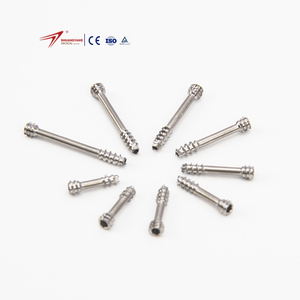
Orthopedic Implant Titanium Herbert Screw Trauma Surgery Headless Compression Cannulated Screw
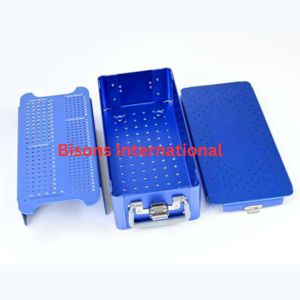
BISONS High Quality CE Certified Class I Orthopedic Implant Screw Sterilization Box Stainless Steel Surgical Instrument Manual
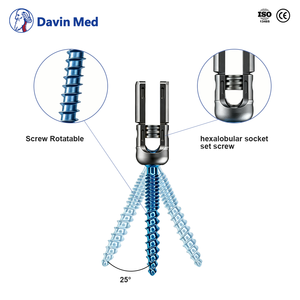
Davin Med Titanium Long Tail Polyaxial Pedicle Screw For Thoracolumbar Posterior Spinal Fixation Orthopedic Implant System OEM
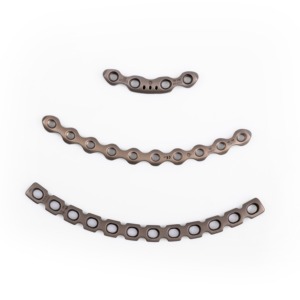
Modern Stylish Stainless Steel Orthopedic Implants Lightweight Customized New Condition High Quality CE Certified Cheap Price
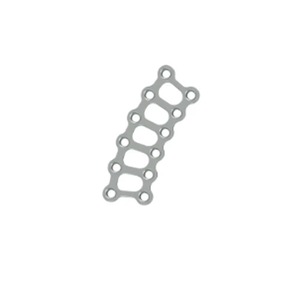
Wholesale Orthopedic Implants Export Quality Surgical Implant Manufacturer and Supplier
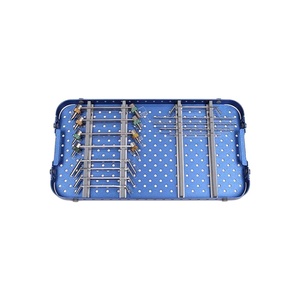
Orthopedic Implants Manufacturer in China 1.5/2.0/2.4/2.7/3.5mm Veterinary Orthopedic Instrument Kit
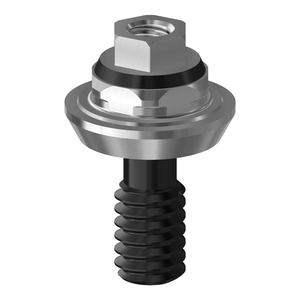
Dental Implant Compatible Parts Internal Connection Titanium Healing Abutment Scan Post Crown Restoration Multi-Platform
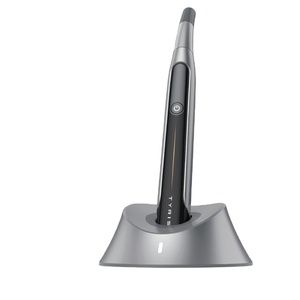
Tyris MD-100 Implant Stability Osseointegration Monitor with User-Friendly Interface
Navigating Medical Device Registration for Orthopedic Implants in Peru (DIGEMID Blueprint)
Exporting orthopedic trauma plates, spinal pedicle screw systems, and interbody cages into the Peruvian healthcare market demands strict regulatory adherence to the requirements enforced by DIGEMID (Dirección General de Medicamentos, Insumos y Drogas), a division of the Peruvian Ministry of Health (MINSA). Operating under Ley N° 29459 (Ley de Productos Farmacéuticos, Dispositivos Médicos y Productos Sanitarios) and Decreto Supremo N° 016-2011-SA, DIGEMID enforces stringent evaluation protocols for all imported orthopedic devices.
For international orthopedic device manufacturers and OEM factories located in major manufacturing hubs (such as China, Europe, and North America), establishing a resilient export pipeline to Peru requires complete synchronization between the manufacturing quality management system (QMS) and the Peruvian Authorized Representative (PRH / Importador Autorizado). This whitepaper details the exact regulatory architecture, technical documentation frameworks, material science standards, and market dynamics governing orthopedic device importation in Peru.
DIGEMID Medical Device Risk Classification Matrix for Orthopedic Hardware
Peru categorizes medical devices into four distinct risk classes modeled after GHTF (Global Harmonization Task Force) and EU MDR frameworks. Foreign exporters must correctly identify their product classifications to prepare the appropriate dossier scope:
| Risk Category | DIGEMID Classification | Orthopedic Product Scope | Dossier & Evaluation Complexity |
|---|---|---|---|
| Class I (Bajo Riesgo) | Low Risk | Manual surgical instruments, sterilization boxes, retractor systems, drill bits. | Simplified Registration Dossier; administrative & physical compliance checks. |
| Class II (Moderado Riesgo) | Moderate Risk | Non-invasive external fixator frames, temporary trial sizers, bone cement mixers. | Standard Technical File including material safety data and manufacturing flow. |
| Class III (Alto Riesgo) | High Risk | Bone locking plates, pedicle screws, Herbert screws, intramedullary nails, PEEK cages. | Full STED Technical Dossier: Biocompatibility (ISO 10993), Mechanical Fatigue Testing (ASTM F382/F543), Sterilization Validation. |
| Class IV (Crítico Riesgo) | Critical High Risk | Antibiotic-loaded bone cement, bioresorbable implants containing active pharmaceutical ingredients. | In-depth clinical trial data, pharmacovigilance reports, and comprehensive factory audits. |
Mandatory Technical Dossier Checklist for DIGEMID Sanitary Registration (Registro Sanitario)
Peruvian medical device distributors cannot clear goods through Callao customs without a valid Sanitary Registration Certificate (Registro Sanitario de Dispositivos Médicos) issued by DIGEMID. Overseas factories must furnish their Peruvian commercial partners with the following notarized and apostilled documentation pack:
1. Certificate of Free Sale (CLV) & ISO 13485
An official Certificate of Free Sale (CLV) from the country of origin stating that the implants are legally commercialized, paired with an accredited ISO 13485:2016 certificate covering implant manufacturing lines.
2. Technical Dossier (STED / Summary Technical File)
Engineering drawings, raw material certificates (Ti-6Al-4V ELI per ASTM F136 or PEEK per ASTM F2026), biomechanical fatigue test reports, and risk management files per ISO 14971.
3. Sterilization Validation & Shelf-Life Studies
Validation records for Gamma Irradiation (ISO 11137) or Ethylene Oxide (ISO 11135), packaging integrity tests (ASTM F1929 / ISO 11607), and accelerated aging data supporting proposed shelf-life.
Furthermore, all secondary packaging, primary foil blisters, and Instructions for Use (IFU) must be fully localized into Spanish, detailing storage conditions, batch/lot numbers, expiration dates, and DIGEMID registration code pursuant to Resolución Ministerial N° 255-2016/MINSA.
Peruvian Healthcare System Infrastructure & Supply Chain Landscape
To establish a sustainable distribution network in Peru, foreign exporters must comprehend the bifurcated structure of the Peruvian health ecosystem. Purchasing habits, tender technical specifications, and payment cycles differ drastically across the public and private sectors:
EsSalud (Seguro Social de Salud)
Serves formally employed citizens via major hospital networks (such as Hospital Nacional Edgardo Rebagliati Martins and Hospital Nacional Guillermo Almenara Irigoyen in Lima). EsSalud conducts centralized high-volume tenders for orthopedic trauma kits and spinal pedicle systems, prioritizing supplier capacity, ISO 13485 certification, and direct price-to-performance efficiency.
MINSA (Ministerio de Salud)
Provides healthcare to uninsured populations through regional public hospitals (e.g., Hospital Nacional Dos de Mayo, Hospital Loayza). Purchases are decentralized through regional health directorates (DIRESA), generating steady demand for versatile locking compression plate (LCP) systems, cannulated compression screws, and standard trauma hardware.
Private Hospital & Clinic Sector
Leading private institutions in Lima (Clínica Internacional, Clínica Anglo Americana, Clínica San Pablo) demand premium-tier anatomical contouring, low-profile plates, and specialized implants like headless titanium Herbert screws and expandable PEEK lumbar cages for minimally invasive surgeries (MIS).
Macro Trends Shaping Peruvian Orthopedic Procurement
Over the past five years, Peru’s orthopedic import market has undergone a significant strategic shift. Key market drivers include:
- Surging High-Energy Trauma Incidents: Rapid urbanization and increased vehicular traffic across the Pan-American Highway corridor have elevated the demand for high-strength anatomical locking plates (proximal humerus, distal tibia, femur) and intramedullary interlocking nails.
- Fiscal Rationalization in Health Networks: Both EsSalud and private clinical chains are actively seeking cost-effective OEM options to replace ultra-expensive European and North American brands, provided the alternative factories hold ISO 13485 accreditation and full DIGEMID dossier approval.
- High-Altitude Surgical Considerations: High-altitude regions such as Cusco, Arequipa, Puno, and Huancayo present unique clinical operating environments. Surgeons in these regions report an emphasis on high fatigue-strength Ti-6Al-4V titanium alloys to ensure reliable osseointegration and long-term structural stability under variable physiological oxygenation conditions.
Localized Application Scenarios in Peruvian Orthopedic & Trauma Surgery
1. Upper & Lower Extremity Trauma Fixation
Anatomically contoured locking compression plates (LCP) and cannulated Herbert screws are heavily utilized in emergency trauma departments across Callao and Lima. Headless compression screws provide precise interfragmentary compression for scaphoid fractures and intra-articular osteotomies without soft-tissue irritation.
2. Complex Thoracolumbar Spine Reconstruction
Spinal surgery units in regional tertiary referral centers depend on titanium polyaxial pedicle screws with long-tail reduction options. Paired with PEEK interbody fusion cages (TLIF/PLIF), these systems restore disc height, stabilize degenerative fractures, and facilitate solid spinal arthrodesis.
3. Craniomaxillofacial & Small Fragment Restoration
Micro and mini plating systems (1.5mm / 2.0mm titanium plates) are vital for facial fracture reconstruction, orthognathic procedures, and hand surgery. Micro-grooved surfaces and titanium healing abutments deliver biocompatible integration for specialized reconstructive clinics.
Orthovana Medical: Manufacturing Competence & OEM Capability
As a specialized manufacturer and global exporter of orthopedic implants and surgical instrumentation, Orthovana Medical Co., Ltd. serves as a direct strategic bridge for Peruvian distributors seeking seamless DIGEMID registration and stable long-term supply.
Multi-Axis CNC Machining Precision
Our production facilities utilize high-precision Swiss-type 5-axis CNC machining centers. Thread lead, locking screw taper, and plate geometry are held within micron-level tolerances, guaranteeing effortless intra-operative engagement.
Certified Implant Materials
We source 100% medical-grade titanium alloy (Ti-6Al-4V ELI per ASTM F136), commercially pure titanium (ASTM F67), and implant-grade PEEK (ASTM F2026). Every raw material lot is accompanied by certified chemical and mechanical heat test reports.
Turnkey OEM & Spanish Documentation
We supply complete OEM private-label branding, customized laser etching, localized Spanish IFU translation, and pre-formatted DIGEMID STED registration dossiers to fast-track market entry for our Peruvian partners.
Frequently Asked Questions: Sourcing & Registering Orthopedic Implants in Peru
What is the average timeline for DIGEMID Class III orthopedic implant registration in Peru?
Under standard DIGEMID evaluation frameworks, Class III invasive implants (trauma locking plates, pedicle screws, PEEK cages) take approximately 6 to 10 months for complete dossier review and Sanitary Registration approval. However, providing fully compliant STED files, validated ISO 10993 biocompatibility data, and apostilled CLVs dramatically prevents regulatory queries and delay notifications.
Does your factory supply legalised Certificates of Free Sale (CLV) and ISO 13485 for Peru?
Yes. Orthovana Medical provides fully authenticated ISO 13485:2016 quality system certificates and Certificates of Free Sale (CLV) legalized via the Hague Apostille or Peruvian Embassy channels. All document batches are prepared to meet DIGEMID requirements directly.
Can Peruvian distributors order combined matching instrument sets and sterilization trays?
Absolutley. Every trauma locking system, pedicle screw fixator, and cannulated screw series can be bundled with customized, autoclavable surgical instrument sets housed in hard-anodized aluminum or stainless steel sterilization boxes (such as our BISONS series) ready for immediate hospital use.
What custom clearance logistics options are available for shipments entering Peru?
We regularly handle export operations destined for Jorge Chávez International Airport (LIM, Lima) for urgent air freight, as well as sea freight shipments routed through the Port of Callao. All shipments include complete batch traceability, packing lists, commercial invoices, and Certificate of Analysis (CoA) documentation required by Peruvian customs customs brokers (Agentes de Aduana).
Do you offer OEM private labeling and custom Spanish packaging for Peruvian brands?
Yes, we support OEM strategic partnerships. We can laser mark your commercial brand name, specialized part numbers, and lot details directly onto the implants and instruments, alongside customized blister packaging and localized Spanish labeling in compliance with R.M. 255-2016/MINSA.
Ready to Expand Your Orthopedic Portfolio in Peru?
Partner with a certified factory that understands DIGEMID registration, raw material traceability, and clinical precision. Contact our international export department today to receive full technical dossiers, samples, and OEM price quotes.
Get Catalog & Regulatory Technical Dossier