High-Precision Orthopedic & Surgical Solutions
Explore our ANVISA-aligned catalog engineered with ASTM F136 Ti-6Al-4V ELI titanium alloy and surgical-grade steel for trauma, spine, CMF, and dental applications across Brazil.
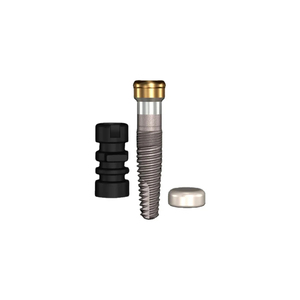
Implante Dental De Titanio - High Precision Surgical Drill Kit Set for Implants
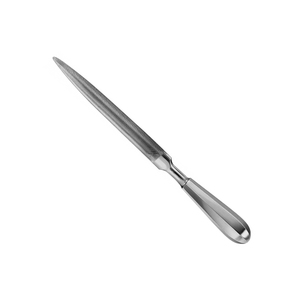
High Grade Bone File 295 mm 11.34" Serrated Cross Width 20 mm Metal Steel Bone File
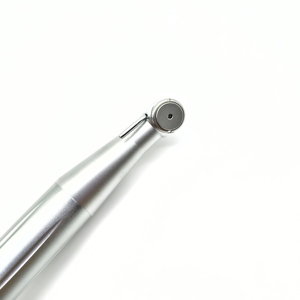
Orthocare Medical Dental Implant Contra Angle Handpiece with LED Light
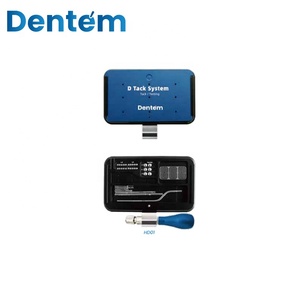
Dentem D Tack System GBR Kit Guided Bone Regeneration Titanium Screw Kit
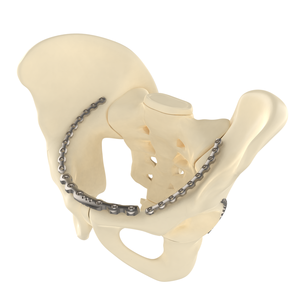
CE/ISO Certified 3.5mm Pelvic Locking Plate Curved Bone Fixation Anatomical Implant
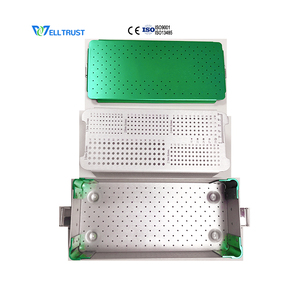
Veterinary Orthopedic 1.5/2.0/2.4/2.7/3.5 Implant Screw Sterilization Box
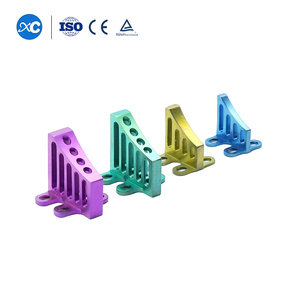
Orthopedic Veterinary Trauma Implant TTA System Surgical Instrument Set
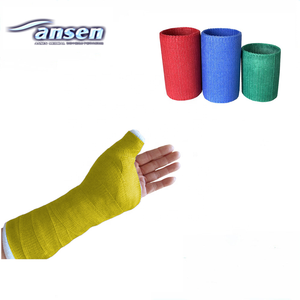
OEM Hospital Consumable Orthopedic Fiberglass Cast - Distributors Wanted
Executive Overview: Supply Chain Dynamics of Orthopedic Implants in Brazil
Brazil represents the largest healthcare market in Latin America, characterized by a sophisticated dual-system framework comprising the public Sistema Único de Saúde (SUS) and a burgeoning private sector (Saúde Suplementar). As surgical volumes for trauma, spinal reconstruction, maxillofacial trauma, and joint arthroplasty continue to escalate across major metropolitan hubs like São Paulo, Rio de Janeiro, Belo Horizonte, and Porto Alegre, hospital procurement divisions face dual pressures: maintaining uncompromising clinical efficacy while controlling implant procurement costs.
For Brazilian medical device importers, distributors, and healthcare networks, sourcing high-precision implants directly from leading Chinese manufacturers has evolved from a simple cost-reduction tactic into a core strategic growth lever. China's medical device manufacturing infrastructure now integrates advanced 5-axis CNC multi-axis milling, automated anodization lines, cleanroom packaging, and comprehensive metallurgical testing that rigorously complies with international standard specifications including ISO 13485, ASTM F136 (Ti-6Al-4V ELI), and ASTM F67 (Commercially Pure Titanium).
However, successfully navigating the Brazilian market requires more than just high-quality implants. Importers must comply with strict regulatory requirements enforced by the Agência Nacional de Vigilância Sanitária (ANVISA). Partnering with a premier Chinese orthopedic supplier provides the technical documentation, batch-level traceability, and engineering customization necessary to pass ANVISA audit protocols smoothly and secure local product registrations.
Biomedical Engineering & Metallurgical Superiority
In modern traumatology and orthopedic surgery, dynamic stress distribution, fatigue strength, and osseointegration are non-negotiable performance factors. As a benchmark orthopedic manufacturer supplying Brazilian buyers, our production architecture centers on rigorous raw material selection and sub-micron machining tolerances.
Advanced Titanium & PEEK Material Platforms
We utilize certified Ti-6Al-4V ELI (Extra Low Interstitial) titanium alloy, engineered specifically to eliminate micro-structural impurities. This yields superior yield strength and enhanced resistance to cyclic fatigue during bone healing. For spinal fusion applications, our interbody cages are machined from implant-grade PEEK (Polyetheretherketone) matching the elasticity modulus of human cortical bone, integrated with radiopaque Tantalum markers for exact intra-operative imaging under fluoroscopy.
- Optimized Anodization: Color-coded surface treatments simplify intra-operative identification by surgical teams in fast-paced trauma centers.
- Anatomical Pre-contouring: Reduces the necessity for extensive manual bending during surgery, preserving plate structural integrity and reducing operative time.
- Micro-locking Screw Geometry: Thread pitches engineered to maximize pull-out strength in osteoporotic bone structures.
| Mechanical Metric | Ti-6Al-4V ELI (ASTM F136) | Surgical Steel (ASTM F138) |
|---|---|---|
| Tensile Strength (MPa) | ≥ 860 MPa | ≥ 515 MPa |
| Yield Strength (MPa) | ≥ 795 MPa | ≥ 690 MPa |
| Elongation (%) | ≥ 10% | ≥ 40% |
| Modulus of Elasticity | 110 GPa | 200 GPa |
| MRI Compatibility | MRI Conditional (Non-Magnetic) | Artifact Prone |
Localized Surgical Application Scenarios across Brazil
From high-energy traffic trauma solutions in public hospitals to refined aesthetic CMF systems in private clinics, our implant systems are tailored to the specific operational environment of Brazilian surgical teams.
SUS Public Emergency Trauma Tenders
Public trauma centers across Brazil require high-volume, extremely durable 3.5mm and 4.5mm locking compression plate (LCP) systems, intramedullary nails, and cannulated screw kits. Our production lines ensure batch-to-batch consistency and competitive pricing structured to help distributors win competitive public SUS tenders.
Private Orthopedic Hospitals & Elective Spine
Private hospitals in Brazil demand premium-grade spinal pedicle screw systems, low-profile anterior cervical plates, and variable-angle locking plates. We supply ultra-low profile constructs that minimize tissue irritation, packaged alongside ergonomic surgical instrument kits preferred by leading Brazilian surgeons.
Craniomaxillofacial & Dental Implant Centers
Facial trauma and reconstructive centers require micro (1.5mm, 2.0mm) and mini plating systems with minimal palpable profile. Our GBR kit titanium screws and precision handpieces deliver microscopic accuracy for complex orthognathic and dental bone regeneration procedures across South America.
Navigating ANVISA Regulatory Compliance & Importation Logistics
Importing orthopedic implants into Brazil requires navigating strict regulatory oversight by ANVISA. Medical implants are categorized under Class III and Class IV high-risk medical devices, demanding extensive technical files (Dossiê Técnico) and adherence to RDC 665/2022 (Brazilian Good Manufacturing Practices - BGMP).
How We Support Brazilian Importers:
- Complete STED Documentation: We provide full Summary Technical Documentation including mechanical testing reports, wear resistance data, corrosion analysis, and biocompatibility studies compliant with ISO 10993 standards.
- Cleanroom & Packaging Controls: Implants are produced under ISO Class 7 cleanroom environments, packaged with double-sterile barrier protection, ready for gamma radiation or ethylene oxide (EtO) sterilization.
- Custom UDI & Barcoding: Laser-etched Unique Device Identification (UDI) matrix codes on every implant lot ensure total traceability from factory floor to Brazilian operating rooms.
- ANVISA Audit Support: Provision of plant master files, calibration logs, and raw material mill certificates required during ANVISA factory inspections.
Optimized Logistics to Brazil Ports:
Customs clearance via Siscomex (Sistema Integrado de Comércio Exterior) requires meticulous invoice harmonization and NCM (Nomenclatura Comum do Mercosul) coding. Our dedicated export department ensures accurate HS Code classification (e.g., 9021.10 for orthopedic appliances and bone fracture implants), eliminating port delays at Santos, Paranaguá, or Viracopos International Airport.
We offer flexible shipping terms (FOB, CIF, CIP) with customized packing declarations that satisfy MAPA (Ministério da Agricultura, Pecuária e Abastecimento) wooden pallet heat-treatment certifications (ISPM 15) to prevent customs holds.
Core Manufacturing & OEM Advantages
Why leading Brazilian distributors choose us as their strategic manufacturing partner in China.
ISO 13485 Quality Systems
Our manufacturing facility operates under audited ISO 13485 quality management systems, incorporating 100% optical CMM dimensional inspection on all critical threads and locking tapers.
Full OEM & Private Labeling
We provide OEM branding options, customized laser marking, private logo engraving, and localized instruction for use (IFU) manuals translated into Portuguese for the Brazilian market.
Dedicated Instrument Set Matching
Implants are backed by complete, surgery-ready surgical instrument kits housed in anodized aluminum sterilization boxes, ensuring seamless handling by Brazilian surgical staff.
Frequently Asked Questions for Brazilian Importers & Procurement Managers
Answers to key regulatory, operational, and technical questions regarding orthopedic implant procurement from China to Brazil.
We supply a complete ANVISA technical documentation package (Dossiê Técnico), including ISO 13485 certificates, raw material mill test reports (ASTM F136 / ASTM F67), fatigue testing reports according to ASTM F1717 / ISO 7206, biocompatibility studies (ISO 10993), cleanroom validation files, and Portuguese IFU templates.
Our trauma plates and bone screws are machined from certified Ti-6Al-4V ELI titanium alloy (ASTM F136) and commercially pure titanium (ASTM F67 Grade 4). For spinal fusion constructs, our cages are manufactured using medical-grade PEEK (Polyetheretherketone) integrated with Tantalum markers for x-ray visualization.
Yes. We specialize in OEM and private-label production. We can laser-etch your company logo, custom lot numbers, and ANVISA registration codes directly onto implants, sterilization trays, and packaging boxes according to your brand guidelines.
Every implant line (e.g., 3.5mm pelvic locking plates, pedicle screw systems, CMF plates) is designed alongside a matching instrument set. Drills, taps, depth gauges, and screwdrivers undergo strict tolerance checks to ensure smooth intra-operative connection and prevent screw head stripping.
Standard production lead time is typically 25 to 35 days depending on order complexity and volume. Express air freight via Guarulhos (GRU) or Viracopos (VCP) airports takes 5-7 business days, while ocean freight to the Port of Santos takes approximately 30-40 days transit time.
We supply non-sterile evaluation samples and demonstration instrument kits to authorized Brazilian medical importers. This allows surgical evaluation panels and hospital procurement committees to assess finish quality, locking mechanism ease, and thread engagement prior to placing full commercial orders.
Partner with China's Premier Orthopedic Implant Manufacturer
Expand your product catalog in Brazil with ANVISA-ready titanium plates, screws, spine systems, and custom OEM manufacturing. Contact our international export engineering team today for technical catalogs and factory-direct pricing.
Get a Quote