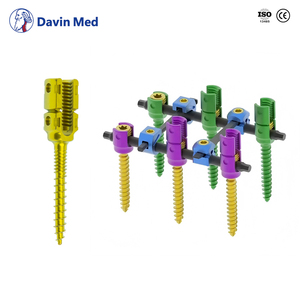
Spine Solution
Precision-machined from implant-grade Titanium Alloy (Ti-6Al-4V ELI), PEEK, and Surgical Stainless Steel (316L). Fully traceable, ISO 13485 compliant, and ready for private label integration.
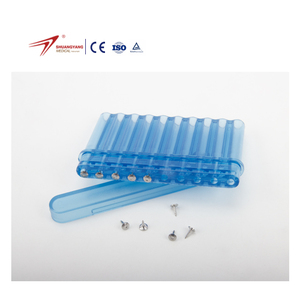
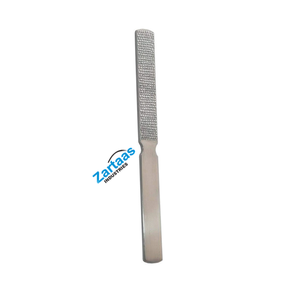
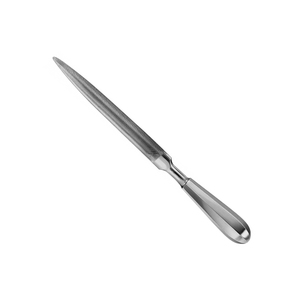
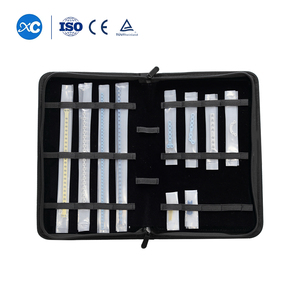
The global market for orthopedic trauma devices, spinal implants, and specialized surgical instruments is undergoing a structural paradigm shift. International medical device brands, regional stocking distributors, and hospital networks are increasingly seeking reliable China white label orthopedic instruments suppliers and exporters to streamline supply chain economics without sacrificing clinical efficacy or regulatory compliance. China's medical manufacturing ecosystem has matured from simple contract assembly into sophisticated multi-axis CNC machining, advanced surface anodization, biomaterial metallurgy, and full compliance under ISO 13485 and European Union Medical Device Regulation (EU MDR 2017/745).
In this technical white paper, we examine how leading Chinese OEM/ODM suppliers empower global buyers through precision engineering, complete lot-level material traceability, custom laser-etched branding, and surgery-ready instrumentation sets. By bridging high-capacity automated production with stringent Quality Management Systems (QMS), Chinese medical device exporters provide unmatched competitive advantages in cost structures, inventory scalability, and localized registration documentation.
We eliminate supply chain friction by combining advanced metallurgical science, custom tooling flexibility, and robust regulatory audit support.
We source certified medical titanium alloy (Ti-6Al-4V ELI per ASTM F136), commercially pure titanium (ASTM F67), implant-grade PEEK (PEEK-OPTIMA), and stainless steel (ASTM F138 / 316LVM). Every raw material lot undergoes chemical spectroscopy and tensile testing prior to machining.
Utilizing Swiss-type automatic lathes and 5-axis high-speed machining centers (Citizen, Star, DMG Mori), we maintain strict sub-micron tolerances on complex locking threads, anatomical plate contours, and low-profile spinal pedicle screw tulips.
Full private-label customization including fiber laser etching of distributor part numbers, custom color anodization for instant size identification in theatre, validated cleanroom pouch sealing, and customized sterilizer-ready aluminum cases.
Speed up regional ministry of health product approvals with our complete technical dossiers (STED format), biocompatibility reports (ISO 10993), sterilization validation data, material test certificates (MTC), and Instructions for Use (IFU).
Implants without proper instruments lead to surgical delays. We supply standardized and ergonomic instrument trays containing color-coded drill bits, quick-coupling handles, torque-limiting screwdrivers, and depth gauges tuned specifically to implant geometry.
Our safety stock management program for high-turnover items (such as standard 3.5mm cortex screws, 5.0mm locking screws, and monoaxial pedicle screws) guarantees fast turnaround times, protecting distributors against unexpected demand spikes.
As a premier China white label orthopedic instruments supplier, our catalog encompasses four dedicated clinical divisions designed to meet diverse surgical requirements from human trauma to specialized veterinary procedures.
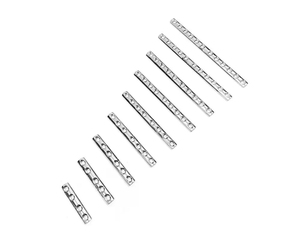
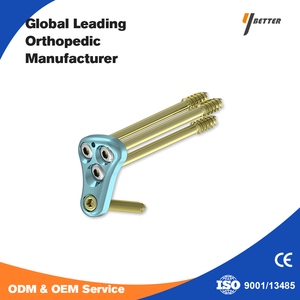
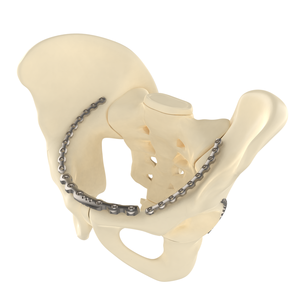
Our trauma portfolio features variable-angle and monoaxial locking compression plates (LCP) constructed from medical-grade titanium alloy and stainless steel. Designed with anatomical pre-contouring, these plates reduce the need for intraoperative bending while minimizing soft-tissue disruption. Key systems include:
Spinal stabilization demands strict fatigue strength and mechanical endurance. Our thoracolumbar pedicle screw systems feature dual-lead threads for fast insertion, friction-fit heads for easy rod positioning, and low-profile tulips to avoid muscle impingement.
Low-profile 1.5mm, 2.0mm, and 2.4mm micro and mini plating systems for orbitozygomatic, midface, and mandibular reconstruction. Micro-machined titanium screws prevent stripping under minimal torque.
Responding to the rapid growth of veterinary orthopedics, we provide dedicated 1.5mm/2.0mm/2.7mm/3.5mm TPLO plates, micro bone files, raspatories, and AO-style quick-coupling instrument sets tailored for veterinary hospitals and distributors.
To assist procurement officers in evaluating material integrity, the following matrix outlines the standardized grades used across our manufacturing lines:
| Material Type | Standard Grade | Tensile Strength (MPa) | Biocompatibility Standard | Primary Clinical Application |
|---|---|---|---|---|
| Titanium Alloy (Ti-6Al-4V ELI) | ASTM F136 / ISO 5832-3 | ≥ 860 | ISO 10993 / ASTM F981 | Locking Plates, Pedicle Screws, Trauma Pins |
| Commercially Pure Titanium | ASTM F67 / ISO 5832-2 | ≥ 240 to 550 | ISO 10993 | CMF Mesh, Reconstructive Plates |
| Implant-Grade PEEK | ASTM F2026 | ≥ 90 | ISO 10993 / USP Class VI | PLIF / TLIF / Cervical Fusion Cages |
| Surgical Stainless Steel | ASTM F138 (316LVM) | ≥ 860 | ISO 10993 | Temporary Trauma Fixation, Bone Files, Drills |
Key market forces shaping international supply chains, product design, and white label procurement over the next decade.
Standard monoaxial locking plates are rapidly giving way to Variable-Angle (VA) locking compression plates. VA technology allows surgeons to angle screws up to 15 degrees off-axis in any direction, providing target-specific screw placement around complex articular fractures. Chinese exporters are investing heavily in specialized tap design and multi-thread plate geometries to capture this market shift.
Direct Metal Laser Sintering (DMLS) in additive manufacturing enables the creation of biomimetic trabecular titanium structures that promote rapid osseointegration. White label suppliers are combining PEEK cages with porous titanium endplates, providing the ideal modulus of elasticity alongside direct bone ingrowth surfaces.
With the European Union MDD to MDR transition, non-compliant suppliers are being filtered out of the market. Leading Chinese exporters are proactively obtaining CE certification under MDR, maintaining complete raw material heat traceability, establishing post-market surveillance (PMS) channels, and providing full STED-format technical files for international partners.
Hospitals are aiming to reduce sterilization costs and cross-contamination risks. The industry is moving toward pre-sterilized, sterile-packaged individual implants and disposable single-use instrument kits. White label manufacturers are expanding ISO Class 7 cleanroom packaging lines to deliver sterile, shelf-ready products directly to healthcare facilities.
Clear, definitive answers to standard compliance, OEM production, logistics, and quality assurance inquiries.
Our trauma plates and bone screws are machined from implant-grade Titanium Alloy (Ti-6Al-4V ELI per ASTM F136 / ISO 5832-3), Commercially Pure Titanium (ASTM F67), and Surgical Stainless Steel (ASTM F138 / 316LVM). Interbody spinal fusion cages are manufactured using certified implant-grade PEEK (ASTM F2026) equipped with radiopaque tantalum markers. Mill Test Certificates (MTC) are supplied with every shipment batch.
We provide full technical documentation required by international health authorities (such as US FDA, EU MDR, MoH, and ANVISA). This includes ISO 13485 quality system certificates, CE mark certificates, raw material origin and test reports, biocompatibility test data (ISO 10993), mechanical fatigue test reports, Instructions for Use (IFU), and draft packaging/label samples customized with your brand details.
Yes. We provide comprehensive, surgery-ready instrument sets designed for every implant line (including trauma locking plates, cannulated screws, spinal pedicle screws, and CMF micro systems). Instrument kits are supplied in sterilizer-safe graphic aluminum boxes, complete with silicone holding brackets, color-coded drill bits, quick-coupling screwdrivers, torque limiters, and depth gauges.
We offer end-to-end OEM and private label services. This includes high-precision fiber laser etching of your company logo, custom part numbers, matrix codes, and lot numbers on implants and instruments. We also support custom color anodization (titanium color coding by screw diameter/plate type), custom graphics on sterilization trays, and customized primary cleanroom pouch packaging.
MOQs depend on the product category. Standard trauma plates and bone screws typically have low MOQs for initial evaluation orders. Standard catalog items ship within 15–30 days. Custom OEM/ODM developments requiring specialized tooling or custom extrusion profiles typically range from 45 to 60 days including initial sample verification.
Our quality control protocol follows ISO 13485 standards through a 4-tier inspection process: 1) Incoming Raw Material Inspection via optical emission spectroscopy and ultrasonic flaw detection; 2) In-Process Inspection using automated 3D optical measuring systems and thread gauges; 3) Post-Anodization & Cleaning Inspection; 4) Pre-shipment Batch Sampling & Final Release Verification.
Looking to expand your product catalog, lower your procurement costs, or initiate custom private-label manufacturing? Contact our medical engineering sales team today for technical catalogs, sample evaluation sets, and competitive OEM quotations.