Precision-Engineered Class II Orthopedic Implants & Systems
Certified medical titanium and implant-grade PEEK solutions engineered for trauma recovery, spinal fusion, and reconstructive surgery.
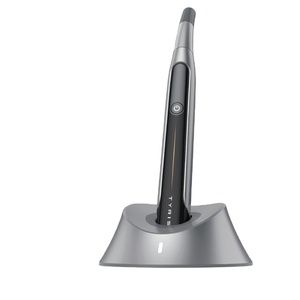
Tyris MD-100 Implant Stability Osseointegration Monitor with User-Friendly Interface
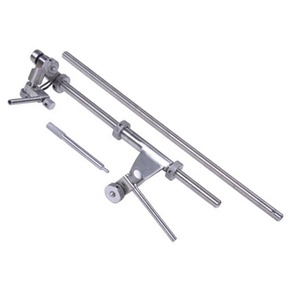
CE Approved Femoral Distractor Complete Set Orthopedic Medical Surgical Instrument Stainless Steel Autoclavable
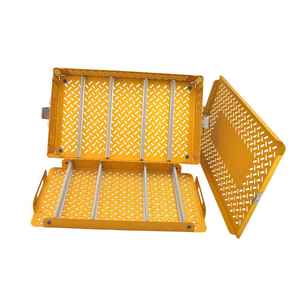
Stainless Steel Surgical Instruments Sterilization Box for Orthopaedic Implant and Cortical Screw Manual
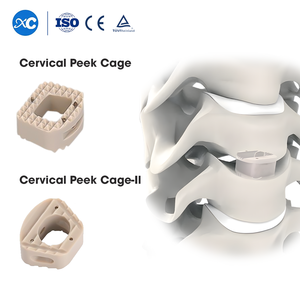
ISO Medical Lumber Implantes Quirurgicos Ortopedicos Spinal Fusion Internal Fixation ACDF Interbody Cervical Peek Cage Implants
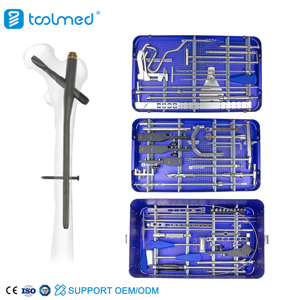
Orthopedic Implant PFNA Femoral Intramedullary Nail Orthopedic Instrument Set Orthopedic Titanium Trauma Nail Implants
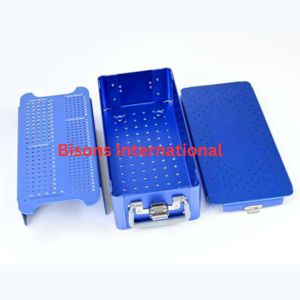
BISONS High Quality CE Certified Class I Orthopedic Implant Screw Sterilization Box Stainless Steel Surgical Instrument Manual
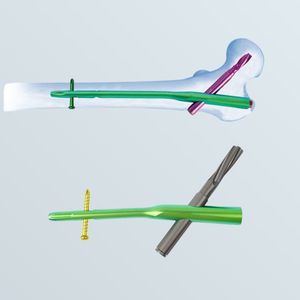
Premium Pfna Intramedullary Nail Wholesale Orthopedic Implant for Femur Intertrochanteric Bone Fracture
Global Sourcing Dynamics: China’s Role as a Leading Class II Medical Device Exporter
The global orthopedic implant market is undergoing a profound structural evolution. Sourcing managers, hospital procurement consortiums, and medical device distributors increasingly evaluate supply chains based on rigorous regulatory compliance, metallurgical precision, and continuous material innovation. Within this landscape, China has transitioned from a high-volume component producer into a primary global hub for Class II medical device orthopedic manufacturing.
Class II orthopedic devices—encompassing locking compression plates (LCP), trauma screw systems, intramedullary nails (PFNA/Gamma), anterior cervical fusion plates, and PEEK interbody cages—demand flawless dimensional accuracy, verified biocompatibility, and strict adherence to international quality management protocols such as ISO 13485. Leading Chinese manufacturers like Orthovana Medical Co., Ltd are driving this shift by pairing advanced multi-axis CNC Swiss machining infrastructure with comprehensive metallurgical quality assurance.
Why International Buyers Partner with Orthovana Medical
Bridging clinical excellence with precision engineering to deliver reliable, surgery-ready orthopedic systems.
Medical-Grade Alloys & PEEK
Implantable components are precision-machined exclusively from certified Ti-6Al-4V ELI (ASTM F136), commercially pure titanium (ASTM F67), and implant-grade PEEK-OPTIMA® featuring radiopaque markers for anatomical tracking.
Sub-Micron Machining Precision
Utilizing high-precision multi-axis CNC Swiss-type automatic lathes (Citizen & Star) ensures micrometric accuracy across anatomical contours, thread pitches, and variable locking angle mechanics.
Rigorous ISO 13485 Quality System
Every production lot undergoes 100% full-process traceability—from raw billet spectral testing and CMM dimensional validation to electrochemical surface anodization and final cleanroom packaging.
Comprehensive Registration Dossiers
Supporting international distributors with technical registration files, material mill certificates, bio-compatibility reports (ISO 10993), IFUs, and labeling compliance for tender submissions.
Surgery-Ready Instrument Kits
Complete product systems are paired with color-coded, autoclavable surgical instrumentation and hard-anodized sterilization boxes, engineered to reduce intra-operative setup time.
Global OEM & Private Label Solutions
Flexible contract manufacturing capability enabling multinational brand owners to produce custom anatomical geometries, laser-etched branding, and market-specific packaging options.
Material Performance & Biomechanical Engineering Standards
Selecting appropriate raw materials directly dictates the osteosynthesis efficacy, fatigue life, and stress-shielding behavior of Class II medical implants. Modern orthopedic trauma and spinal fixation systems utilize distinct material classes engineered to match human cortical bone mechanics.
| Material Standard | Tensile Strength (MPa) | Elastic Modulus (GPa) | Primary Clinical Applications | Key Mechanical Advantages |
|---|---|---|---|---|
| Ti-6Al-4V ELI (ASTM F136) | ≥ 860 MPa | 110 GPa | Trauma Plates, PFNA Nails, Pedicle Screws | Exceptional fatigue endurance, lightweight, MRI conditional, high strength-to-weight ratio. |
| Commercially Pure Ti (ASTM F67) | 240 – 550 MPa | 105 GPa | Maxillofacial Mini Plates, Cranial Meshes | Superior anatomical malleability, excellent tissue tolerance, easy intra-operative bending. |
| Implant-Grade PEEK (ASTM F2026) | 170 MPa (Flexural) | 3.6 GPa | ACDF, TLIF, PLIF Interbody Fusion Cages | Radiolucent for artifact-free imaging; modulus close to cortical bone reduces stress shielding. |
| 316L Stainless Steel (ASTM F138) | ≥ 860 MPa | 200 GPa | Surgical Distractors, Sterilization Trays | High rigidity, exceptional wear resistance, cost-effective reusable surgical instruments. |
In spinal fusion cages, for instance, PEEK (Polyetheretherketone) possesses an elastic modulus (3.6 GPa) far closer to native human cancellous and cortical bone than metallic alloys. This biomechanical alignment mitigates the risk of cage subsidence into adjacent vertebral endplates while enabling clear radiolucent monitoring via embedded tantalum X-ray markers.
Future Sourcing & Technology Development Trends in Orthopedic Devices
Procurement teams must anticipate technological shifts to maintain long-term competitive advantages. Over the next five to ten years, four macro-trends will define Class II medical device sourcing from China:
1. Transition to Variable-Angle Locking Mechanics
Standard mono-axial locking plates are being rapidly superseded by Variable-Angle Locking Compression Systems (VALCP). These systems allow surgeons to trajectory-steer bone screws within a 30-degree cone, improving screw purchase in osteoporotic bone fractures and complex periarticular trauma cases.
2. Smart Digital Intra-Operative Diagnostics
As showcased by the Tyris MD-100 Osseointegration Monitor, medical device ecosystems are expanding beyond passive implants. Real-time quantitative assessment of implant stability using Resonance Frequency Analysis (RFA) enables evidence-based post-operative loading decisions.
3. Surface Bio-Activation & Micro-Arc Oxidation
Future titanium implants feature nano-textured surfaces created via micro-arc oxidation (MAO) or hydroxyapatite (HA) plasma spraying. These electrochemical treatments accelerate early-stage osteoblast attachment and osteointegration, reducing clinical recovery times.
4. Eco-Conscious Modular Sterilization Trays
Global hospital networks are phasing out single-use plastic wrapping in favor of heavy-duty, reusable anodized aluminum and stainless steel sterilization containers. These trays streamline autoclave handling, protect instrument sets, and meet European environmental sustainability directives.
Frequently Asked Questions for International Medical Device Buyers
Essential regulatory, technical, and commercial answers for hospital buyers and distributors.