Featured Orthopedic Implant Systems & Surgical Supplies
Standardized trauma fixation hardware, spinal systems, and specialized veterinary instrumentation engineered for clinical reliability.
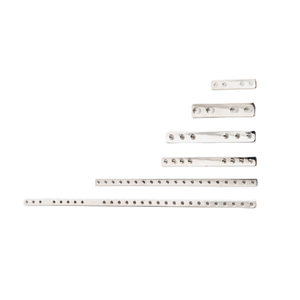
Fast Shipping MEDICA Brand CE Certified Stainless Steel Veterinary Orthopedic Trauma Implants 2.0/2.4/2.7mm Straight Neutral
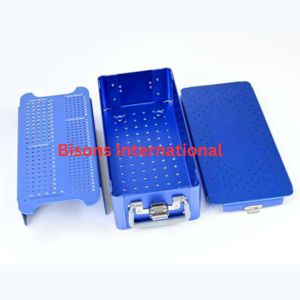
BISONS High Quality CE Certified Class I Orthopedic Implant Screw Sterilization Box Stainless Steel Surgical Instrument Manual
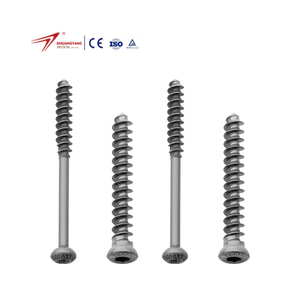
Shaungyang Medical Custom Orthopedic Surgical Trauma Implants Screw Orthopedic 4.0 Series Titanium Alloy Bone Cancellous Screws
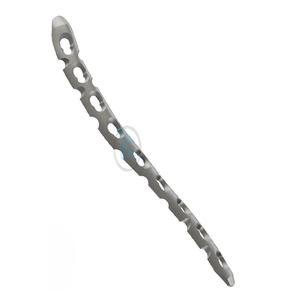
ISO Certified Top Selling Superior Anterior Clavicle Plate Orthopedic Implant 3.5mm Locking Compression for Orthopedic Surgery
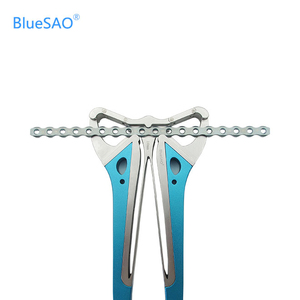
Wholesale Price Bluesao Veterinary Bone Implants Titanium Orthopedic Implants
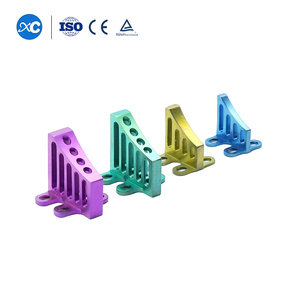
Orthopedic Veterinary Trauma Implant TTA System Surgical Instrument & Interventional Materials Veterinary Instrument
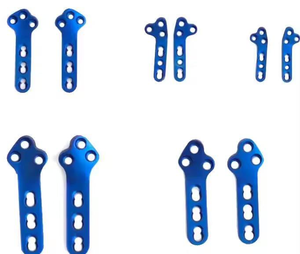
Veterinary Orthopedic Implant Plate System for Animal Bone Fracture Repair Stabilization Reconstruction and Surgical Management
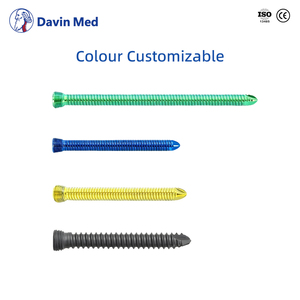
Davin Med Titanium Locking Screw 1.5/2.0/2.4/2.7/3.5/5.0mm Bone Screw Orthopedic Implant CE ISO Manufacturer In China
Executive Summary: The Evolving Landscape of Global Orthopedic Procurement
The global orthopedic implant and trauma fixation market is undergoing a structural paradigm shift driven by stringent regulatory frameworks (such as EU MDR 2017/745 and FDA 510(k) updates), rising clinical demand for specialized anatomical fixation systems, and high-volume demand across human and veterinary surgical sectors. For hospital procurement executives, regional medical device importers, and OEM brand managers, sourcing high-grade orthopedic hardware is no longer merely a pricing exercise; it is an extensive risk mitigation process requiring deep technical verification.
Qualified orthopedic implant distributors and original equipment manufacturer (OEM) exporters serve as the vital backbone connecting advanced metallurgical precision engineering with clinical operating rooms worldwide. From ultra-low profile trauma plates machined from Ti-6Al-4V ELI (ASTM F136) titanium alloy to radiolucent PEEK interbody fusion cages and high-durability stainless steel veterinary fixators, modern procurement demands uncompromising adherence to dimensional tolerances, surface anodization standards, and complete lot-level heat traceability.
Information Gain Insight: Selecting an export partner requires auditing five core technical vectors: raw material mill test reports (MTR), dynamic fatigue test resistance (ASTM F382/F543), multi-axis CNC surface integrity, cleanroom packaging standards (Class 10,000 / ISO 7), and complete regulatory documentation support for local market registration.
Top 10 Global Orthopedic Implant Distributors & Exporters Matrix
An evaluation of dominant regional supply hubs, export capabilities, regulatory compliance standards, and product specialization across global medical trade corridors.
North American Tier-1 Exporters
United States & CanadaDominating high-value joint reconstruction and complex spinal fusion devices, North American distribution networks lead in R&D innovation and FDA 510(k) clearances. However, high unit costs often drive international buyers toward high-quality qualified OEM partners for standard trauma hardware.
Central European Precision Suppliers
Switzerland & GermanyRenowned for Swiss-lathe micromachining and specialized maxillofacial plating systems. European exporters set high benchmarks for surgical instrument ergonomics and CE mark compliance under EU MDR, focusing primarily on premium clinical segments.
East Asian High-Capacity OEM Exporters
China (Orthovana Medical Hub)Leading global export volumes for trauma locking compression plates, cannulated screws, spinal pedicle screws, and veterinary systems. Combines state-of-the-art 5-axis CNC infrastructure with strict ISO 13485 quality systems, offering unbeatable cost-to-quality ratios for international brands.
South Asian High-Volume Exporters
IndiaA key exporter of price-competitive stainless steel trauma pins, external fixators, and basic bone screws. Primarily serves price-sensitive tenders across developing healthcare sectors with standard surgical hardware.
Western European Specialist Networks
United Kingdom & FranceFocused on specialized hip/knee revision systems, custom patient-matched implants, and specialized veterinary orthopedics. They emphasize strong surgeon training protocols and localized clinical trial data.
Latin American Regional Consortia
Brazil & MexicoMajor regional distribution hubs managing complex import logistics and ANVISA registrations. They bridge international OEM manufacturers with public hospital networks across South America.
Middle Eastern Healthcare Procurement Hubs
UAE & Saudi ArabiaHigh-capital procurement centers sourcing premium spine, trauma, and CMF fixation platforms for modern healthcare cities. They require extensive regulatory dossier compliance and fast turnaround times.
Southeast Asian Supply Gateways
Singapore & MalaysiaCrucial re-export hubs providing regional quality assurance auditing, cleanroom packaging, and rapid logistics dispatch for both human orthopedic lines and veterinary surgery setups.
Eastern European Contract Suppliers
Poland & Czech RepublicGrowing contract manufacturing and distribution centers delivering specialized joint replacement components and trauma fixation hardware tailored for European public healthcare system tenders.
Australasian Innovation Exporters
Australia & New ZealandSpecialized developers in veterinary orthopedic implants (TTA and TPLO systems) and biological bone substitutes, delivering advanced solutions to worldwide veterinary surgical institutions.
Material Engineering & Metallurgical Benchmarks for Implants
Selecting the optimal material platform is essential to ensure biocompatibility, osseointegration, fatigue resistance, and artifact reduction during MRI/CT imaging. Below is a comparative technical analysis of standardized implant materials provided by tier-1 global exporters.
| Material Grade | Standard Compliance | Tensile Strength (MPa) | Biocompatibility & Corrosion | Primary Clinical Applications |
|---|---|---|---|---|
| Ti-6Al-4V ELI | ASTM F136 / ISO 5832-3 | ≥ 860 MPa | Excellent passivated oxide layer; low MRI artifact. | Locking plates, pedicle screws, trauma bone screws, CMF. |
| CP Titanium (Grades 2-4) | ASTM F67 / ISO 5832-2 | 480 – 680 MPa | Superior soft tissue response; highly ductile. | Cranial plates, low-load reconstruction, micro CMF systems. |
| Implant-Grade PEEK | ASTM F2026 | 170 – 210 MPa (Modulus ~3.5 GPa) | Radiolucent; elastic modulus closely matches cortical bone. | Interbody fusion cages (TLIF, PLIF, Cervical), spinal spacers. |
| 316LVM Stainless Steel | ASTM F138 / ISO 5832-1 | ≥ 860 MPa | High mechanical strength; requires nickel sensitivity checking. | Veterinary trauma hardware, temporary pin fixation, surgical tools. |
Strategic Sourcing Trends & Technological Innovations (2025–2030)
As healthcare procurement shifts toward value-based surgical outcomes, global distributors and exporters are adapting to several critical technological innovations and purchasing models:
Variable Angle Locking Systems
Polyaxial locking compression technology allows surgeons to trajectory-steer screws (typically ±15°) within anatomical plates, dramatically improving purchase in osteoporotic or multi-fragmentary fractures.
3D Printed Porous Titanium
Additive manufacturing using Electron Beam Melting (EBM) or Selective Laser Melting (SLM) enables the creation of Trabecular-like porous structures that accelerate biological bone ingrowth in spinal fusion and acetabular cups.
Rapid Veterinary Expansion
Veterinary orthopedics (TPLO, TTA, and micro-locking plates) represents one of the fastest-growing export categories worldwide, demanding specialized instrument sets with human-grade titanium alloys.
Why Leading Global Distributors Partner With Us
Built on precision engineering, standardized quality management systems, and comprehensive international registration support.
Strict ISO 13485 Compliance
Our manufacturing facilities operate strictly under ISO 13485 quality management guidelines. Every production run undergoes automated CMM dimensional checks, thread gauge verification, and surface anodization inspections.
Complete Regulatory Dossiers
We empower our international distribution partners with raw material test reports (MTR), certificate of analysis (CoA), instructions for use (IFU), sterilization validation protocols, and labeling artwork for local health authority filings.
OEM & Private Label Customization
Full support for private-label laser marking (UDI barcoding, brand logo, lot codes), customized tray layout configurations, matched stainless steel surgical instrument kits, and dedicated sterilization box branding.
Frequently Asked Sourcing & Technical Questions
Essential details for hospital procurement committees, medical device importers, and OEM brand buyers.
What certified material grades are utilized in your orthopedic implants?
What documentation can distributors obtain for regional health authority registration?
Do implants ship with matching surgical instrument sets and sterilization trays?
How do you support OEM, private-label branding, and custom plate design?
What is the quality control and lot traceability protocol for each shipment?
What are the standard order lead times and international shipping logistics?
Ready to Expand Your Orthopedic Implant Portfolio?
Partner with a certified orthopedic manufacturer trusted by distributors and hospitals across 50+ countries. Request technical catalogs, product samples, or a competitive quotation today.
Contact Us