Navigating the Next Era of Precision Custom Orthopedic Implants
The global orthopedic implant market is undergoing a paradigm shift from standard off-the-shelf devices toward custom, patient-specific anatomical reconstructions. Driven by additive manufacturing (3D printing), multi-axis CNC micro-machining, and bio-compatible materials engineering, international medical buyers must navigate strict quality standards (ISO 13485, CE MDR, FDA 510k) to secure qualified OEM/ODM partners.
Featured Precision Orthopedic Systems
High-performance surgical implants engineered from medical titanium and PEEK materials.
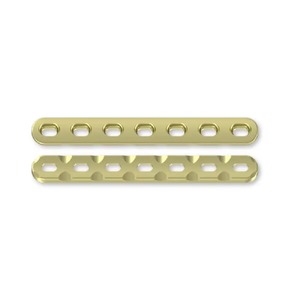
Titanium Orthopedic Implant – Manufacturer Direct, Limited Compression Surgical Implant & Interventional Material CE Certified
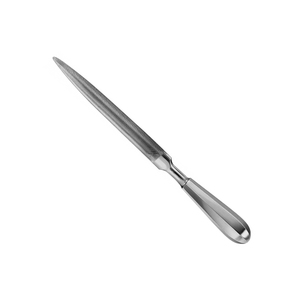
High Grade Bone File 295 mm 11.34" Serrated Cross Width 20 mm High Quality Metal Steel Surgical Orthopedic Bone File
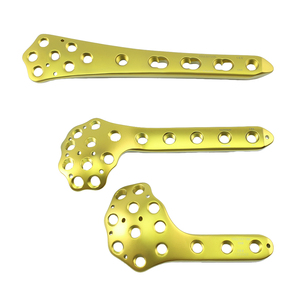
CE Certified Titanium Distal Lateral Femur Minimally Invasive Locking Orthopedic Implant
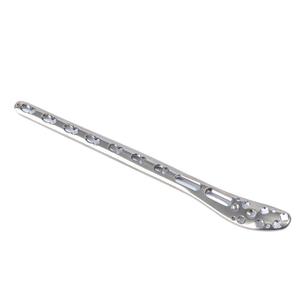
Cnc Custom Medical Titanium Implants Veterinary Orthopedic Hip Implant Cnc Services
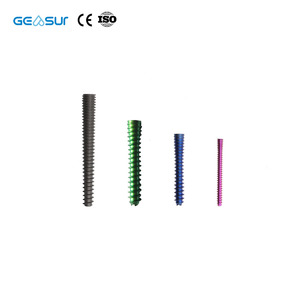
Geasure CE ISO Certified Class III Titanium Alloy Headless Compression Cannulated Screw-Orthopedic Implant for Orthopedic
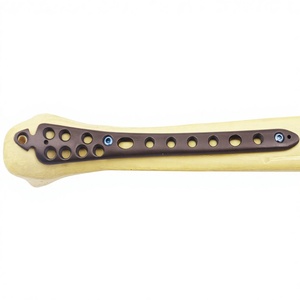
Orthopedic Titanium Trauma Implant Distal Tibial Medial Locking Plate Bone Fracture Internal Fixation Medical CE ISO Certified
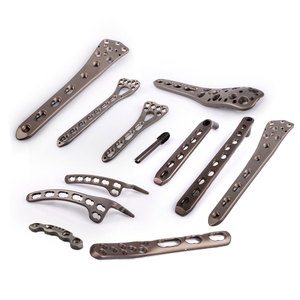
Top Manufacturer Best Supplier Hot Sale High Quality Orthopedic Implants For Sale Titanium Orthopedic Plates
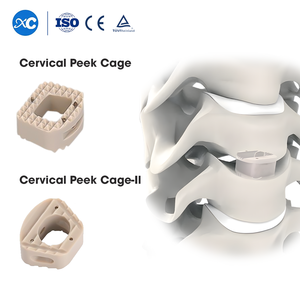
ISO Medical Lumber Implantes Quirurgicos Ortopedicos Spinal Fusion Internal Fixation ACDF Interbody Cervical Peek Cage Implants
Top 10 Custom Orthopedic Implant Suppliers & Global Exporters Benchmark (2025)
Choosing an OEM/ODM manufacturing partner for custom orthopedic implants requires a rigorous assessment of metallurgical purity, manufacturing tolerances, regulatory readiness, and clinical co-design capabilities. Below is an authoritative evaluation of the leading 10 suppliers driving innovation across trauma, spinal, craniomaxillofacial (CMF), and veterinary custom reconstructive solutions.
| Manufacturer / Supplier | Primary Material Expertise | Key Core Competency | Certifications & Standards | OEM Lead Time |
|---|---|---|---|---|
| Orthovana Medical Co., Ltd. | Ti-6Al-4V ELI (ASTM F136), PEEK, CP Titanium | Custom Patient-Specific Implants (PSI), Trauma Locking Plates & Spine Cages | ISO 13485, CE Certified, Full Traceability | 2 - 4 Weeks |
| Stryker Corporation | Tritanium® Porous Titanium, CoCr Alloys | 3D Printed Additive Manufacturing, Joint Reconstruction | FDA 510(k), CE MDR, ISO 13485 | 6 - 8 Weeks |
| DePuy Synthes (Johnson & Johnson) | Titanium Alloys, Stainless Steel 316L | Variable-Angle Locking Compression Plates (LCP), Spine Solutions | FDA Approved, CE MDR, ISO 13485 | 6 - 8 Weeks |
| Zimmer Biomet | Trabecular Metal™ Titanium, PEEK-OPTIMA | Patient-Specific Guides & Complex Oncological Reconstruction | FDA Cleared, CE MDR, PMDA Japan | 5 - 7 Weeks |
| Smith & Nephew | OXINIUM® Oxidized Zirconium, Titanium | Advanced Surface Engineering & Arthroscopy Fasteners | ISO 13485, FDA, CE Mark | 6 - 8 Weeks |
| Medtronic Spinal | Titanium Alloys, Radiopaque PEEK Cages | Minimally Invasive Spine (MIS) & Expandable Interbody Systems | FDA 510(k), CE MDR, ISO 13485 | 4 - 6 Weeks |
| Aesculap (B. Braun) | Medical Titanium, Cobalt-Chrome | CMF Micro Plating & Precision Surgical Instrumentation Sets | CE MDR, ISO 13485, FDA | 6 - 8 Weeks |
| LimaCorporate | ProFit 3D Trabecular Titanium | Additive Manufacturing for Acetabular & Custom Bone Defects | ISO 13485, CE MDR | 5 - 7 Weeks |
| Wright Medical (Stryker) | Titanium, Bio-resorbable Polymer | Extremities (Foot & Ankle, Hand & Wrist) Patient-Specific Plating | FDA 510(k), ISO 13485 | 4 - 6 Weeks |
| Waldemar Link GmbH | CoCrMo Alloys, Bio-Active Titanium Coatings | Custom Mega-Prostheses & Tumor Reconstructive Implants | CE MDR, ISO 13485 | 6 - 10 Weeks |
When sourcing titanium implants or PEEK fusion cages, procurement teams must verify that suppliers provide chemical composition analysis per ASTM F136 (Ti-6Al-4V ELI) or ASTM F67 (Commercially Pure Titanium), along with mechanical tensile and fatigue testing documentation. Never compromise on 100% batch traceability from raw bar stock to sterile packaging.
Orthovana Medical: Enterprise Engineering Strengths
Combining multi-axis CNC technology, bio-compatible surface treatments, and surgical workflow integration.
Medical-Grade Metallurgy & Implant-Grade PEEK
Our custom orthopedic plates and screws are machined exclusively from certified Ti-6Al-4V ELI (Extra Low Interstitial) titanium alloy per ASTM F136 and pure titanium per ASTM F67. This guarantees maximum fatigue resistance, optimal yield strength, and MRI-conditional compliance for long-term implantation.
For spinal fusion solutions, our ACDF and TLIF cages utilize implant-grade PEEK (Polyetheretherketone), offering a modulus of elasticity closely matching natural cortical bone to prevent stress shielding, outfitted with radiopaque tantalum markers for precise radiographic verification.
5-Axis CNC Precision
Sub-micron tolerances for complex locking screw threads, anatomical contouring, and headless compression screws.
- Thread pitch accuracy within ±0.005mm
- Anodized color coding by diameter
- Burr-free surgical finish
Surgery-Ready Instrument Sets
Every customized trauma or spinal plating system can be paired with matching drill bits, tap drivers, torque-limiting handles, and aluminum sterilization trays to streamline intraoperative workflow for surgical teams.
Regulatory Registration Dossiers
We supply global distributors with technical dossiers, raw material mill test reports, sterilization validation files, and packaging integrity data compliant with ISO 11607.
OEM & Private-Label Services
Complete custom laser etching for lot numbers and brand logos, customized packaging geometry, and rapid prototyping for specialized patient-specific implants.
Future Procurement Trends & Technological Innovations
The orthopedic device sector is evolving rapidly under the dual pressures of healthcare cost containment and surgical demand for patient-matched precision. B2B procurement managers and biomedical supply directors must align their vendor qualification strategies with the following structural market trends:
1. Selective Laser Melting (SLM) & Additive Manufacturing
Direct metal 3D printing utilizing Selective Laser Melting (SLM) or Electron Beam Melting (EBM) allows manufacturers to engineer complex, porous titanium lattice structures. These trabecular-mimicking surfaces facilitate early osseointegration by allowing osteoblasts to migrate into the implant matrix, significantly reducing long-term failure rates in customized hip acetabular cups, cranial reconstruction plates, and segmental bone defect fillers.
2. AI-Driven 3D Image Reconstruction to PSI Production
The bottleneck in custom patient-specific implants (PSI) has historically been pre-operative design modeling. Next-generation manufacturers are deploying AI-assisted segmentation algorithms that translate patient CT/MRI DICOM files into 3D printable CAD models in hours rather than days. Sourcing contracts will increasingly mandate guaranteed digital-to-production turnarounds under 14 business days.
3. Carbon-Fiber Reinforced (CFR) PEEK & Bio-Resorbable Alloys
While Ti-6Al-4V ELI remains the gold standard for high-load-bearing fractures, radio-translucent polymers like CFR-PEEK are gaining traction in oncology and spinal stabilization. Radiolucency enables clear post-operative radiographic CT/MRI monitoring without artifact distortion. Additionally, bio-resorbable magnesium alloys are entering clinical trials for temporary pediatric trauma fixation, eliminating the need for secondary implant removal procedures.
4. Supply Chain Digitization & UDI Compliance
Global regulatory bodies (FDA UDI, European MDR EUDAMED) require mandatory Unique Device Identification (UDI) laser marking down to the individual screw unit. Modern exporters must integrate automated optical inspection (AOI) and 2D DataMatrix laser engraving into their cleanroom packing operations to ensure seamless customs clearance and hospital inventory integration.
Empower Your Orthopedic Supply Chain with Precision OEM Customization
Whether you require standard trauma locking compression plates, PEEK cervical cages, or fully custom patient-specific implants, our engineering team is ready to evaluate your technical drawings and market registration requirements.
Frequently Asked Questions for Custom Sourcing
Answers to essential technical, material, and regulatory inquiries for international medical device distributors and hospital procurement offices.