Precision Engineered Orthopedic & Dental Implants
Explore our high-precision titanium alloy and PEEK medical devices, manufactured with indelible UDI direct-part marking for global regulatory compliance.
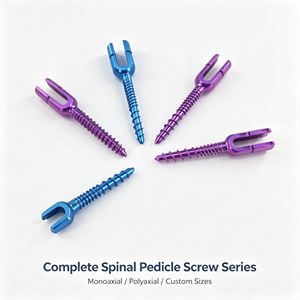
Custom OEM ODM Medical Grade Titanium Alloy Spine Fixation Pedicle Screws and Rods System Factory Direct Orthopedic Implants
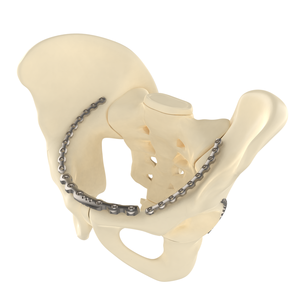
CANWELL CE/ISO Certified Stainless Steel Orthopedic Trauma 3.5mm Pelvic Locking Plate Curved Bone Fixation Implant Anatomical
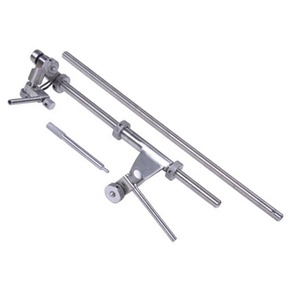
CE Approved Femoral Distractor Complete Set Orthopedic Medical Surgical Instrument Stainless Steel Autoclavable
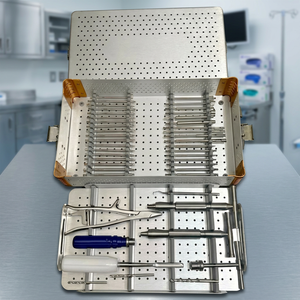
Orthopedic Spine Implant Removal Kit Manual Stainless Steel 54 Surgical Tools Extracting Broken Screws Damaged Bone Implants
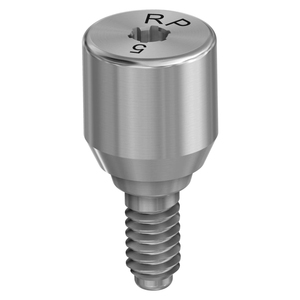
Custom Prosthetic Abutment OEM Internal Hex Conical Morse Taper Compatible Implant Titanium CNC Dental Laboratory Factory
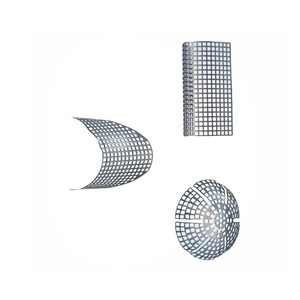
Competitive Price Titanium Alloy Material MESH Orthopedic Implants for Hospital
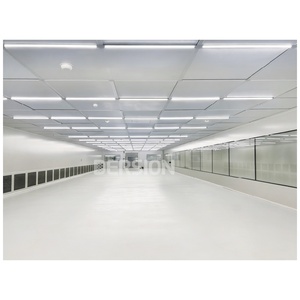
Orthopedic Implant Cleanroom Manufacturer Packaging & Sterilization Ready Solutions
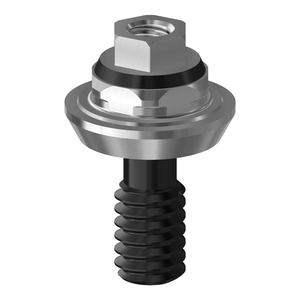
Dental Implant Compatible Parts Internal Connection Titanium Healing Abutment Scan Post Crown Restoration Multi-Platform
The Engineering & Regulatory Standard for OEM/ODM UDI Marking Orthopedic Implants
Navigating global healthcare compliance: How fiber-laser direct part marking (DPM), state-of-the-art titanium machining, and ISO 13485 quality systems safeguard clinical efficacy and supply chain transparency.
1. Understanding UDI Regulatory Directives: FDA 21 CFR 801.20 & EU MDR 2017/745
The global medical device landscape has shifted permanently toward stringent, unyielding traceability. Unique Device Identification (UDI) systems mandated by the US FDA (under 21 CFR 801.20) and the European Union Medical Device Regulation (EU MDR 2017/745) require every surgical implant—from trauma locking plates to spinal pedicle screws and interbody fusion cages—to bear a machine-readable barcode and human-readable text directly on the device or its sterile barrier packaging.
For orthopedic B2B buyers, medical device distributors, and private-label OEMs, partner selection hinges on a supplier's capability to deliver GS1-compliant 2D DataMatrix direct-part laser marking. The UDI identifier comprises two critical elements:
- Device Identifier (UDI-DI): A mandatory, fixed numeric or alphanumeric code specific to a model, specification, and manufacturer (GTIN).
- Production Identifier (UDI-PI): Dynamic operational data incorporating batch/lot numbers, manufacturing dates, expiration dates, and distinct serial numbers for high-risk Class III implants.
Technical Insight: Our proprietary fiber laser annealing process generates high-contrast 2D DataMatrix codes without breaching the protective titanium oxide passivation layer, preventing local corrosion micro-pitting in load-bearing orthopaedic implants.
2. Metallurgical Integrity: Fiber Laser Annealing vs. Surface Material Removal
Traditional laser engraving relies on surface ablation, which removes material by vaporizing metal. In orthopedic trauma and spinal fixation devices subjected to millions of cyclic load cycles (fatigue stress), surface ablation creates structural notch effects, stress concentration zones, and micro-cracks that drastically compromise fatigue strength.
As a specialized OEM/ODM UDI marking orthopedic implants exporter, our facility employs non-ablative laser annealing. By utilizing controlled infrared fiber lasers (1064 nm wavelength), energy is focused into the sub-surface thermal zone of medical-grade Titanium Alloy (Ti-6Al-4V ELI per ASTM F136) or Stainless Steel (316LVM / ASTM F138). This thermally induces localized oxidation, creating a dark, highly readable oxide mark beneath the polished surface without altering microscopic dimensions or inducing structural stress risers.
| Parameter / Feature | Sub-Surface Laser Annealing (Our Standard) | Traditional Material Ablation / Etching | Chemical Ink / Screen Printing |
|---|---|---|---|
| Passivation Integrity (ASTM F86) | Preserves passive TiO2 layer; zero micro-pitting | Destroys protective oxide layer; risks pitting corrosion | Non-compliant with implantable standards |
| Fatigue Resistance Impact | 0% reduction in endurance limit | Up to 15-25% reduction in fatigue strength | N/A (Layer delamination risk) |
| Autoclave & Gamma Sterilization | Indelible over 100+ sterilization cycles | Degrades, fills with bio-debris | Washes out or leaches chemicals |
| Barcode Verification Standard | ISO/IEC 15415 Grade A/B (GS1 2D DataMatrix) | Variable Grade C/D due to edge roughness | Fails machine vision verification |
3. OEM/ODM Precision Manufacturing & Cleanroom Processing
Precision contract manufacturing of orthopedic implants requires strict alignment between multi-axis Swiss CNC machining centers and cleanroom post-processing infrastructure. Our operations utilize 5-axis DMG MORI milling centers and Tsugami Swiss-type lathes capable of maintaining tight tolerances down to ±0.003 mm on complex anatomical contours, variable-angle locking threads, and Morse taper connections.
Following high-precision milling, implants undergo multi-stage aqueous ultrasonic cleaning to remove cutting fluids and particulate matter, followed by automated electrochemical anodization (Type II and Type III color coding). Implants are then routed directly into our certified ISO Class 7 (Class 10,000) Cleanroom for bioburden testing, direct-part laser marking verification, double-sterile pouch sealing, and final packaging.
Custom Metal & PEEK Machining
Sub-micron milling of Ti-6Al-4V ELI (ASTM F136), Commercially Pure Titanium Grade 2/4 (ASTM F67), and PEEK-OPTIMA for cervical and lumbar spinal fusion cages.
Full Regulatory Dossier Support
We supply international distributors with STED (Summary Technical Documentation), DHF/DMR files, biocompatibility testing (ISO 10993), and lot-level certificates.
Integrated Turnkey Toolkits
Complete surgical instrument sets (distractors, drill guides, screwdrivers, depth gauges) packed in custom autoclavable aluminum trays for immediate OR usage.
4. Future Procurement Trends in Global Orthopedic Implants (2025–2035)
Procurement executives in hospital networks, government health ministries, and medical distribution agencies are rapidly evolving their vendor selection criteria. Key macro trends reshaping the orthopedic contract manufacturing market include:
- Shift to Additive-Subtractive Hybrid Manufacturing: The integration of 3D porous titanium lattice structures (mimicking trabecular bone) with high-precision CNC subtractive machining for joint reconstruction and spinal fusion implants.
- Smart UDI & RFID Hybrid Tracking: Transitioning from simple visual 2D DataMatrix marks to embedded RFID chips within surgical instrument trays, providing real-time OR inventory tracking and automated sterilization cycle counts.
- MDSAP & Single-Audit Global Compliance: Distributors favor manufacturers holding Medical Device Single Audit Program (MDSAP) certification, enabling seamless market access across USA, Canada, Brazil, Japan, and Australia under one quality umbrella.
- Sustainable & Circular Cleanroom Packaging: Environmental regulations are driving demand for recyclable sterile barrier films and zero-waste protective transit packaging for bulk OEM orders.
Frequently Asked Questions for Global B2B Purchasing
Clear answers to critical technical, regulatory, and supply chain queries from medical device importers and distributor partners.
How does your facility guarantee UDI barcode readability after multiple hospital autoclave cycles?
We utilize sub-surface fiber laser annealing operating at 1064 nm wavelength. This thermally alters the titanium crystal structure beneath the outer oxide surface without material vaporization. The resulting black mark passes ISO/IEC 15415 2D DataMatrix optical verification at Grade A or B and withstands over 100 steam sterilization cycles (134°C at 2.1 bar) and ultrasonic baths without fading or corrosion oxidation.
What raw materials are used for your trauma plates, pedicle screws, and interbody cages?
Our trauma locking plates and spinal pedicle screws are machined exclusively from medical-grade Titanium Alloy (Ti-6Al-4V ELI per ASTM F136 / ISO 5832-3) and Commercially Pure Titanium (CP Gr 2/Gr 4 per ASTM F67). Interbody fusion cages are manufactured using radiolucent implant-grade PEEK-OPTIMA (per ASTM F2026) equipped with Tantalum X-ray markers for precise intra-operative visualization.
Can you support custom private-label branding, laser marking, and customized packaging for OEM partners?
Yes. We provide complete turnkey OEM/ODM services. We can laser mark your brand logo, specific part numbering system, custom GS1-128 or DataMatrix UDI barcodes, and supply private-label retail or sterile pouch packaging featuring your company branding, IFUs, and compliance labels aligned with your local health authority guidelines.
What documentation do you provide to assist with medical device registration in our target country?
We issue comprehensive regulatory support packs, including ISO 13485 certificates, CE certificates of conformity, raw material mill certificates (heat numbers), ISO 10993 biocompatibility test reports, cleanroom bioburden validation data, packaging shelf-life stability test reports, and complete STED / Technical Files required for ministry of health registrations.
What are your standard manufacturing lead times for custom OEM orders?
Standard production lead time for catalog titanium plates and pedicle screws is typically 3 to 4 weeks. For complete custom OEM/ODM implant developments involving custom tooling, forging, or complex 5-axis CNC programming, lead times range from 6 to 8 weeks, inclusive of prototype sample approval and cleanroom packaging validation.
Accelerate Your Orthopedic Supply Chain Today
Connect with our engineering technical team for direct product quotations, custom OEM/ODM drawing evaluations, and sample UDI marking validation sets.
Get a Quote