Engineering Excellence for Global Medical Device Distributors and B2B OEM Partners
The international market for orthopedic implants is undergoing a fundamental structural transformation driven by rising clinical standards, stringent global regulatory frameworks (including the EU MDR 2017/745 and US FDA 510(k) modernization), and an increasing healthcare demand for anatomically pre-contoured fixation platforms. As a dedicated OEM/ODM orthopedic implant manufacturer and factory partner, we deliver end-to-end contract manufacturing solutions tailored specifically to medical distributors, private-label brand owners, and hospital network suppliers.
Core OEM/ODM Orthopedic Implant & Instrument Portfolio
Examine our high-precision surgical product lines available for bulk distribution, private labeling, and custom engineering.
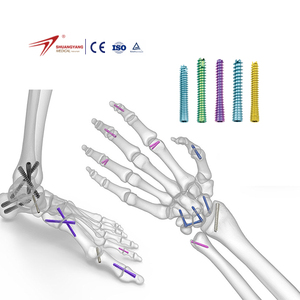
Shuangyang Price Titanium Orthopedic Screws Surgical Implants Herbert Cannulated Compression Screw Surgical Screws
Precision-machined from Ti-6Al-4V ELI titanium alloy (ASTM F136). Features dual-thread cannulation for minimally invasive scaphoid and intra-articular osteochondral fixation.
Contact Us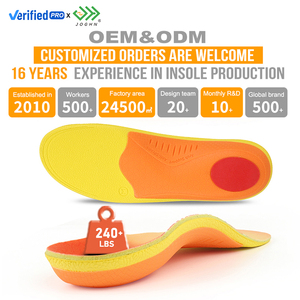
JOGHN Men Plantar Fasciitis High Arch Support Eva Foam Shoes Insoles Arch Support Custom Insole Manufacturer Orthopedic Insoles
Ergonomic medical-grade EVA foam insoles designed for conservative orthopedic gait alignment, plantar fasciitis pressure relief, and custom distributor branding.
Contact Us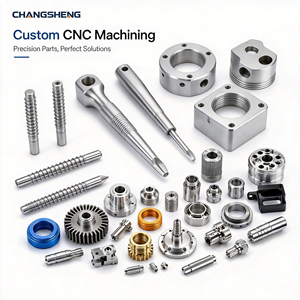
High Precision CNC Machining Custom Parts OEM Manufacturing Medical Surgical Tools Orthopedic Implants Medical Stainless Steel
Sub-micron 5-axis CNC Swiss turned components engineered from 316LVM surgical steel and titanium for customized surgical handles, drivers, and complex joint hardware.
Contact Us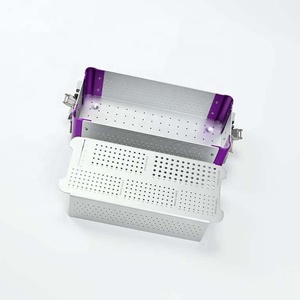
Veterinary Orthopedic Surgical Instruments Set Sterilization Box 1.5/2.0/2.4/2.7/3.5 Implant Screw Case
Comprehensive veterinary trauma kit equipped with color-coded drill bits, tap sleeves, torque limiters, and modular hard-anodized sterilization trays for micro-fixation.
Contact Us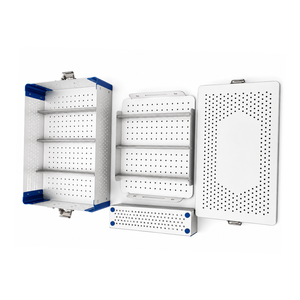
Complete Ariston International AI-DHS Box Medium Orthopedic Implant Instrument Storage Sterilization Box CE Certified Surgical
CE-certified Dynamic Hip Screw (DHS) instrument container constructed with high-temp PPSU lids and silicone insert mats designed for repeated 134°C autoclave sterilization.
Contact Us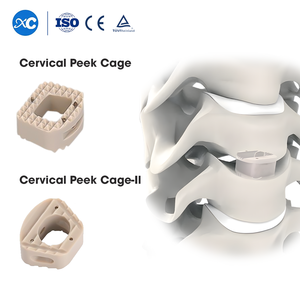
ISO Medical Lumber Implantes Quirurgicos Ortopedicos Spinal Fusion Internal Fixation ACDF Interbody Cervical PEEK Cage Implants
Biocompatible implant-grade PEEK OPTIMA cervical cage featuring radiolucent body structure, integrated Tantalum X-ray markers, and aggressive pyramid tooth serrations.
Contact Us
Orthopedic Spine Implant Removal Kit Manual Stainless Steel 54 Surgical Tools Extracting Broken Screws Damaged Bone Implants
Master 54-piece revision set containing reverse-threaded extraction taps, trephines, and universal socket extractors for removing damaged or cold-welded pedicle screws.
Contact Us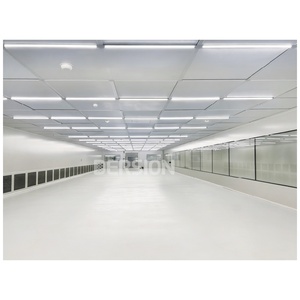
Orthopedic Implant Cleanroom Manufacturer
ISO 14644 Class 7/8 certified cleanroom packaging environment equipped with automated ultrasonic multi-stage washing, heat sealing, and bioburden control protocols.
Contact UsFuture Procurement Trends in the Orthopedic OEM/ODM Ecosystem
As hospital procurement boards and international distributors recalibrate their supply chain strategies, the demand for traditional commodity hardware is pivoting toward specialized OEM/ODM value drivers. Below are the key structural trends defining the next decade of orthopedic implant sourcing:
1. Additive & Hybrid CNC Manufacturing
The integration of 3D printing (Electron Beam Melting and Direct Metal Laser Sintering) with high-speed multi-axis CNC milling allows factories to manufacture implants with porous trabecular surfaces. These engineered micro-structures simulate cancellous bone morphology, dramatically improving osseointegration over smooth metal surfaces.
2. Stringent Regulatory Harmonization
With the global adoption of EU MDR guidelines and updated FDA post-market surveillance policies, distributors require OEM partners capable of providing complete Technical Files (STED format). Sourcing decisions are now conditioned on full raw material melt origin certificates, biomechanical fatigue validation, and cleanroom bioburden audit histories.
3. Carbon-PEEK & Radiotranslucent Polymers
While Ti-6Al-4V remains the gold standard for fracture plating, spinal fusion cages and oncological implants are increasingly transitioning to PEEK (Polyetheretherketone) and Carbon-PEEK composites. These materials eliminate artifact interference during post-operative CT and MRI imaging while providing an elastic modulus matching native bone.
Procurement Intelligence: Risk Mitigation in Global Medical Supply Chains
Distributors who rely exclusively on white-label re-sellers face margin compression and inventory vulnerabilities. Partnering directly with a vertically integrated OEM/ODM factory guarantees direct access to raw material safety stocks, stable unit pricing, and customized tooling modifications for regional market preferences.
Biomaterial Metallurgy & Technical Manufacturing Standards
The safety and mechanical longevity of surgical implants depend entirely on material purity, surface finishing technology, and geometric machining accuracy.
| Material / Parameter | Material Standard | Yield Strength (MPa) | Primary Clinical Application | Key Performance Advantage |
|---|---|---|---|---|
| Titanium Ti-6Al-4V ELI | ASTM F136 / ISO 5832-3 | ≥ 795 MPa | Trauma Locking Compression Plates, Pedicle Screws | Superior fatigue resistance, low density, high strength-to-weight ratio |
| Commercially Pure Titanium (CP-Ti) | ASTM F67 / ISO 5832-2 | 275 – 480 MPa | Maxillofacial Mini Plates, Cranial Fixation Mesh | Excellent malleability for intra-operative anatomical bending |
| Implant-Grade PEEK | ASTM F2026 | 110 – 130 MPa | ACDF & TLIF Spinal Interbody Fusion Cages | Radiolucent, match to human cortical bone elastic modulus (3.6 GPa) |
| 316LVM Stainless Steel | ASTM F138 / ISO 5832-1 | ≥ 690 MPa | Manual Surgical Extraction Kits, Drill Bits, Wire Pins | High torsional rigidity, maximum corrosion resistance in surgical stainless steel |
Surface Modifications
Implants undergo Type II Anodization (AMS 2488 standard) to enhance surface hardness, prevent cold-welding between screws and plate holes, and enable color-coding by thread diameter across surgical trays.
Biomechanical Fatigue Testing
All bone plate designs undergo dynamic 4-point bending fatigue evaluations under ASTM F382 protocols to guarantee 1,000,000 cyclic loading runs without micro-fracture or plastic deformation.
Sub-Micron CNC Tolerances
Utilizing Citizen multi-axis Swiss CNC lathes and DMG Mori 5-axis machining centers, thread pitch tolerances are held to within ±0.005mm, ensuring smooth insertion torque and secure locking purchase.
Why Global Distributors Choose Us as Their OEM/ODM Partner
From prototype design to validated sterile packaging, our manufacturing ecosystem provides an operational competitive edge.
Vertically Integrated Production
We manage raw titanium rod slicing, multi-axis machining, automated deburring, electro-polishing, laser etching, ultrasonic washing, and cleanroom sealing under a single centralized facility roof.
Full Batch Traceability
Every single manufactured screw and plate receives micro-laser marking with raw material heat codes, batch numbers, and standardized UDI barcodes to guarantee complete lot traceability.
Custom Tooling & Prototyping
Our dedicated R&D engineering team translates surgeon feedback into CAD/CAM models within 48 hours, delivering functional titanium prototypes for clinical verification in record time.
Distributor Procurement FAQ
Detailed answers to technical, regulatory, and commercial inquiries from international medical procurement managers.
QWhat material testing certifications are included with implant shipments?
Every production lot is dispatched with raw material Mill Test Certificates (MTRs) directly from certified titanium ingot suppliers. These verify physical yield strength, elongation percentage, chemical breakdown, and strict adherence to ASTM F136 (Ti-6Al-4V ELI) or ASTM F67 specifications.
QHow do you prevent thread galling between titanium locking screws and plates?
Thread galling and cold-welding are mitigated through controlled Type II Anodization (AMS 2488 standard) coupled with strict geometric tolerances on male screw threads and female plate hole threads. This micro-surface treatment creates a protective oxide barrier that maintains smooth insertion dynamics.
QCan you support custom laser marking and OEM distributor private labeling?
Yes. We provide complete OEM private-label branding services. Our high-precision fiber laser markers can etch your brand logo, catalog numbers, unique batch IDs, and UDI matrix codes directly onto implants, surgical instruments, and aluminum sterilization cases.
QWhat documentation dossiers do you offer for regional medical registration?
We assist distributors during product registration with local Ministries of Health by providing complete STED (Summary Technical Documentation) dossiers. This includes ISO 13485 quality system certificates, biocompatibility test data (ISO 10993), sterilization validation, and mechanical fatigue test reports.
QWhat cleanroom standards are utilized for final implant packaging?
All implantable hardwares are processed inside an ISO 14644 Class 7/8 certified cleanroom environment. Implants undergo multi-frequency ultrasonic aqueous washing to strip micro-particulates, followed by pouch heat-sealing suitable for Gamma or EO gas sterilization routines.
QWhat is the standard production turnaround time for OEM bulk orders?
Standard inventory replenishment orders are typically filled within 15 to 30 calendar days. For custom OEM/ODM tooling projects requiring new CNC program generation and physical sample prototyping, initial prototype batches require approximately 4 to 6 weeks.
Ready to Scale Your Orthopedic Product Portfolio?
Partner with a accredited OEM/ODM orthopedic implant manufacturer committed to biological accuracy, supply security, and competitive distributor pricing. Connect with our engineering and export team today.