Precision OEM/ODM Orthopedic Implants Portfolio
Certified Medical-Grade Titanium Alloy (Ti-6Al-4V ELI), Commercially Pure Titanium (ASTM F67), PEEK Interbody Systems & Ergonomic Surgical Instrumentation
Global OEM/ODM Orthopedic Implants Sourcing & Technical Outlook
An in-depth analysis of metallurgical advances, precision CNC contract manufacturing, regulatory standards (ISO 13485, CE MDR, FDA 510k), and strategic supplier selection for international medical device distributors.
1. Advanced Metallurgy & Biomaterials Science
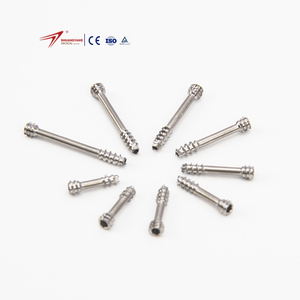
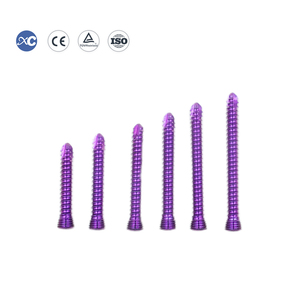
Modern orthopedic surgery demands strict mechanical compliance and bio-inertness. OEM/ODM manufacturing of trauma plates, cannulated screws, and spinal rods relies heavily on titanium alloys like Ti-6Al-4V ELI (ASTM F136) and commercially pure titanium (ASTM F67 Grade 1-4). These materials provide high strength-to-weight ratios, excellent fatigue endurance, and MRI conditional safety. For spinal fusion cages, radiolucent PEEK-OPTIMA (Polyetheretherketone) is increasingly specified due to its modulus of elasticity closely matching human cancellous bone, preventing stress shielding while facilitating post-operative radiographic fusion assessment.
2. Precision Swiss CNC & Surface Finishing
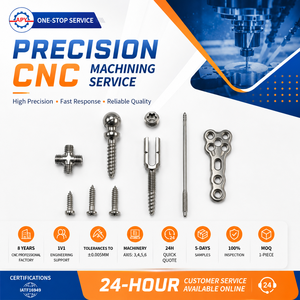
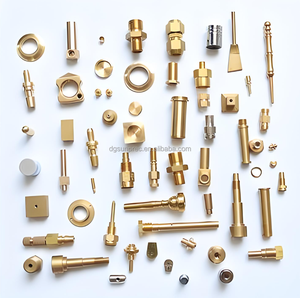
Contract manufacturing of trauma locking compression plates (LCP) and variable-angle pedicle screws requires multi-axis Swiss CNC turning and high-speed milling. Thread accuracy is crucial: pitch tolerances must be controlled to micron levels to ensure smooth surgeon tactile feedback during insertion while maximizing pull-out strength in osteoporotic bone. Advanced post-processing steps include electrochemical deburring, Type II/III anodization for vibrant color-coding across drill/plate sizes, micro-bead blasting for uniform surface roughness, and automated laser marking for clear UDI (Unique Device Identification) compliance.
3. Modular Surgical Instrumentation Integration
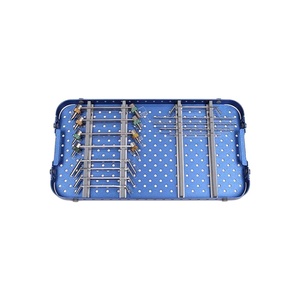
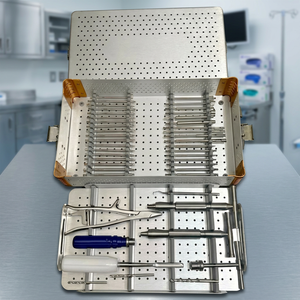
An implant is only as successful as the instrument set used to place it. Leading B2B buyers mandate that OEM factories deliver fully matched surgical kits alongside hardware. These kits contain custom drill bits, tissue protectors, tap shafts, depth gauges, torque-limiting screwdrivers, and anodized aluminum sterilization trays. Standardized quick-coupling mechanisms (AO ratchet connections) reduce intra-operative delays and lower the learning curve for surgical teams worldwide.
Orthopedic Biomaterial Biomechanical Specifications
Comparison of mechanical properties, imaging artifact characteristics, and clinical indications for contract manufacturing selection.
| Biomaterial Standard | Tensile Strength (MPa) | Elastic Modulus (GPa) | Radiolucency & MRI Artifact | Primary Indications |
|---|---|---|---|---|
| Ti-6Al-4V ELI (ASTM F136) | 860 - 960 | 110 - 114 | Moderate Artifact / MRI Safe | Locking plates, Herbert screws, pedicle screws, intramedullary nails |
| CP Titanium (ASTM F67) | 240 - 550 | 100 - 105 | Low Artifact / Excellent Safety | Maxillofacial miniplates, sternal reconstruction, craniomaxillofacial grids |
| PEEK-OPTIMA (Medical Grade) | 90 - 100 | 3.5 - 4.0 (Near Bone) | Fully Radiolucent / Zero Artifact | Interbody fusion cages (TLIF, PLIF, ALIF, Cervical), expandable spacers |
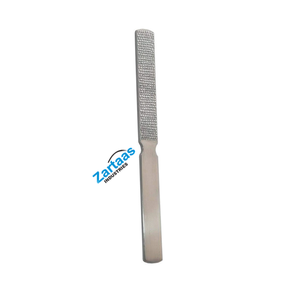
| Stainless Steel 316L (ASTM F138) | 490 - 1350 | 190 - 200 | High Artifact Distortion | Class I raspatories, bone files, drill sleeves, emergency trauma pins |
Future Directions in Orthopedic OEM Sourcing (2025–2030)
Key structural shifts reshaping global orthopedic implant procurement, contract manufacturing hubs, and regulatory compliance.
Additive Manufacturing & Porous Titanium Scaffolds
The global shift toward 3D-printed selective laser melting (SLM) enables the production of porous trabecular titanium structures. These porous scaffolds mimic human cancellous architecture, stimulating rapid osteointegration and osseous inward growth directly on joint replacement components and interbody cages, reducing reliance on surface coatings.
Global Regulatory Harmonization (EU MDR & FDA 510k)
Distributors buying orthopedic implants online now prioritize contract manufacturers capable of providing complete Technical Documentation Packs. This includes ISO 13485:2016 audit reports, biocompatibility test data per ISO 10993, cleaning validation reports, and dynamic fatigue testing records (ASTM F382 / ASTM F543) required for fast-track local registration.
OEM/ODM Customization & Supply Chain Agility
Modern medical brands require agile OEM/ODM partners capable of transitioning rapidly from CAD prototype modeling to short-run production. Supply chain resilience—achieved through stable raw material stock buffering (titanium bars and PEEK blocks) and multi-axis Swiss CNC automated cells—ensures guaranteed lead times despite global logistics volatility.
Orthopedic OEM/ODM Sourcing & Manufacturing FAQ
Direct technical answers for medical device distributors, procurement officers, and private-label brand owners.
Partner with a Leading Orthopedic Implant Factory
Expand your product catalog with precision-machined titanium trauma systems, PEEK spine solutions, and dedicated surgical instrumentation. Speak directly with our B2B export engineering team today.