Executive Sourcing Overview: The Evolution of Chinese Orthopedic Manufacturing
Decoding information gain, raw material traceability, and regulatory standards for international medical device buyers.
The global orthopedic device market is undergoing a seismic paradigm shift. Hospital procurement departments, regional medical distributors, and private-label OEM buyers are increasingly turning toward verified China wholesale orthopaedic implant manufacturers to bridge the gap between clinical efficacy and financial sustainability. Over the past decade, Chinese medical export manufacturing has evolved from simple low-cost component turning into high-precision, multi-axis micro-machining utilizing medical-grade titanium alloy (Ti-6Al-4V ELI) and polyetheretherketone (PEEK).
Navigating this ecosystem requires an acute understanding of semantic quality benchmarks. International buyers must evaluate manufacturers not merely on unit pricing, but on structural quality parameters: compliance with ISO 13485:2016 quality management systems, EU MDR 2017/745 technical dossiers, ASTM F136 / ASTM F67 raw material mill certificates, and automated optical dimensional inspection. This whitepaper serves as a definitive B2B procurement framework designed to empower hospital directors, surgical supply chain leaders, and medical exporters with actionable technical intelligence.
Featured Wholesale Orthopedic Implants & Systems
Explore our core product line manufactured to rigorous ISO/CE standards for global orthopedic, trauma, spine, and dental applications.
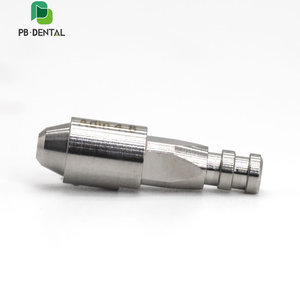
Multi 3D Analog Adin Compatible Implant Digital Library for Multi Unit Prosthetic Restoration and CAD Development
Precision-engineered titanium digital 3D analogs for CAD/CAM restoration master models. Tolerances kept within ±0.005mm for exact platform alignment.
Inquire Now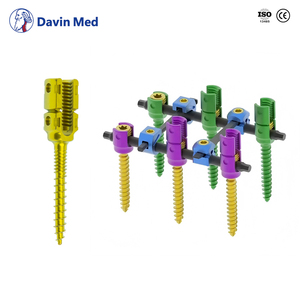
Titanium Alloy Monoaxial Pedicle Screw Spinal Fixation System Spine Implants For Orthopedic Surgery PLIF Spinal Implant System
Machined from Ti-6Al-4V ELI (ASTM F136). Optimized dual-lead thread profile maximizes pull-out strength in thoracolumbar pedicle fixation.
Inquire Now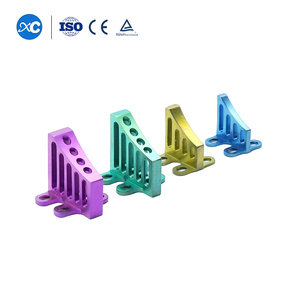
Orthopedic Veterinary Trauma Implant TTA System Surgical Instrument & Interventional Materials Veterinary Instrument
Complete Tibial Tuberosity Advancement (TTA) system for canine CCLR repair. Includes titanium cage spacers, tension plates, and sterilizable tooling sets.
Inquire Now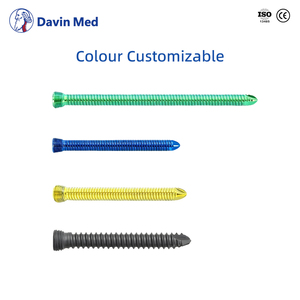
Davin Med Titanium Locking Screw 1.5/2.0/2.4/2.7/3.5/5.0mm Bone Screw Orthopedic Implant CE ISO Manufacturer In China
Full spectrum self-tapping titanium locking screws. Features StarDrive recess to eliminate cam-out and color-anodized surface coding for fast identification.
Inquire Now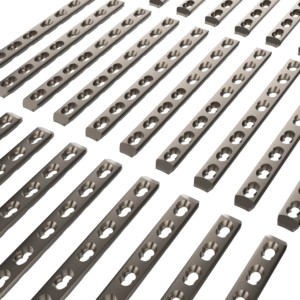
CANWELL 4.5mm Locking Compression Plate Narrow Humerus Femur Tibia Fixation Orthopedic Implant Manufacturer CE ISO OEM Supplier
Anatomically contoured 4.5mm narrow LCP plate with dynamic combination holes. Ideal for rigid internal fixation of humerus, femur, and tibia diaphyseal fractures.
Inquire Now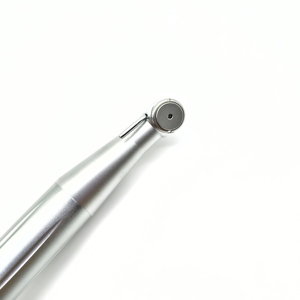
Medical Devices Supplies Dental Care Kits Orthocare Medical Dental Implant Contra Angle Handpiece with LED Light
20:1 reduction dental implant handpiece featuring internal fiber-optic LED illumination and German ceramic bearings for ultra-smooth torque transmission during osteotomy.
Inquire Now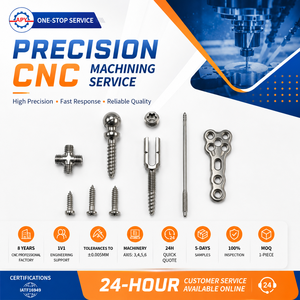
Precision CNC Machined Orthopedic Implants Titanium Bone Screws Spinal Fixation Parts OEM Custom Medical Components Manufacturer
Custom contract manufacturing utilizing 9-axis Swiss CNC lathes. Specialized in micro-threaded bone screws, spinal rods, and custom implantable components.
Inquire Now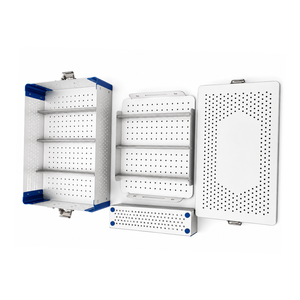
Complete Ariston International AI-DHS Box Medium Orthopedic Implant Instrument Storage Sterilization Box CE Certified Surgical
Anodized aluminum alloy sterilization box fitted with silicone organizers for Dynamic Hip Screw (DHS) sets. Engineered to endure repeated 134°C autoclave cycles.
Inquire NowFuture Procurement Trends in Global Orthopedic Sourcing (2025–2035)
Strategic foresight for hospital supply chains, OEM distributors, and international B2B importers.
1. Shift Toward Additive & Hybrid Manufacturing
Traditional CNC milling is increasingly coupled with Electron Beam Melting (EBM) and Direct Metal Laser Sintering (DMLS). This enables Chinese exporters to produce highly porous trabecular titanium surfaces that accelerate osseointegration in interbody spinal fusion and acetabular cups.
2. Radiolucent PEEK Polymer Dominance
In spinal orthopedics, non-metallic polymers such as radiolucent PEEK (Polyetheretherketone) reinforced with tantalum or barium sulfate markers allow artifact-free post-operative CT and MRI visualization. Leading exporters now maintain dedicated cleanroom polymer injection molding lines.
3. Stringent Regulatory Harmonization (EU MDR)
The era of unverified commodity export is over. Top-tier Chinese manufacturers now deliver comprehensive Technical Dossiers containing Clinical Evaluation Reports (CER), Biocompatibility Testing (ISO 10993), and Validated Cleaning/Sterilization Studies required by European notified bodies.
4. Anatomical Contouring & Variable-Angle Locking
Modern trauma surgery demands pre-contoured bone plates that minimize intraoperative bending. Next-generation Chinese locking compression plate (LCP) systems incorporate polyaxial variable-angle locking holes allowing up to 15° screw angulation for complex articular fractures.
5. Agile OEM Private-Label Packaging & UDI Compliance
Distributors are leveraging turnkey contract manufacturing services that include laser-etched Unique Device Identification (UDI) matrix codes, custom sterile barrier pouch sealing, and brand-specific surgical instrument kit box customization.
6. Unit Economics & Supply Chain Resilience
By consolidating raw titanium purchasing, automated multi-spindle machining, and in-house Type II electrochemical anodization, Chinese wholesale exporters offer 40% to 60% cost reductions compared to Western legacy brands without compromising biomechanical safety.
Biomechanical Metallurgy & Technical Material Comparison
An engineering evaluation of raw materials utilized in high-grade orthopedic implants.
Choosing the appropriate material substrate is paramount to surgical longevity, fatigue resistance, and osteocompatibility. Modern orthopedic trauma plates, spinal hardware, and maxillofacial systems rely heavily on specific titanium grades and high-performance thermoplastics. Below is a comparative technical matrix mapping physical properties against clinical indications:
| Material Standard | Elastic Modulus (GPa) | Tensile Strength (MPa) | Biocompatibility & MRI Safety | Primary Clinical Application |
|---|---|---|---|---|
| Ti-6Al-4V ELI (ASTM F136) | 110 - 114 GPa | ≥ 860 MPa | Exceptional / MRI Conditional | Pedicle Screws, Trauma Locking Plates, Intramedullary Nails |
| CP Titanium Grade 4 (ASTM F67) | 104 - 105 GPa | ≥ 550 MPa | Outstanding / MRI Conditional | Maxillofacial Mini Plates, Cranial Reconstruction, Dental Abutments |
| PEEK Optima (ASTM F2026) | 3.5 - 4.0 GPa | ≥ 90 MPa | Radiolucent / Artifact-Free MRI | TLIF/PLIF/ACDF Interbody Fusion Cages, Craniofacial Implants |
| 316L Stainless Steel (ASTM F138) | 190 - 200 GPa | ≥ 860 MPa | Good / Potential MRI Artifacts | Economic Trauma Wiring, External Fixators, Temporary Pins |
Enterprise Edge: Manufacturing Ecosystem & Quality Audit Guide
How leading Chinese exporters maintain zero-defect standards across global supply lines.
Distributors and procurement managers auditing a China wholesale orthopaedic implant manufacturer must evaluate four critical pillars of quality assurance:
Phase 1: Raw Material Validation & Spectrometry
Every batch of titanium bar stock undergoes inductively coupled plasma optical emission spectrometry (ICP-OES) to verify interstitial element limits (Hydrogen ≤ 0.0125%, Oxygen ≤ 0.13%, Iron ≤ 0.25%). Mill test reports are bound to unique lot numbers for 100% downstream traceability.
Phase 2: Multi-Axis CNC Micro-Machining
Utilizing Japanese Citizen and Swiss Star multi-spindle CNC turning centers, critical features such as variable-angle locking threads and bone screw helical flutes are machined in a single setup to eliminate concentricity errors and thread pitch binding.
Phase 3: Surface Passivation & Type II Anodization
Surface finishing protocols comply strictly with ASTM F86 standards. Controlled electrochemical anodization produces consistent color-coded oxidation layers (gold, blue, magenta, green) that enhance corrosion resistance and streamline intraoperative screw size selection for surgical teams.
Phase 4: ISO Class 7 Cleanroom & Packaging
Final bioburden washing occurs in automated ultrasonic multi-stage tanks using deionized water. Packaging takes place within certified ISO Class 7 cleanrooms, sealing products into double Tyvek-peel pouches ready for ETO (Ethylene Oxide) or Gamma irradiation sterilization.
Frequently Asked Questions for International B2B Buyers
Addressing key regulatory, operational, and commercial queries for medical implant importers.
Q1: What regulatory documentation do Chinese orthopaedic exporters provide for local product registration?
Reputable manufacturers provide complete regulatory technical dossiers including ISO 13485:2016 certificates, CE Mark conformity documentation under EU MDR 2017/745, Certificate of Free Sale (CFS), ASTM material mill test reports, mechanical fatigue testing reports (ASTM F382 / ASTM F543), bioburden validation, Instructions for Use (IFU), and draft UDI labeling files.
Q2: How do manufacturers prevent thread stripping and cold welding (galling) between locking screws and plates?
Thread galling is prevented through precise pitch matching and surface anodization. Screws are machined with micro-tapered thread profiles and undergone specialized Type II electrochemical anodization, which hardens the titanium oxide layer and lowers the friction coefficient during power-driven surgical insertion.
Q3: Can overseas distributors request customized surgical instrument trays and private labeling?
Yes. OEM and ODM services include customized laser engraving for company logos, lot numbers, and catalog codes directly on titanium plates and screws. Surgical instrument trays can be tailored with custom silicone grommets, CNC-milled aluminum inserts, and customized graphic layouts to match distributor brand guidelines.
Q4: What is the minimum order quantity (MOQ) for wholesale titanium bone plate and screw production?
MOQ specifications vary by product line. Standard catalog items such as locking screws and universal trauma plates typically have low minimum requirements (50–100 units per size), while custom OEM implants requiring specialized tooling setups may carry an initial production batch requirement of 300 to 500 units.
Q5: What are the standard lead times for bulk production and international shipping?
Standard catalog inventory orders ship within 7 to 14 business days. Bulk contract manufacturing orders requiring custom anodization or special lengths typically require 30 to 45 calendar days. Shipments are dispatched via international express air freight (DHL/FedEx/UPS) or temperature-controlled air cargo with full tracking and export customs declaration clearance.
Q6: How are PEEK interbody fusion cages tested for structural fatigue and long-term durability?
PEEK cages undergo rigorous mechanical testing per ASTM F2077 (static and dynamic compression-shear testing) and ASTM F2267 (subsidence testing under axial loading). Implants are subjected to 5 million dynamic load cycles to verify resistance to fatigue failure prior to clinical market release.
Partner with China's Premier Orthopedic Implant Manufacturing Exporter
Request technical specification catalogs, material certificates, OEM pricing structures, and sample evaluation kits for your regional market today.