Featured Medical Device & Orthopedic Implant Systems
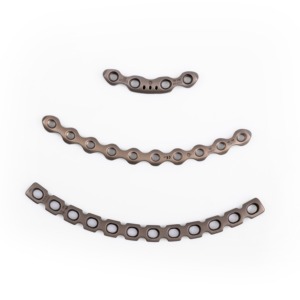
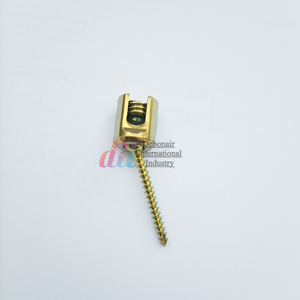
Explore our precision-machined orthopedic solutions engineered from medical-grade titanium (Ti-6Al-4V ELI) and PEEK-OPTIMA. Supplied with complete lot traceability and surgical instrument compatibility.
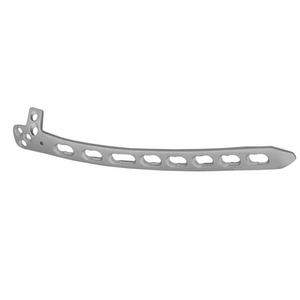
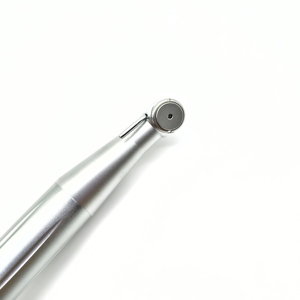
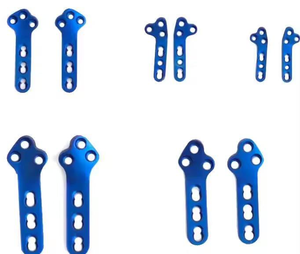
Executive Sourcing Guide: China Medical Device Registration & Orthopedic Manufacturing
The global orthopedic implant market demands an uncompromising synthesis of metallurgical purity, micron-level machining precision, and rigorous regulatory compliance. As international medical device distributors, hospital procurement networks, and private-label OEM brand owners navigate the evolving regulatory landscape, selecting a qualified manufacturing partner in China has shifted from basic cost optimization to strategic risk mitigation and technical co-development.
At Orthovana Medical Co., Ltd., engineering operations are structured around clinical indications spanning trauma internal fixation, complex spinal reconstruction, craniomaxillofacial (CMF) plating, and specialized veterinary osteosynthesis. Every implant system—from anatomical locking compression plates (LCP) to expandable lumbar PEEK cages—is manufactured in accordance with strict ASTM and ISO raw material standards.
Biomaterial Engineering Standards: Titanium Alloys vs. Implant-Grade PEEK
Material bio-functionality determines long-term fatigue strength, osseointegration rates, and postoperative imaging performance. Chinese orthopedic factories leverage advanced raw material stock certified directly via Mill Test Certificates (MTC) matching international medical monographs:
| Biomaterial Standard | Composition / Grade | Tensile Strength (MPa) | Elastic Modulus (GPa) | Primary Surgical Application |
|---|---|---|---|---|
| ASTM F136 / ISO 5832-3 | Ti-6Al-4V ELI (Extra Low Interstitial) | ≥ 860 MPa | 110 GPa | Locking trauma plates, pedicle screws, intramedullary nails |
| ASTM F67 / ISO 5832-2 | Commercially Pure Titanium (Grades 1-4) | 240 – 550 MPa | 105 GPa | Maxillofacial mini-plates, cranial reconstruction meshes |
| ASTM F2026 | Polyetheretherketone (PEEK-OPTIMA) | 90 – 100 MPa | 3.5 – 4.0 GPa | TLIF/PLIF spinal cages, cervical interbody spacers |
| ASTM F138 / ISO 5832-1 | 316L Implant Stainless Steel | ≥ 860 MPa | 190 GPa | Temporary trauma fixation, veterinary osteosynthesis plates |
China Medical Device Registration & Global Compliance Framework
For international distributors acquiring registered medical devices manufactured in China, understanding the NMPA framework is paramount. China classifies medical devices into three distinct risk tiers: Class I (low risk, catalog filing), Class II (medium risk, provincial NMPA evaluation), and Class III (high risk, structural implants, national NMPA evaluation).
Orthopedic implants—including spinal pedicle screws, joint prostheses, and trauma compression plates—fall under Class III Medical Device regulations in China. Partnering with an established factory guarantees access to complete technical dossiers required for local market authorization across South America, Southeast Asia, the Middle East, and Eastern Europe.
Technical Documentation File (TDF)
Full technical files detailing CAD design validations, stress analysis (FEA), raw material certificates, and manufacturing process routing for seamless regulatory submissions.
ISO 10993 Biocompatibility
Comprehensive biological evaluations covering cytotoxicity, systemic toxicity, hemocompatibility, sensitization, and genotoxicity per international laboratory protocols.
Mechanical Testing Compliance
Dynamic and static fatigue testing according to ASTM F382 (bone plates), ASTM F543 (medical bone screws), ISO 14801 (dental fixtures), and ASTM F2077 (spinal cages).
Technological & Industry Development Trends in Orthopedic Sourcing
The medical device landscape is undergoing a paradigm shift driven by digital manufacturing, surface modification technologies, and personalized surgical solutions. Chinese orthopedic factories are at the forefront of this industrial transformation, investing heavily in state-of-the-art infrastructure.
1. Precision 5-Axis CNC Machining & Swiss-Type Turning
Traditional 3-axis machining is rapidly being replaced by multi-axis Swiss-type automatic CNC lathes (such as Citizen and Star equipment). This enables single-setup machining of complex geometries, such as variable-angle locking threads and double-lead self-tapping screw tips, eliminating positional errors and ensuring geometric tolerances within ±0.005mm.
2. Advanced Surface Treatments: Type II Anodization & MAO Coatings
Surface engineering plays a vital role in implant longevity. Type II titanium anodization enhances fatigue resistance and minimizes micro-fretting corrosion between bone plates and locking screws. Furthermore, Micro-Arc Oxidation (MAO) and Plasma-Sprayed Hydroxyapatite (HA) coatings create bioactive surfaces that promote rapid osteoblast attachment and osteointegration.
3. Additive Manufacturing & Trabecular Titanium Scaffolds
Direct Metal Laser Sintering (DMLS) and Electron Beam Melting (EBM) 3D-printing technologies facilitate the production of biomimetic porous titanium structures. These porous scaffolds feature interconnected pore sizes (300–600 μm) that closely match human cancellous bone, significantly lowering the elastic modulus to prevent stress shielding in spinal and joint reconstruction.
Future Purchasing & Sourcing Trends (2025–2035)
Procurement directors must adapt to shifting global supply chain dynamics. Key macro-trends shaping B2B orthopedic sourcing over the next decade include:
- Consolidation of Modular Instrument Sets: Hospitals prefer single-box sterile solutions where surgical trays match universal screw diameters, minimizing operating theatre downtime and sterilization logistics.
- Growth of Veterinary Orthopedics: The demand for animal health solutions (TPLO plates, veterinary pedicle screw systems) is expanding rapidly, offering high-margin opportunities for human device distributors diversification.
- Direct OEM/ODM Private-Label Contracting: B2B buyers are moving away from traditional brand reselling toward custom OEM manufacturing. Factory partners offer laser marking, custom anodization colors, and white-label packaging.
- Supply Chain Resilience & Buffer Stocking: To counteract geopolitical friction, top Chinese suppliers establish regional consignment hubs and maintain raw material reserves (titanium bar stock) for fast delivery cycles.
Enterprise Advantages: Why Partner with Orthovana Medical
As a leading specialized manufacturer of orthopedic trauma, spine, and CMF fixation systems, Orthovana Medical Co., Ltd. integrates raw material inspection, precision manufacturing, cleanroom packaging, and regulatory documentation under one unified quality management umbrella.
Class 100,000 Cleanroom Packaging
Cleanrooms conforming to ISO Class 7 standards ensure low bioburden levels prior to ethylene oxide (EO) or Gamma irradiation sterilization. Blister packaging utilizes Tyvec lids for maximum shelf-life integrity.
Complete Instrument Compatibility
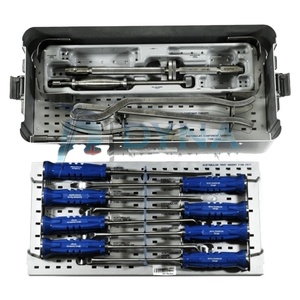
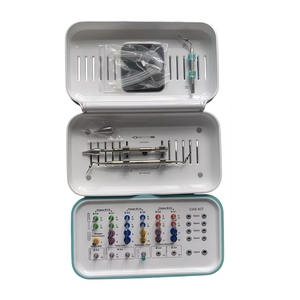
Every plating, spinal, or intramedullary system is supplied alongside matching surgical instrument sets (drill bits, depth gauges, torque-limiting screwdrivers) packaged in anodized sterilization cases.
End-to-End Batch Traceability
From ingot heat numbers to raw bar turning, surface treatment, final CMM inspection, and box sealing—each product lot maintains 100% digital traceability per ISO 13485 audit guidelines.
Frequently Asked Questions (FAQ) for B2B Buyers
Contact our medical export engineering team today to request complete product catalogues, technical specification sheets, factory audit reports, and OEM pricing structures.
Send an Inquiry