Featured Implant Sterilization Containers & Systems
Engineered from aircraft-grade aluminum alloy and 316L stainless steel, designed for maximum steam penetration and sterile barrier protection.
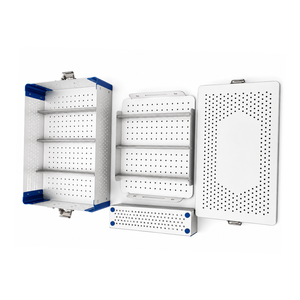
Complete Ariston International AI-DHS Box Medium Orthopedic Implant Instrument Storage Sterilization Box CE Certified Surgical
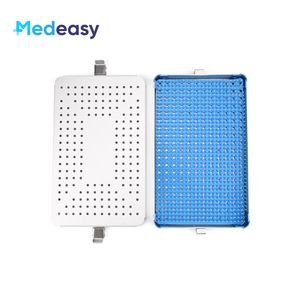
Medeasy Cheap Orthopedic Dental Implant Instruments Sterilization Box Aluminum Autoclavable Disinfection Tray
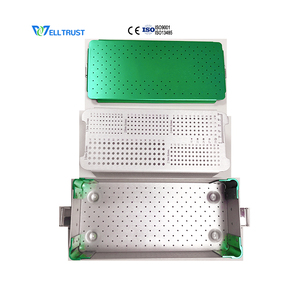
Veterinary Orthopedic Surgical Instruments Surgery Aluminum 1.5/2.0/2.4/2.7/3.5 Implant Screw Sterilization Box
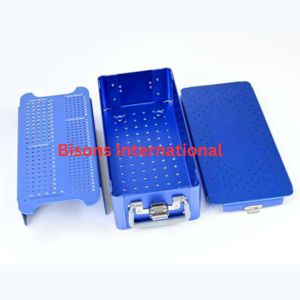
BISONS High Quality CE Certified Class I Orthopedic Implant Screw Sterilization Box Stainless Steel Surgical Instrument Manual
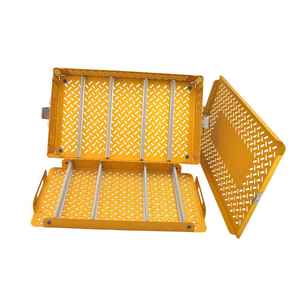
Stainless Steel Surgical Instruments Sterilization Box for Orthopaedic Implant and Cortical Screw Manual
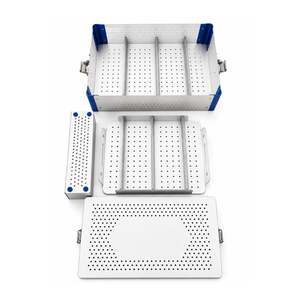
Ariston International AI-DHS Box Medium-01 Orthopedic Implant Sterilization Instrument Case CE Certified ISO13485 Compliant
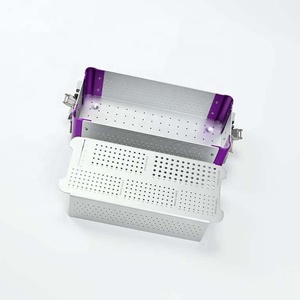
Veterinary Orthopedic Surgical Instruments Set Sterilization Box 1.5/2.0/2.4/2.7/3.5 Implant Screw Case
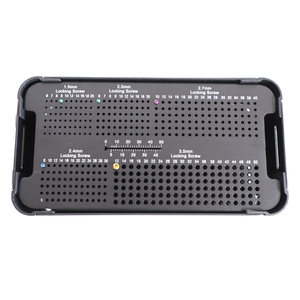
Orthopedic Veterinary Implant Plates Locking Screw Sterilization Box
Orthopedic Implant Sterilization Validation Framework: Technical Guidelines for Global Procurement
In the manufacture of implantable medical devices—including titanium locking compression plates, pedicle screw systems, PEEK interbody fusion cages, and maxillofacial fixation systems—sterilization validation is not merely a final regulatory checkbox; it is a critical engineering discipline that directly impacts patient outcome and clinical safety. Leading Chinese OEM manufacturers have evolved from basic contract assembly into sophisticated technical partners capable of executing comprehensive sterilization validation protocols compliant with international standards, including ISO 11135 (Ethylene Oxide), ISO 11137 (Radiation Sterilization), ISO 17665 (Moist Heat Sterilization), and ISO 19227 (Cleanliness of Orthopedic Implants).
01. Core Sterilization Validation Methodologies & ISO Regulatory Mapping
Achieving a Sterility Assurance Level (SAL) of 10⁻⁶—meaning a probability of no more than one viable microorganism per one million sterilized units—requires rigorous process design, microbiological testing, and equipment calibration. Depending on the substrate material properties (e.g., Ti-6Al-4V ELI vs. PEEK vs. UHMWPE), distinct validation pathways must be established by the manufacturer:
| Sterilization Method | Governing Standard | Target Implant Substrates | Key Validation Parameters | Critical Quality Control Metrics |
|---|---|---|---|---|
| Ethylene Oxide (EO) Gas | ISO 11135 / ISO 10993-7 | Complex assemblies, electronic instruments, PEEK components | EO concentration, relative humidity (40-80%), temperature (45-60°C), aeration time | EO and Ethylene Chlorohydrin (ECH) residual toxicity limits via GC analysis |
| Gamma / E-Beam Radiation | ISO 11137-1/2/3 | Pre-packaged titanium plates, cannulated screws, single-use implants | Dose mapping (kGy), bioburden verification, VDmax25 / Method 1 validation | Material degradation, polymer chain-scission prevention, color stability |
| Moist Heat (Autoclave) | ISO 17665-1 | Surgical instrument sets, reusable titanium/aluminum trays, external fixators | Steam quality (non-condensable gases <3.5%), 121°C/134°C dwell time, thermal mapping | Air removal efficiency (Bowie-Dick test), condensate limits, dry time optimization |
02. Bioburden Quantification, Spore Strips, and Overkill Validation Protocols
The cornerstone of sterilization validation in top-tier Chinese manufacturing facilities relies on the Overkill Validation Approach. Under this methodology, the sterilization process is demonstrated to deliver a minimum 12-log reduction of high-resistance challenge microorganisms (e.g., Geobacillus stearothermophilus spores for steam/VHP, or Bacillus atrophaeus spores for Ethylene Oxide).
- Bioburden Baseline Determination (ISO 11737-1): Routine testing of production line samples to quantify the baseline microbial load (CFU count) prior to terminal packaging, establishing recovery efficiency factors.
- D-Value Verification: Determination of the decimal reduction time (the time required to reduce the microbial population by 90% under specific exposure conditions) to ensure challenge biological indicators exceed natural bioburden resistance.
- Bacterial Endotoxin Testing (USP <85> / LAL Test): Quantifying pyrogen levels on implants. Leading implants are certified to stay below 20 Endotoxin Units (EU) per device, with cranial and spinal implants maintained below 2.15 EU/device.
03. Sterile Barrier System Integrity & Packaging Validation (ISO 11607-1/2)
A validated sterilization cycle is ineffective if the sterile barrier system fails during transport or storage. Complete validation protocols conducted by audited Chinese manufacturing partners integrate rigorous packaging stress tests:
- Accelerated & Real-Time Shelf-Life Aging (ASTM F1980): Testing Tyvek® pouches and rigid barrier trays at elevated temperatures (e.g., 55°C) to validate 3-year and 5-year sterile shelf-life claims.
- Seal Integrity & Dye Penetration (ASTM F1929): Verifying heat-sealed edges against micro-channels and pinhole defects that could allow microbial ingress.
- Peel Strength Testing (ASTM F88): Measuring the mechanical force required to open pouches, ensuring a clean peel without tearing fibers that could contaminate the sterile surgical field.
- Transit Simulation Testing (ASTM D4169 / ISTA 3A): Exposing packed implants to drop, random vibration, atmospheric pressure change, and compression cycles to simulate global logistics distribution.
Future Procurement Trends in Medical Implant Sterilization Validation
How evolving international regulations and technological advancements are shaping the global market for orthopedic sterilization systems over the next decade.
1. Phasing Out EO for Low-Temp VHP & scCO₂
With US EPA regulations and EU REACH restricting carcinogenic Ethylene Oxide emissions, global procurement teams are shifting toward Vaporized Hydrogen Peroxide (VHP) and Supercritical Carbon Dioxide (scCO₂) validation pathways that offer zero toxic residue and ultra-fast turnarounds.
2. RFID & Smart Sterilization Trays
Autoclave container systems are incorporating high-temperature RFID chips and wireless pressure/temperature dataloggers. This enables real-time cycle tracking, automated digital validation logging, and full traceability directly linked to hospital EHR systems.
3. EU MDR & FDA Audit-Ready Dossiers
Procurement directors are prioritizing China manufacturers that supply complete, turnkey Technical Documentation (TD) packages—including validated D-values, extractable/leachable reports, and ISO 11607 protocols—to expedite CE MDR (2017/745) submissions.
4. Reusable Rigid Barrier Systems (BS En 868)
Hospitals are eliminating single-use blue wrap in favor of durable, anodized aluminum sterilization containers equipped with PTFE or microfiber permanent filters. This reduces clinical waste while ensuring long-term sterile maintenance across 500+ autoclave cycles.
5. Accelerated Parametric Release Workflows
Rather than waiting 7 to 14 days for biological indicator incubation, advanced validation protocols leverage validated parametric release based on strict physical sensor data (temperature, pressure, gas concentration), dramatically shrinking lead times.
6. Integrated OEM Packaging & Cleanroom Assembly
The market is shifting toward full-service OEM contract partners who handle everything from CNC machining and surface anodization to ISO Class 7 cleanroom packaging and double-pouch sterile barrier sealing under a single QMS.
Technological Innovations in Chinese Sterilization Container & Implant Manufacturing
China's medical device industry has undergone a technological revolution. Leading manufacturers in Changzhou, Suzhou, and Shenzhen have invested heavily in state-of-the-art multi-axis CNC machining, automated cleanroom wash lines, and specialized surface modification technologies designed specifically to withstand harsh clinical sterilization regimes.
1. Advanced Hard Anodizing (Type III) & Micro-Arc Oxidation (MAO)
Sterilization trays and instrument caddies are subjected to intense hydrothermal stress, alkaline detergents, and high-pressure steam at 134°C. Standard anodizing thin-films degrade rapidly, leading to pitting corrosion and color fading. Advanced Chinese manufacturers employ Hard Anodizing (MIL-A-8625 Type III) and Micro-Arc Oxidation (MAO), producing ceramic-like dielectric oxide layers (40–60 µm thickness). This technology ensures vibrant color coding (gold, blue, green, magenta) remains visible even after 500+ autoclave disinfection cycles without chemical leaching.
2. 5-Axis CNC Laser Micro-Perforation for Optimized Convection Dynamics
Steam condensate pooling inside sterilization trays is a major failure mode during hospital Bowie-Dick and dry cycle evaluations. Utilizing precision 5-axis laser cutting equipment, manufacturers engineer optimized hole patterns and micro-channel drainage paths in sterilization boxes. This maximizes steam penetration velocities during the vacuum phase while ensuring rapid evaporation during the drying phase, preventing wet packs.
3. Medical Grade Silicone Insert Molding for Secure Fixing
To protect fragile orthopedic implants (such as variable-angle locking screws, micro-plates, and delicate spinal tap drills), modern sterilization trays feature custom-molded medical-grade silicone brackets (autoclavable up to 150°C). These silicone components are formulated to resist steam degradation, preventing discoloration or embrittlement while firmly holding surgical tools in place during transportation and ultrasonic cleaning.
Why Global Medical Buyers Partner with Our Manufacturing Facility
Combining material science precision, validated sterilization processes, and comprehensive regulatory support for international healthcare brands.
ASTM F136 Titanium & PEEK Precision
All implants are machined exclusively from certified medical-grade titanium alloy (Ti-6Al-4V ELI) and implant-grade PEEK polymer (ASTM F2026), supported by complete heat-number mill test reports.
ISO 13485 Certified QMS & Cleanroom
Our ISO 13485 accredited quality management system operates ISO Class 7 cleanrooms equipped with automated ultrasonic washing, vision-inspection systems, and zero-defect batch tracking.
Turnkey Dossiers for Registration
We provide international distributors with complete registration support packages: ISO 11135/11137 validation reports, ISO 10993 biocompatibility data, IFU manuals, and CE/FDA draft submissions.
Complete Modular Surgical Kits
Beyond standalone trays, we deliver fully integrated surgical kits: matching implants, cannulated drills, depth gauges, torque limiters, and sterilizable storage containers ready for surgery.
Flexible OEM / ODM Customization
From custom tray layouts and laser-etched branding to specific color anodization and proprietary screw holder configurations, our engineering team turns your specifications into reality.
Reliable Global Supply Chain Lead Times
Strategic raw material buffer stocks and automated CNC production scheduling protect international distributors against stock-outs and delivery delays on high-demand trauma lines.
Frequently Asked Questions (FAQ)
Common inquiries from medical device distributors, procurement officers, and OEM brand partners regarding sterilization validation and container sourcing.
What sterilization standards do your orthopedic implant sterilization trays and cases comply with?
What documents are provided to support our local product registration and hospital tenders?
How do you validate the Sterility Assurance Level (SAL 10⁻⁶) for OEM pre-packaged sterile implants?
What materials are used in your sterilization containers, and how do they resist chemical corrosion?
Can you customize tray layouts, screw holder dimensions, and laser logo etching for OEM orders?
What is the typical shelf-life validation period for your pre-packaged sterile titanium implants?
How do your container designs prevent "wet pack" phenomena after steam sterilization?
What residual testing is conducted to verify cleanliness under ISO 19227?
What is the minimum order quantity (MOQ) and production lead time for custom sterilization trays?
How can international buyers request sample kits or initiate a manufacturing audit?
Partner with China's Premier Orthopedic Implant & Sterilization Validation Manufacturer
Expand your medical device portfolio with ISO 13485 certified implants, autoclavable instrument trays, and complete ISO 11135/11137 sterilization validation documentation.